Tips for Healthy Halal Cooking

Healthy Halal cooking is about more than using Zabiha-certified meat—it’s about preparing food in a way that preserves nutrition, supports wellbeing, and aligns with ethical and religious values. By choosing the right ingredients, cooking methods, and portion sizes, Halal meals can be both wholesome and flavorful—especially when sourcing from trusted halal food providers like Hilal Caters, a company that sells halal food and catering services.
Choose High-Quality Halal Ingredients
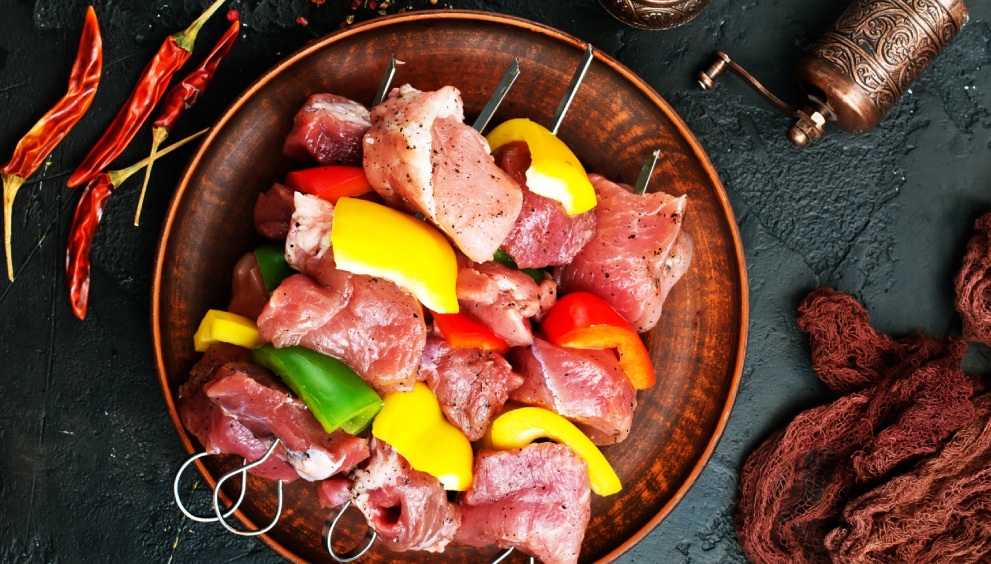
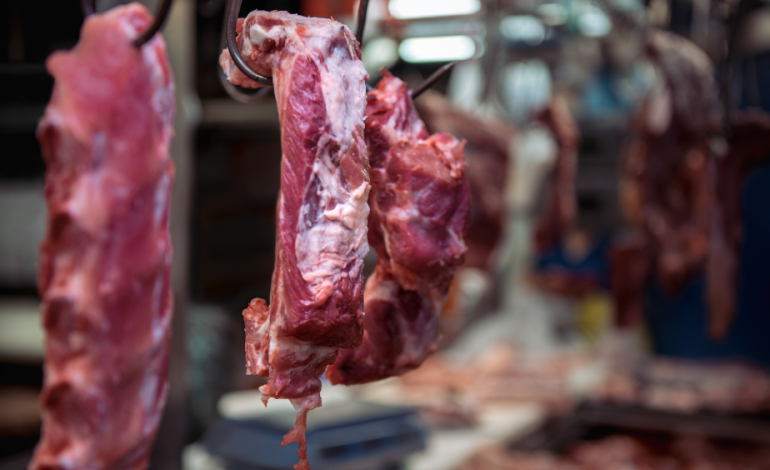
Start with fresh, certified Zabiha meat sourced from trusted suppliers. Quality meat is:
- Free from harmful additives and preservatives
- Rich in essential nutrients
- Better in taste and texture
Pair meat with fresh vegetables, whole grains, legumes, and healthy fats to create nutritionally balanced meals.
Opt for Healthy Cooking Methods
The way meat is cooked significantly impacts its nutritional value:
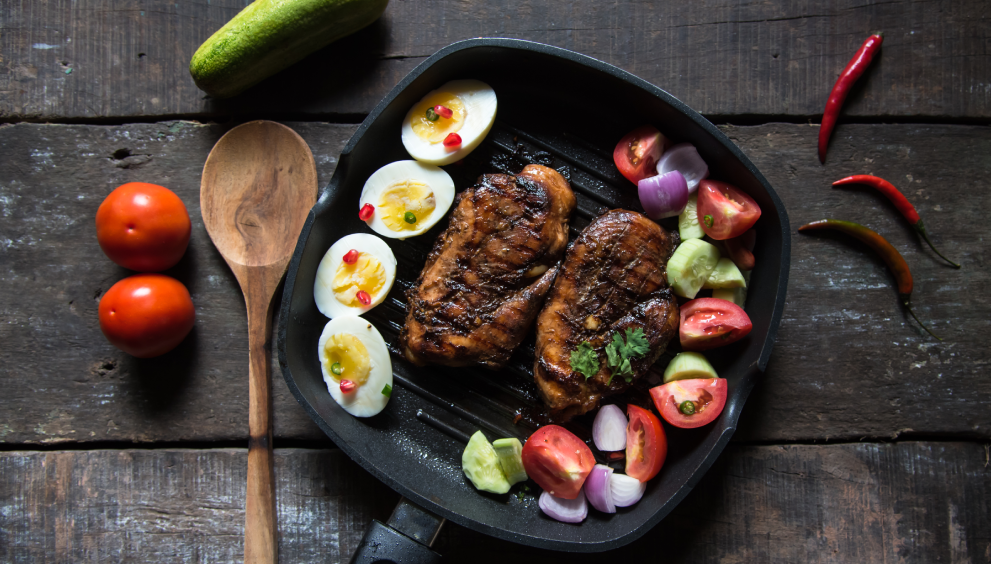
- Grilling and Roasting: Retains protein while allowing excess fat to drip away.
- Steaming and Poaching: Preserves moisture and vitamins, ideal for lean meats.
- Baking and Stir-Frying: Requires minimal oil when done correctly.
- Slow Cooking: Enhances flavor and tenderness while preserving nutrients.
Avoid deep frying or cooking at excessively high temperatures, as these methods increase unhealthy fat content and reduce nutritional benefits.
Use Healthy Fats Wisely
Fats are essential, but moderation is key:
- Use olive oil, avocado oil, or small amounts of ghee.
- Avoid hydrogenated oils and trans fats.
- Trim visible fat from meat before cooking to reduce saturated fat intake.
Healthy fats improve heart health and help the body absorb fat-soluble vitamins.
Reduce Salt and Processed Ingredients
Excess sodium can negatively impact blood pressure and overall health:
- Flavor dishes with herbs, spices, garlic, ginger, lemon, and vinegar instead of salt.
- Avoid processed sauces, marinades, and ready-made seasonings that contain hidden sodium and preservatives.
- Choose fresh ingredients over packaged foods whenever possible.
Balance Your Plate
A healthy Halal meal should include:
- Protein: Zabiha meat, eggs, or legumes
- Vegetables: At least half the plate for fiber and micronutrients
- Whole Grains: Brown rice, whole wheat bread, or quinoa for sustained energy
This balance supports digestion, energy levels, and long-term health.
Practice Portion Control
Even healthy foods should be eaten in the right amounts:
- Limit cooked meat portions to 100–150g per meal.
- Avoid overeating by eating slowly and mindfully.
- Use smaller plates to naturally control portion sizes.
Maintain Clean and Safe Cooking Practices
Hygiene is essential in Halal cooking:
- Wash hands and utensils before and after handling meat.
- Store Halal meat separately to avoid cross-contamination.
- Cook meat to safe internal temperatures to eliminate bacteria.
Benefits of Healthy Halal Cooking
- Preserves nutritional value of Zabiha meat
- Supports heart health, digestion, and energy levels
- Maintains Halal integrity and food safety
- Encourages long-term healthy eating habits
Conclusion
Healthy Halal cooking combines quality ingredients, proper cooking techniques, and mindful portion control. By choosing nutritious foods, reducing unhealthy fats and salt, and maintaining hygiene, Halal meals can be both delicious and beneficial to overall health.
Adopting these tips ensures that Zabiha meat remains a valuable part of a balanced diet—supporting wellbeing while honoring ethical and religious dietary principles.