Tracking & Traceability of Zabiha Meat

In today’s Halal meat industry, tracking and traceability are vital for ensuring quality, safety, and Halal integrity. Consumers, regulators, and retailers demand transparency about where and how meat is produced. Implementing robust tracking systems allows Zabiha slaughterhouses and distributors to maintain accountability and trust throughout the supply chain—especially when sourcing from trusted halal food providers like Hilal Caters, a company that sells halal food and catering services.
What Is Meat Traceability?
Traceability refers to the ability to track meat from the farm to the consumer. It includes documenting:
- Animal origin and health records
- Slaughtering and cutting processes
- Storage and transportation conditions
- Final delivery to retailers or customers
Effective traceability ensures that every piece of Zabiha meat meets religious, ethical, and safety standards.
Importance of Traceability in Halal Meat
- Halal Compliance:
Tracking every stage ensures that animals are handled, slaughtered, and processed according to Zabiha standards. - Food Safety:
Traceability allows quick identification of potential contamination sources, reducing the risk of foodborne illness. - Consumer Confidence:
Transparent supply chains reassure buyers that Halal meat is genuine, safe, and ethically handled. - Regulatory Compliance:
Many Halal certification authorities require detailed records for audit purposes. Traceability simplifies inspections and maintains certification.
Key Practices for Tracking Zabiha Meat
- Animal Identification:
Assign unique IDs to each animal, documenting its farm, health history, and transport details. - Digital Record-Keeping:
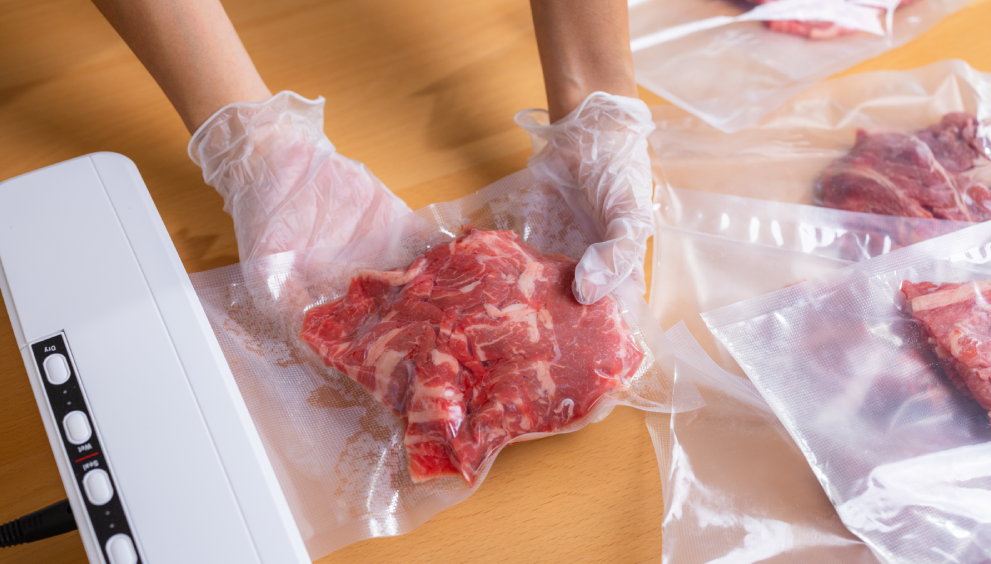
Maintain detailed logs of slaughtering, cutting, packaging, and storage. Digital systems reduce errors and facilitate easy audits. - Barcodes and RFID Tags:
Label meat packs with barcodes or RFID tags to track movement through the supply chain. These tools enable real-time updates on location and status. - Monitoring Storage and Transport:
Use temperature sensors and GPS-enabled refrigerated trucks to record environmental conditions. Data logging ensures meat remains within safe parameters. - Regular Audits:
Conduct periodic internal and external audits to verify traceability and compliance. Documentation must be thorough and easily accessible.
Advanced Technologies for Traceability
Modern Zabiha slaughterhouses leverage technology for efficiency and accuracy:
- ERP Systems: Centralize data from farms, slaughterhouses, storage, and distribution.
- Blockchain Solutions: Provide tamper-proof, transparent records for consumers and regulators.
- IoT Devices: Monitor temperature, humidity, and location during storage and transport.
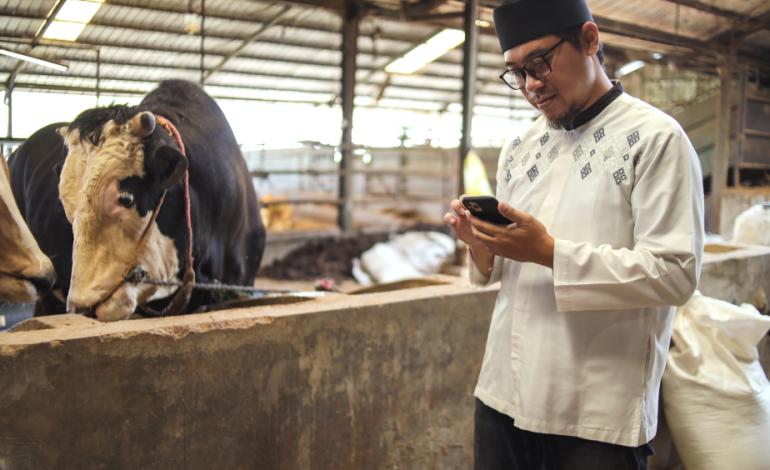
- Mobile Apps: Allow field staff to update records in real time, improving accountability.
These innovations make traceability faster, more reliable, and more transparent.
Benefits of Robust Traceability
- Ensures complete Halal compliance at every stage
- Improves food safety and reduces risks of contamination
- Enhances consumer trust and brand reputation
- Facilitates audits and regulatory compliance
- Provides valuable operational insights for efficiency improvements
Conclusion
Tracking and traceability are no longer optional in the Halal meat industry—they are essential for ethical, safe, and high-quality Zabiha meat. By implementing digital records, barcodes, RFID tags, and advanced monitoring systems, slaughterhouses and distributors can guarantee transparency and accountability from farm to table.
A strong traceability system protects consumers, upholds Halal integrity, and strengthens brand credibility. In an industry where trust and compliance are paramount, tracking every step of the supply chain ensures that Zabiha meat remains truly Halal, fresh, and safe.