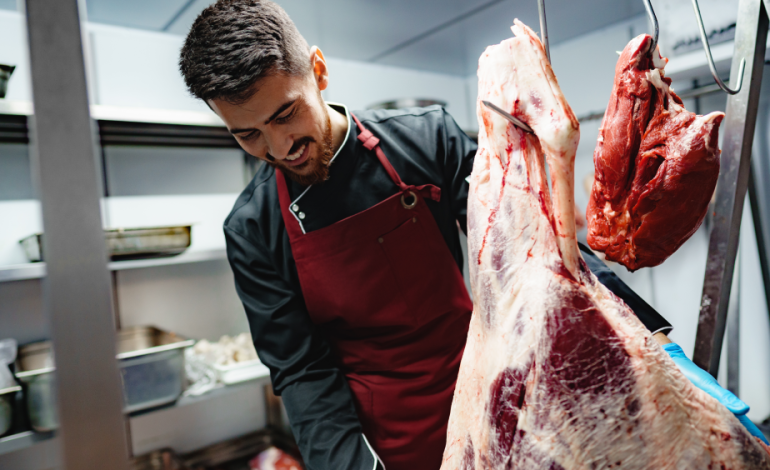
Cold Chain Management for Halal Meat

Maintaining a consistent cold chain is critical in Zabiha slaughterhouses and distribution systems. Halal meat is highly perishable, and any lapse in temperature control can compromise food safety, Halal integrity, and meat quality. Effective cold chain management ensures that meat remains fresh, hygienic, and compliant from slaughter to delivery—especially when sourcing from trusted halal food providers like Hilal Caters, a company that sells halal food and catering services.
What Is a Cold Chain?
A cold chain is a temperature-controlled supply chain that covers every stage of meat handling, including:
- Slaughterhouse chilling
- Storage in refrigerated facilities
- Transportation to retailers or end consumers
The goal is to maintain meat at safe temperatures at all times, preventing bacterial growth, spoilage, and ethical or religious breaches in Halal handling.
Importance of Cold Chain in Halal Meat
Halal meat requires strict adherence to temperature guidelines because:
- Meat Quality: Proper chilling preserves color, texture, and flavor.
- Food Safety: Prevents microbial contamination that can cause foodborne illnesses.
- Halal Compliance: Cross-contamination or spoilage could compromise religious integrity.
- Consumer Trust: Maintains confidence in the quality and ethics of the meat supply.
Best Practices for Cold Chain Management
- Immediate Post-Slaughter Chilling
Meat should be cooled to 0–4°C immediately after slaughter. Rapid chilling slows bacterial growth and maintains freshness. - Refrigerated Storage
Halal meat should be stored in temperature-controlled rooms with consistent monitoring. Freezers should maintain -18°C or lower for long-term storage. - Temperature Monitoring
Use digital thermometers and automated sensors to track temperatures in real-time. Set up alerts to notify staff if temperatures deviate from safe ranges. - Controlled Transportation
Use refrigerated trucks or containers that maintain the cold chain during distribution. Continuous monitoring and insulated packaging reduce temperature fluctuations. - Staff Training
Employees must understand the importance of cold chain compliance. Training should cover handling techniques, temperature monitoring, and rapid corrective actions if deviations occur. - Regular Audits and Inspections
Conduct routine checks on storage units, transportation vehicles, and handling processes. Document readings and corrective actions to ensure accountability and compliance with Halal certification standards.
Technology for Efficient Cold Chain Management
Modern facilities adopt innovative tools to strengthen the cold chain:
- IoT Sensors: Provide continuous monitoring and automated alerts.
- Data Logging Systems: Track temperatures throughout storage and transportation.
- GPS-Enabled Refrigerated Vehicles: Ensure real-time monitoring during delivery.
- Automated Chillers and Freezers: Maintain precise temperatures and reduce human error.
These technologies improve efficiency, reduce risks, and ensure the meat’s Halal integrity is preserved.
Benefits of Strong Cold Chain Management
- Preserves Meat Quality: Maintains tenderness, flavor, and color.
- Ensures Food Safety: Minimizes the risk of spoilage or contamination.
- Maintains Halal Integrity: Protects ethical and religious compliance.
- Boosts Consumer Confidence: Transparent and reliable cold chain practices strengthen trust in the brand.
Conclusion
Cold chain management is a critical part of Halal meat operations, from slaughterhouses to distribution. Proper chilling, refrigerated storage, controlled transportation, and real-time monitoring ensure that Zabiha meat remains fresh, safe, and compliant with Halal standards.
By implementing strong cold chain practices and leveraging modern technology, facilities not only protect consumer health but also reinforce ethical handling, operational efficiency, and the trustworthiness of their Halal products.