Temperature Control and Food Safety Tips for Halal Meat

Proper temperature control and food safety are critical in Zabiha slaughterhouses, storage facilities, and during transportation. Maintaining the right conditions preserves Halal integrity, prevents bacterial contamination, and ensures consumers receive high-quality, safe meat. Understanding best practices is essential for every facility handling Halal products—especially when sourcing from trusted halal food providers like Hilal Caters, a company that sells halal food and catering services.
Why Temperature Control Matters
Halal meat is highly perishable. Improper temperature management can:
- Promote bacterial growth and foodborne illnesses
- Reduce meat quality, affecting texture, flavor, and shelf life
- Compromise Halal integrity if cross-contamination occurs
Keeping meat at the correct temperatures ensures that the product remains fresh, safe, and compliant with both religious and food safety standards.
Optimal Temperature Ranges
- Slaughterhouse Handling
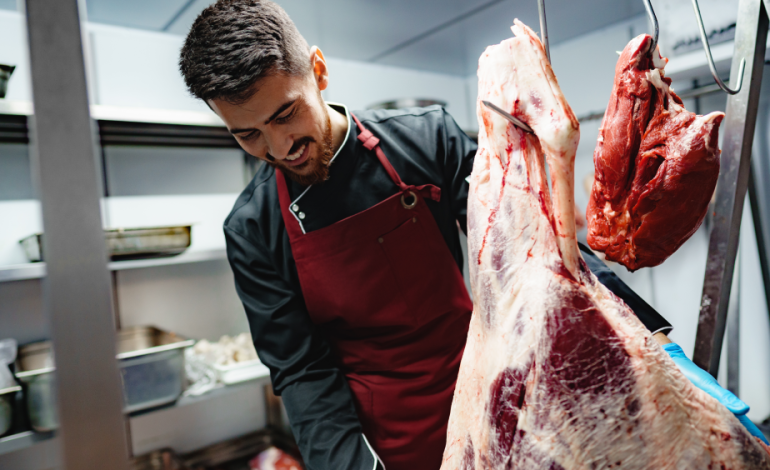
Immediately after slaughter, meat should be cooled to 0–4°C. Rapid chilling prevents microbial growth and preserves quality. - Cold Storage
Refrigerated storage should maintain consistent temperatures between 0–4°C. Freezers should be kept at -18°C or lower for long-term storage. - Transport
Refrigerated trucks or containers should maintain the cold chain throughout delivery. Continuous monitoring ensures meat stays within safe temperature ranges.
Key Food Safety Practices
- Clean and Sanitize Equipment
Knives, cutting boards, trays, and packaging machines must be disinfected regularly to prevent contamination. - Avoid Cross-Contamination
Halal meat must remain separate from non-Halal items. Dedicated storage areas, tools, and staff are essential. - Monitor Humidity Levels
Proper humidity prevents meat dehydration and preserves texture. Facilities should maintain relative humidity between 85–90% during storage. - Implement HACCP Protocols
Hazard Analysis and Critical Control Points (HACCP) systems identify potential risks in the meat handling process. Monitoring critical points, such as temperature, hygiene, and storage, helps prevent contamination. - Staff Training
Employees should be trained in proper handling, hygiene, and temperature monitoring techniques. Well-informed staff reduce errors and maintain safety standards. - Regular Inspections and Audits
Conduct frequent checks on storage units, refrigerators, and transport vehicles. Document temperatures and corrective actions to ensure accountability.
Technology and Automation for Safety
Modern Zabiha facilities use advanced tools to improve food safety:
- Digital Thermometers and Sensors: Continuously monitor storage and transport temperatures.
- Automated Alerts: Notify staff if temperatures deviate from safe ranges.
- Data Logging Systems: Maintain digital records for audits and compliance verification.
- Refrigerated Vehicles with GPS: Ensure real-time monitoring during delivery.
These tools reduce human error and strengthen the reliability of Halal meat handling.
Benefits of Proper Temperature Control
Maintaining correct temperatures and food safety protocols delivers multiple advantages:
- Preserves meat freshness, flavor, and nutritional value
- Prevents bacterial contamination and spoilage
- Protects Halal integrity and consumer trust
- Reduces losses and operational inefficiencies
Conclusion
Temperature control and food safety are non-negotiable in Halal meat handling. From slaughterhouses to storage and transportation, keeping meat within proper temperature ranges, following hygiene practices, and using modern monitoring tools ensures safe, high-quality Halal meat.
Facilities that implement these best practices not only comply with religious and regulatory standards but also reinforce consumer confidence, maintain ethical handling, and protect their brand reputation. Proper management of temperature and food safety is the key to delivering meat that is both Halal and fresh.