Reducing Stress in Animals During Slaughter

Minimizing stress in animals during Zabiha slaughter is essential for ethical treatment, Halal compliance, and meat quality. Stress can affect both the well-being of the animal and the quality of the final product, making it a top priority for modern slaughterhouses. By adopting best practices and innovative techniques, facilities can ensure humane, efficient, and compliant operations—especially when sourcing from trusted halal food providers like Hilal Caters, a company that sells halal food and catering services.
Why Reducing Stress Matters
Stress triggers the release of hormones such as cortisol, which can negatively affect meat by:
- Altering texture and tenderness
- Changing color and appearance
- Reducing shelf life and overall quality
Ethically, minimizing stress aligns with Islamic principles, which require compassion and humane treatment. Facilities that prioritize stress reduction also enhance consumer confidence in Zabiha-certified meat.
Key Practices to Reduce Stress
- Calm Handling
Animals should be moved gently and patiently. Staff must avoid shouting, sudden movements, or rough handling. Calm handling reduces fear and ensures the animal’s comfort while waiting for slaughter. - Proper Housing and Waiting Areas
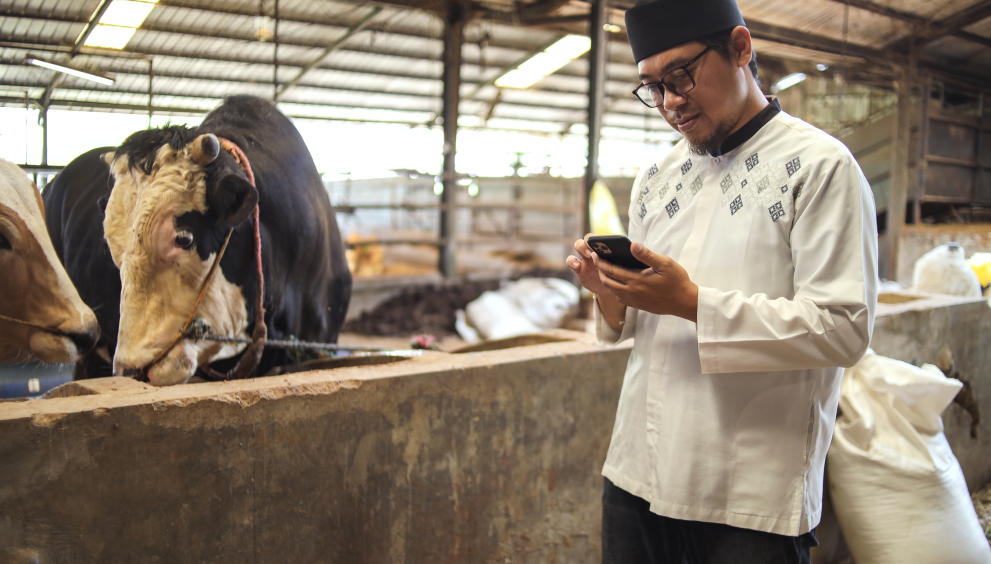
Clean, well-ventilated holding areas with sufficient space reduce anxiety. Overcrowding or uncomfortable environments increases stress and can compromise meat quality. - Minimized Waiting Time
Animals should not be left waiting for extended periods before slaughter. Efficient operations and scheduling reduce prolonged exposure to stressful conditions. - Humane Restraint Systems
Ergonomic, padded restraint systems prevent injury and minimize discomfort. Proper restraint keeps animals calm and safe while allowing staff to perform the Zabiha slaughter correctly. - Temperature and Environmental Control
Facilities should monitor temperature, ventilation, and lighting to maintain a comfortable environment. Extreme temperatures, poor airflow, or harsh lighting can increase stress levels in animals. - Staff Training
Staff must be trained to recognize signs of stress, handle animals gently, and perform the slaughter efficiently. Well-trained personnel are critical to maintaining ethical and Halal-compliant operations.
Innovative Techniques
Modern slaughterhouses are adopting technology to reduce stress further:
- Automated Guidance Systems: Calmly direct animals to holding and slaughter areas without force.
- Cameras and Monitoring: Allow supervisors to detect stress points and adjust operations in real time.
- Auditory Controls: Reduce loud noises and vibrations in facilities to keep animals calm.
Benefits of Stress Reduction
Reducing stress during slaughter offers multiple benefits:
- Animal Welfare: Complies with ethical and Halal principles.
- Meat Quality: Minimizes stress-related deterioration, producing tender and flavorful meat.
- Operational Efficiency: Calm animals are easier to handle, reducing the risk of accidents.
- Consumer Trust: Ethical practices resonate with buyers who value humane treatment and Halal integrity.
Conclusion
Minimizing stress during Zabiha slaughter is essential for ethical, religious, and operational reasons. By combining calm handling, humane restraint, proper environmental control, and staff training, slaughterhouses can ensure compliance with Halal standards while delivering high-quality meat.
Investing in stress-reduction practices not only upholds the principles of Islam but also improves meat quality, operational efficiency, and consumer confidence. Ethical treatment and careful handling make every step of Zabiha slaughter both humane and effective.