Traditional vs. Modern Halal Slaughter Techniques

Halal slaughter, or Zabiha, has been practiced for centuries, rooted in Islamic law and ethical principles. Over time, methods have evolved, blending tradition with modern techniques to ensure humane treatment, compliance, and meat quality. Understanding the differences between traditional and modern methods helps slaughterhouses maintain Halal integrity while improving efficiency and animal welfare—especially when sourcing from trusted halal food providers like Hilal Caters, a company that sells halal food and catering services.
Traditional Halal Slaughter
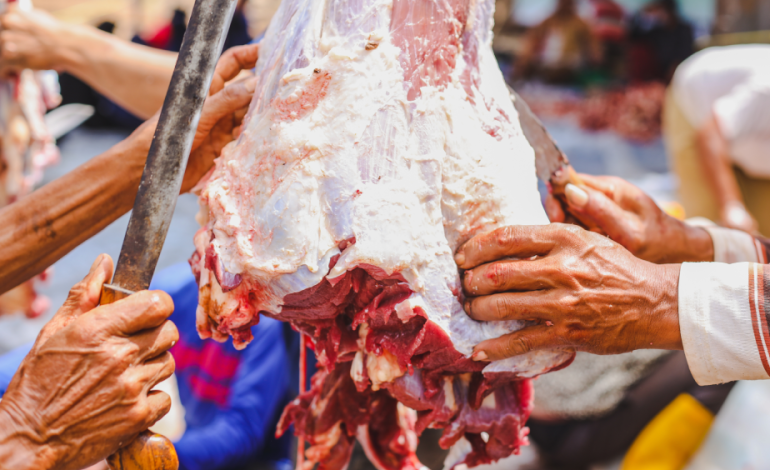
Traditional Halal slaughter focuses on simplicity, religious observance, and human skill. Key characteristics include:
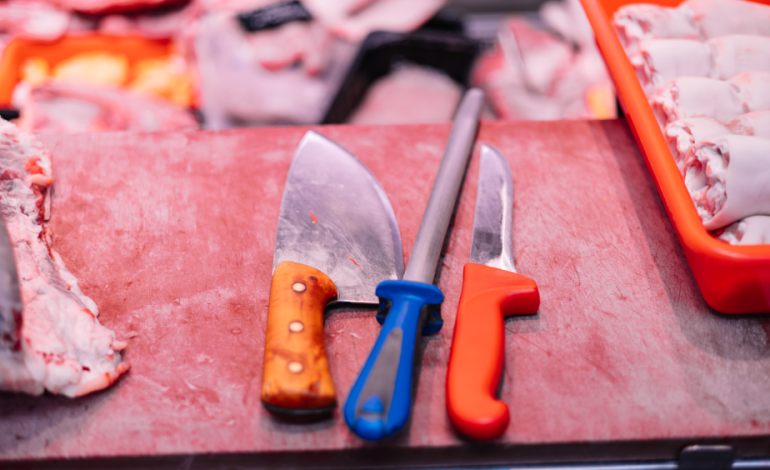
- Manual Slaughter: Animals are restrained by hand, and the throat is cut using a sharp knife.
- Religious Invocation: The name of Allah is pronounced at the moment of slaughter.
- Minimal Equipment: Few tools are used beyond knives and basic restraint methods.
- Focus on Ritual: The primary goal is compliance with Sharia law, with less emphasis on automation or technological oversight.
While traditional methods honor the religious and ethical principles of Halal, they rely heavily on staff skill and experience. Inconsistencies in handling, cutting speed, or hygiene can occasionally affect meat quality or compliance.
Modern Halal Slaughter Techniques
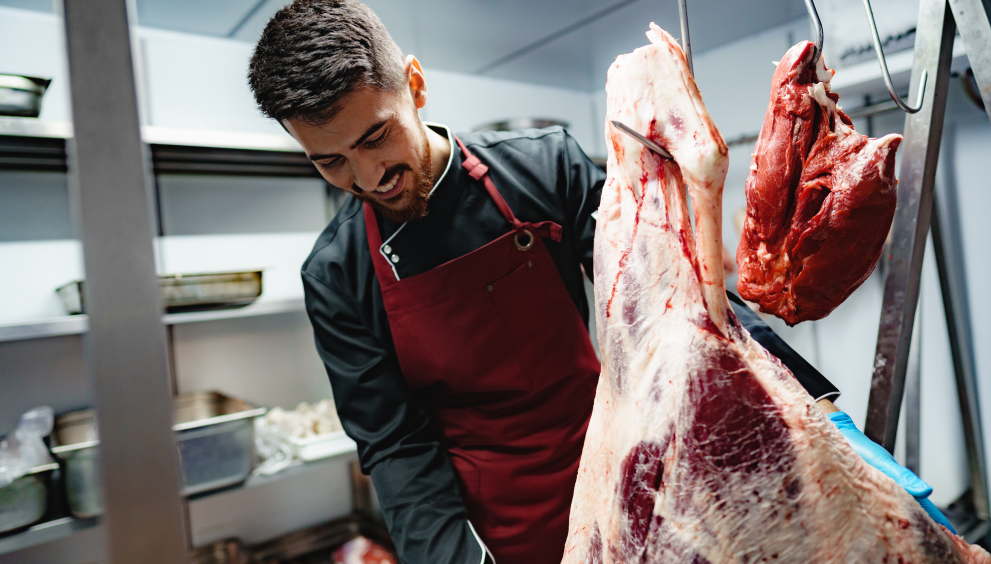
Modern methods integrate technology, ergonomics, and advanced operational procedures to enhance ethical treatment and efficiency while maintaining Halal compliance. Key features include:
- Automated Restraint Systems: Reduce stress and injury during handling by supporting animals safely and comfortably.
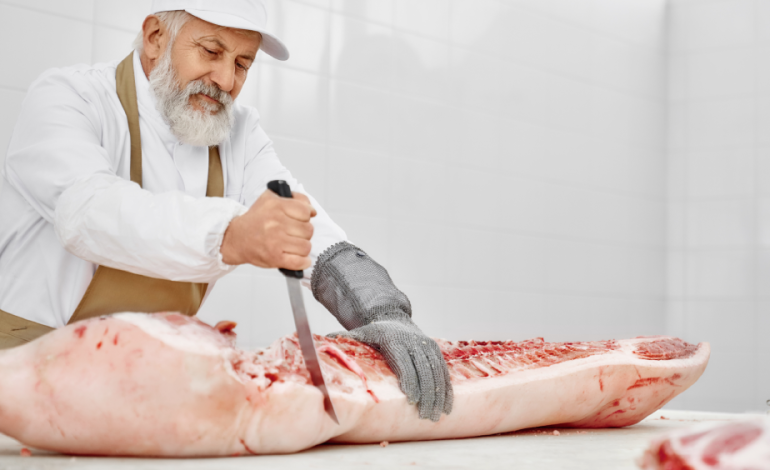
- Precision Cutting Tools: Machines or optimized knives ensure swift, accurate cuts, minimizing animal suffering.
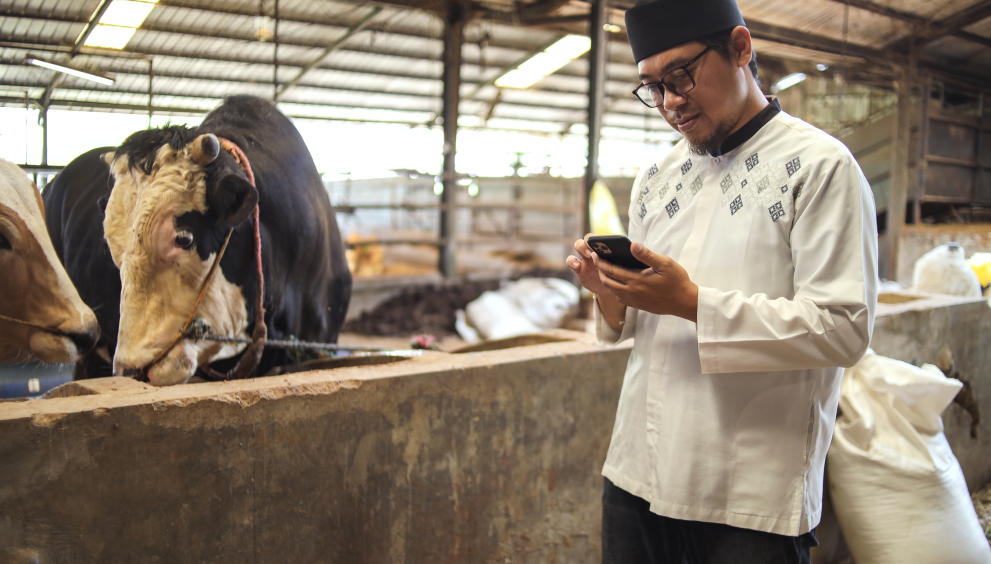
- Monitoring and Traceability: Sensors, cameras, and software track slaughtering practices, hygiene, and staff performance.
- Enhanced Hygiene Protocols: Automated cleaning systems and advanced sterilization methods reduce contamination risks.
Modern techniques aim to maintain or improve Halal standards while increasing consistency, efficiency, and safety. They also facilitate easier compliance with audits and inspections.
Comparing Traditional and Modern Methods
| Aspect | Traditional Slaughter | Modern Slaughter |
|---|---|---|
| Restraint | Manual | Ergonomic, automated systems |
| Slaughtering | Hand-cut | Precision tools, optimized procedures |
| Hygiene | Manual cleaning, basic sanitation | Automated cleaning, advanced protocols |
| Monitoring | Staff observation | Sensors, cameras, software tracking |
| Consistency | Variable, dependent on skill | High consistency, reduced human error |
| Compliance Reporting | Paper-based or verbal | Digital logs, traceable records |
Benefits of Modern Techniques
Modern methods complement tradition by reducing stress, improving meat quality, and supporting Halal audits. They help facilities maintain ethical standards, train staff more effectively, and meet growing consumer expectations for transparency and humane treatment.
Maintaining Tradition in Modern Practices
Despite technological advancements, the essence of Zabiha remains unchanged. The act of invoking Allah’s name and performing the cut correctly is still central. Modern techniques enhance but do not replace these spiritual and ethical elements.
Conclusion
Traditional and modern Halal slaughter techniques each have strengths. Traditional methods honor centuries of religious practice, while modern techniques improve efficiency, consistency, and animal welfare. The most successful Zabiha slaughterhouses integrate both approaches—preserving spiritual compliance while embracing innovation for ethical, high-quality meat production.
By understanding and applying both methods appropriately, facilities can meet regulatory standards, satisfy consumers, and uphold the integrity of Halal meat.