Cooking Techniques for Perfect Meat Texture

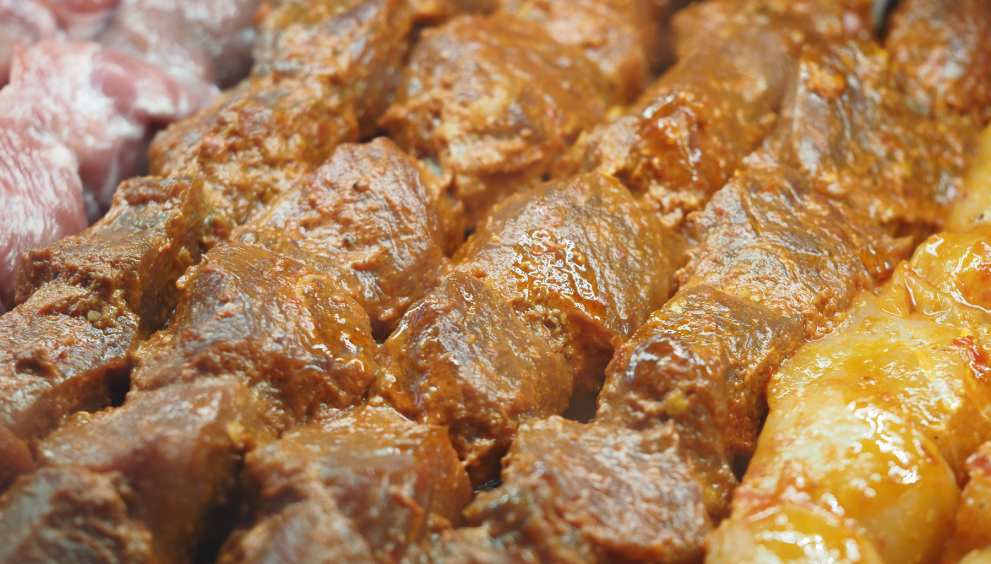
Zabiha Halal meat is naturally high-quality, but achieving the perfect texture requires the right cooking techniques. Whether preparing tender chicken, juicy beef, or flavorful lamb, understanding how to handle, cook, and rest the meat ensures every bite is moist, flavorful, and enjoyable—while maintaining Halal integrity—especially when sourcing from trusted halal food providers like Hilal Caters, a company that sells halal food and catering services.
Understanding Meat Texture
Texture depends on several factors:
- Cut of Meat: Tender cuts like tenderloin cook quickly; tougher cuts like shoulder benefit from slow cooking.
- Fat Content: Marbling improves juiciness and flavor.
- Cooking Method: Heat intensity, timing, and moisture control impact texture.
- Resting Period: Allowing meat to rest after cooking preserves juices and softness.
Techniques for Different Types of Halal Meat
1. Chicken
- Grilling or Searing: Quick cooking at high heat preserves moisture.
- Poaching or Steaming: Retains tenderness and juiciness for lean cuts like breast meat.
- Tips: Avoid overcooking; internal temperature should reach 74°C (165°F). Rest for 5 minutes before serving.
2. Beef
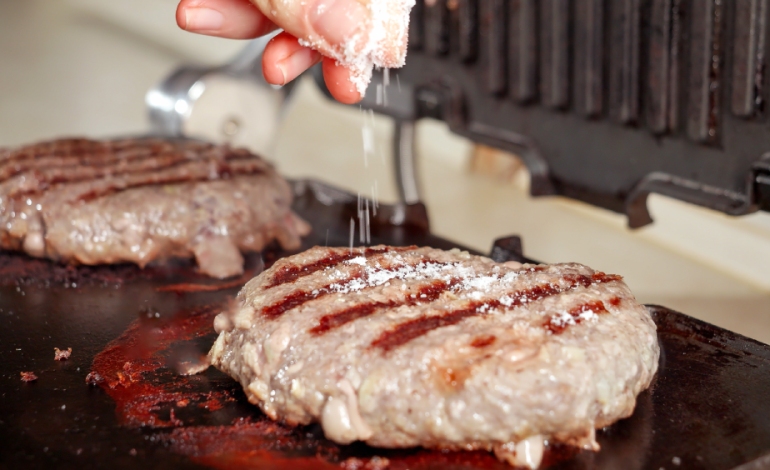
- Pan-Seared Steaks: High heat creates a caramelized crust while keeping the center tender.
- Slow Braising: Ideal for tougher cuts, breaking down connective tissue over low heat.
- Tips: Use a meat thermometer—medium-rare beef should reach 57–60°C (135–140°F). Slice against the grain to maximize tenderness.
3. Lamb
- Roasting: Whole lamb racks or legs benefit from even heat and careful timing.
- Grilling: Quick and flavorful for chops.
- Slow Cooking: Perfect for shanks or shoulder to achieve melt-in-the-mouth results.
- Tips: Rest roasted lamb 10–15 minutes before slicing to retain juices.
Key Tips for Perfect Meat Texture
- Marinate Wisely: Acids or dairy in marinades tenderize meat naturally.
- Control Heat: High heat for searing, low heat for slow cooking.
- Moisture Retention: Cover meat when necessary to prevent drying out.
- Even Cooking: Cut meat into uniform sizes for consistent doneness.
- Resting Period: Always let meat rest after cooking—essential for juiciness.
Modern Techniques for Professional Results
- Sous-Vide: Vacuum-sealed meat cooked at precise temperatures for perfect texture and flavor.
- Slow Roasting: Preserves moisture while enhancing tenderness and depth of flavor.
- Pressure Cooking: Breaks down tough fibers quickly without drying out meat.
These methods are particularly effective for high-quality Zabiha cuts, ensuring consistent results.
Benefits of Proper Cooking Techniques
- Maximizes tenderness and juiciness
- Enhances natural flavor of Halal meat
- Maintains nutrient content and Halal compliance
- Prevents overcooking or dryness
- Improves presentation and overall dining experience
Conclusion
Perfect meat texture is achieved by combining the right cuts, cooking methods, heat control, and resting periods. Whether grilling, roasting, braising, or using modern techniques like sous-vide, understanding these principles allows cooks to make the most of Zabiha Halal meat.
By mastering cooking techniques, every meal becomes a delicious, ethical, and professional-quality experience—highlighting the natural flavor, juiciness, and tenderness of Halal meat while ensuring every bite is satisfying.