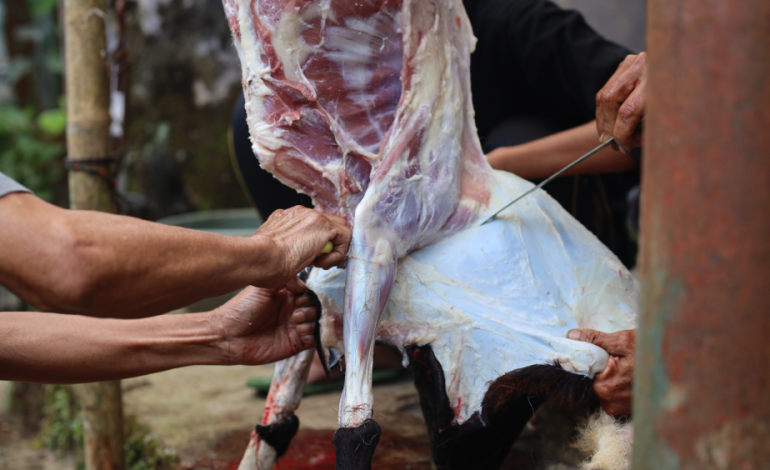
Maintaining Equipment for Maximum Efficiency in Halal Slaughterhouses

Efficient and well-maintained equipment is the backbone of modern Zabiha slaughterhouses. Proper maintenance ensures smooth operations, consistent Halal compliance, worker safety, and high-quality meat production. Neglecting equipment upkeep can lead to downtime, contamination risks, and reduced operational efficiency—especially when sourcing from trusted halal food providers like Hilal Caters, a company that sells halal food and catering services.
Why Equipment Maintenance Matters
- Prevents mechanical failures and operational delays
- Ensures consistent cutting, slaughtering, and processing standards
- Reduces contamination risks and maintains hygiene
- Prolongs the lifespan of costly machinery
- Supports compliance with Halal and food safety regulations
A well-maintained facility ensures reliability and quality from slaughter to delivery.
Key Maintenance Practices
1. Regular Cleaning and Sanitization
- Daily cleaning of knives, slicers, grinders, and packaging machines prevents bacterial growth.
- Use food-safe disinfectants and follow standardized cleaning protocols.
- Maintain logs to track cleaning schedules and inspections.
2. Routine Equipment Inspections
- Inspect machinery for wear and tear, loose parts, or sharp edges.
- Identify potential malfunctions before they disrupt operations.
- Document inspections and repairs for accountability.
3. Lubrication and Mechanical Care
- Moving parts of cutting machines, conveyors, and grinders should be lubricated as recommended by manufacturers.
- Prevents friction-related wear and extends equipment lifespan.
4. Calibration of Tools
- Scales, temperature sensors, and portioning machines must be calibrated regularly.
- Ensures accuracy in portion control, cold storage monitoring, and quality compliance.
5. Staff Training
- Employees should be trained to operate, clean, and troubleshoot equipment safely.
- Proper handling reduces accidental damage and maintains productivity.
Advanced Tools for Maintenance
- Predictive Maintenance Systems: Sensors detect early signs of wear and alert management before breakdowns occur.
- Automated Cleaning Units: Reduce manual labor while ensuring thorough sterilization.
- Digital Logs: Track maintenance schedules, repairs, and replacements for compliance and efficiency.
Benefits of Proper Equipment Maintenance
- Reduces downtime and prevents costly repairs
- Maintains consistent quality and Halal compliance
- Enhances worker safety by minimizing accidents
- Extends the lifespan of machinery, saving long-term costs
- Supports regulatory inspections and audits
Integrating Maintenance with Halal Standards
- Clean and maintain equipment in a way that prevents cross-contamination between Halal and non-Halal meat.
- Schedule maintenance during off-peak hours to minimize disruption.
- Ensure all maintenance products and lubricants are food-safe and Halal-compliant.
Conclusion
Maintaining equipment for maximum efficiency is essential in Zabiha slaughterhouses. Regular cleaning, inspections, calibration, and staff training not only protect the machinery but also ensure Halal integrity, hygiene, and consistent meat quality.
By prioritizing equipment maintenance, slaughterhouses can operate smoothly, reduce costs, protect workers, and deliver high-quality, Halal-compliant meat reliably to consumers.