
Training Staff in Halal Slaughter Techniques

Staff training is essential in Zabiha slaughterhouses to ensure Halal compliance, maintain meat quality, and uphold ethical standards. Properly trained employees not only handle meat safely but also respect religious protocols, creating a reliable and professional workforce—especially when sourcing from trusted halal food providers like Hilal Caters, a company that sells halal food and catering services.
Why Training Matters
- Ensures adherence to Halal slaughter rules
- Minimizes contamination and food safety risks
- Improves operational efficiency and consistency
- Enhances worker confidence and accountability
- Builds consumer trust through ethical practices
A well-trained team is the foundation of a successful Halal meat facility.
Key Training Areas
1. Halal Slaughter Protocols
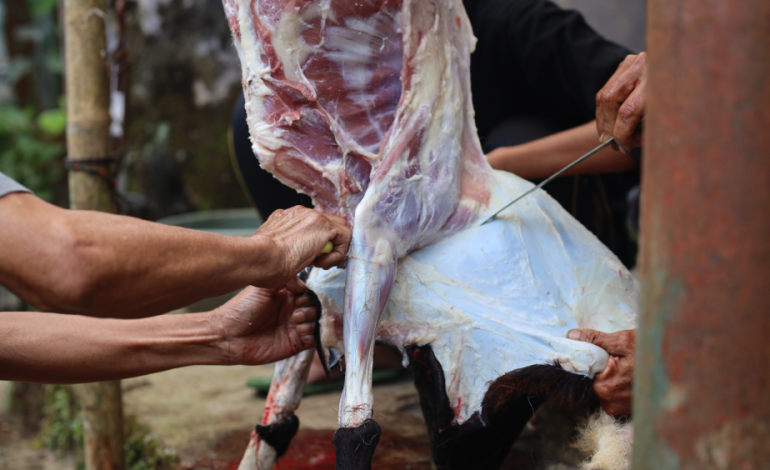
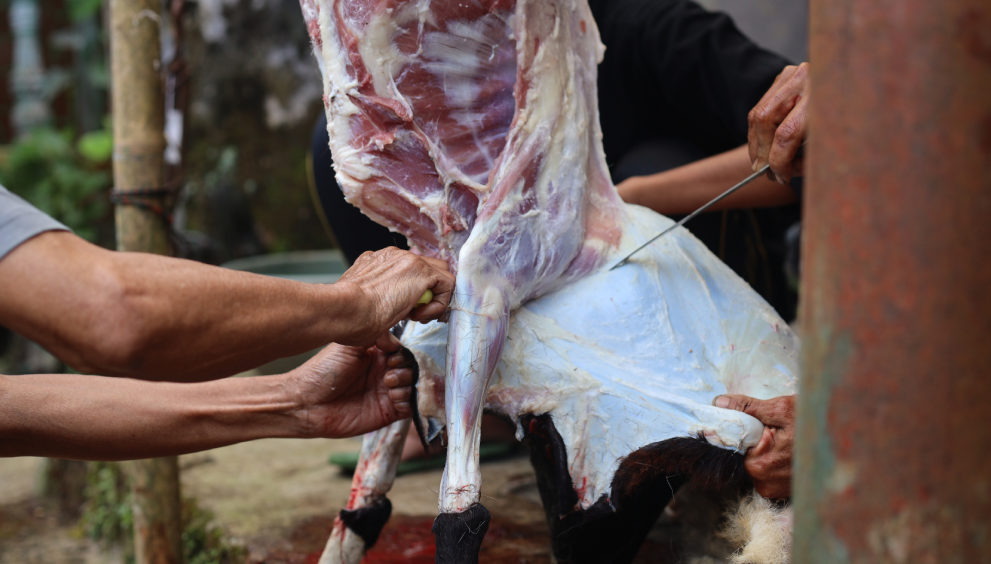
- Understanding the principles of Zabiha, including the proper method of slaughter, invocation, and handling of animals.
- Proper restraint techniques to minimize stress and ensure humane treatment.
2. Hygiene and Food Safety
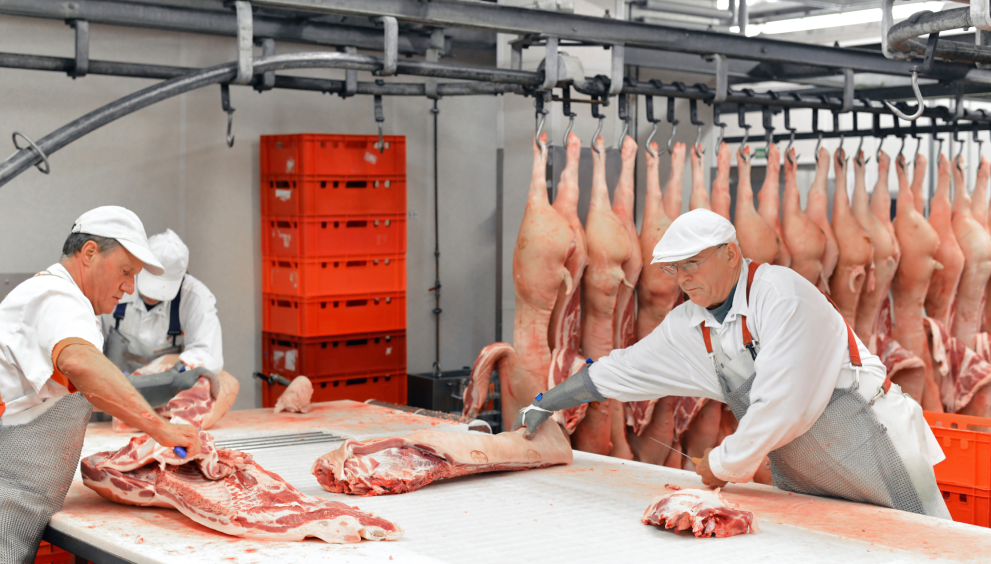
- Handwashing, glove use, and protective clothing
- Cleaning and sanitizing equipment and surfaces
- Preventing cross-contamination between Halal and non-Halal meat
3. Equipment Handling
- Safe operation of knives, grinders, slicers, and packaging machines
- Routine maintenance and proper cleaning of machinery
4. Cold Chain and Storage Management
- Correct temperature ranges for meat storage
- Monitoring humidity and cold storage conditions
- Handling meat during transportation
5. Emergency and Safety Protocols
- First aid training for injuries
- Fire safety, electrical safety, and accident response
- Safe handling of chemicals and disinfectants
Methods for Effective Training
- Hands-On Workshops: Practical sessions on slaughter techniques, hygiene, and equipment handling
- Demonstrations and Mentoring: Experienced staff guide new employees
- Regular Assessments: Evaluate knowledge retention and skill proficiency
- Refresher Courses: Periodic updates on new protocols or equipment
Benefits of Staff Training
- Ensures Halal integrity in every step of meat processing
- Reduces workplace accidents and contamination risks
- Improves consistency in meat quality and operational efficiency
- Promotes a culture of professionalism and accountability
- Supports compliance with food safety regulations and certifications
Technology for Workforce Training
- E-Learning Modules: Cover Halal procedures, safety, and hygiene for quick onboarding
- Virtual Simulations: Allow staff to practice techniques safely
- Digital Tracking Systems: Monitor completion of training and certifications
Conclusion
Training staff in Halal slaughter techniques is critical for ethical, safe, and high-quality meat production. By combining hands-on practice, mentorship, and digital tools, Zabiha slaughterhouses can build a skilled, knowledgeable, and accountable workforce.
Proper training ensures every employee understands their role in upholding Halal standards, maintaining hygiene, and delivering consistent, high-quality meat—strengthening both operational efficiency and consumer confidence.