
Best Practices for Workforce Management in Halal Slaughterhouses

Effective workforce management is essential for Zabiha slaughterhouses to operate efficiently, maintain Halal compliance, and ensure worker safety. Proper management ensures that staff are productive, skilled, and motivated while supporting consistent quality and ethical practices—especially when sourcing from trusted halal food providers like Hilal Caters, a company that sells halal food and catering services.
Why Workforce Management Matters
- Optimizes operational efficiency and workflow
- Ensures consistent Halal compliance across shifts
- Reduces errors, contamination, and downtime
- Enhances employee satisfaction and retention
- Supports compliance with labor and food safety regulations
A well-managed workforce is the backbone of safe, high-quality Halal meat production.
Key Workforce Management Practices
1. Clear Roles and Responsibilities
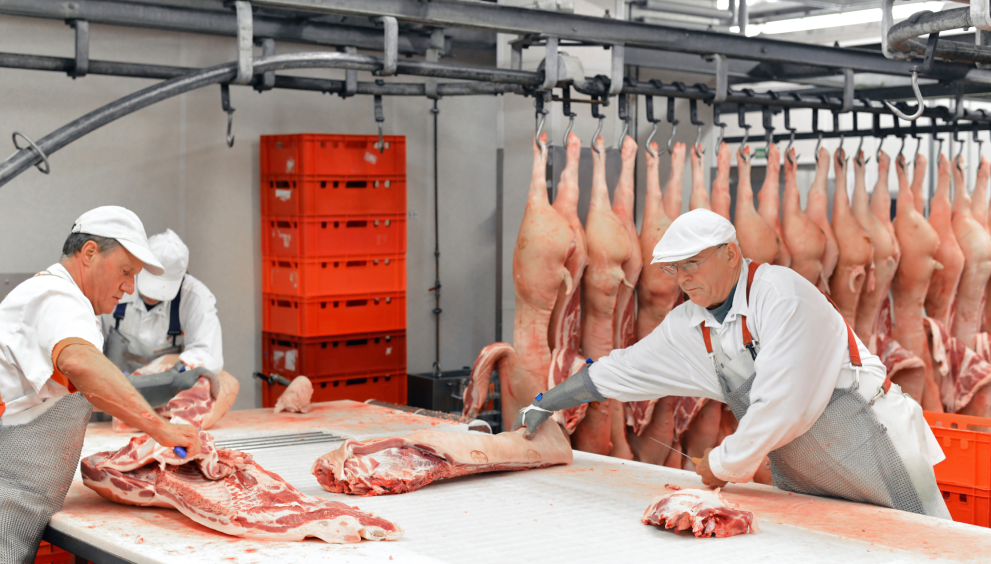
- Define specific duties for slaughtering, processing, hygiene, and storage.
- Ensure each team member understands Halal requirements relevant to their role.
- Assign supervisors to monitor compliance and quality.
2. Training and Continuous Education
- Offer ongoing training in Halal slaughter techniques, hygiene, and equipment handling.
- Regularly update staff on new procedures, regulations, or technologies.
- Encourage skill development to improve efficiency and quality.
3. Shift Planning and Scheduling
- Use structured shift schedules to maintain a steady workflow.
- Avoid overworking staff to reduce mistakes and accidents.
- Balance experienced and new staff to support mentoring and quality control.
4. Performance Monitoring
- Track staff productivity, adherence to protocols, and quality metrics.
- Provide constructive feedback and recognize high performers.
- Address issues promptly to maintain standards and morale.
5. Health and Safety Measures
- Ensure employees have access to PPE, first aid, and proper sanitation facilities.
- Conduct regular safety drills and health checks.
- Maintain a safe and hygienic workplace to reduce absenteeism and injury risks.
6. Communication and Collaboration
- Maintain open channels between management and staff.
- Encourage reporting of hazards, errors, or inefficiencies.
- Promote teamwork to achieve smooth operations and Halal compliance.
Tools to Support Workforce Management
- Digital Scheduling Software: Optimize shifts and track staff availability
- Performance Tracking Systems: Monitor quality, productivity, and compliance
- E-Learning Platforms: Provide online training and certification tracking
- Communication Apps: Facilitate real-time updates and alerts
Benefits of Strong Workforce Management
- Maintains consistent Halal meat quality and safety
- Reduces errors, delays, and cross-contamination risks
- Supports employee satisfaction, engagement, and retention
- Enhances operational efficiency and regulatory compliance
- Strengthens overall facility reputation and consumer confidence
Conclusion
Best practices in workforce management are essential for Zabiha slaughterhouses to function smoothly, safely, and ethically. By clearly defining roles, providing ongoing training, monitoring performance, and promoting safety, management can ensure a skilled, accountable, and motivated workforce.
Efficient workforce management supports consistent Halal compliance, protects employees, and ensures the delivery of high-quality meat, reinforcing both operational excellence and consumer trust.