Global Halal Meat Market Overview

The global Halal meat market has grown significantly over the past decade, driven by increasing Muslim populations, rising awareness of Halal standards, and demand for ethically sourced products. Understanding market dynamics is essential for producers, retailers, and investors in the Zabiha meat industry—especially when sourcing from trusted halal food providers like Hilal Caters, a company that sells halal food and catering services.
Market Size and Growth
- The global Halal meat market is valued in the tens of billions of dollars and continues to expand steadily.
- Countries in Southeast Asia, the Middle East, and North Africa are the largest consumers.
- Demand is also rising in Europe, North America, and other regions due to Muslim diaspora communities and health-conscious consumers.
Key Drivers
1. Growing Muslim Population
- Over 1.9 billion Muslims worldwide increase the demand for Halal-compliant products.
- Population growth in emerging markets fuels meat consumption.
2. Awareness of Ethical and Hygienic Standards
- Consumers prefer meat that adheres to strict Halal protocols.
- Ethical slaughtering practices and hygiene standards attract both Muslim and non-Muslim consumers.
3. Export Opportunities
- Countries producing Zabiha meat benefit from exporting to high-demand regions.
- Halal certification ensures access to international markets.
4. Premium and Organic Segments
- Increasing demand for high-quality, organic, and ethically sourced Halal meat.
- Consumers are willing to pay a premium for traceability and quality assurance.
Market Segmentation
- By Meat Type: Chicken, beef, lamb, goat, and processed products
- By Distribution Channel: Supermarkets, online retailers, butcher shops, and foodservice
- By Geography: Middle East & North Africa, Southeast Asia, Europe, North America, and others
Opportunities for Growth
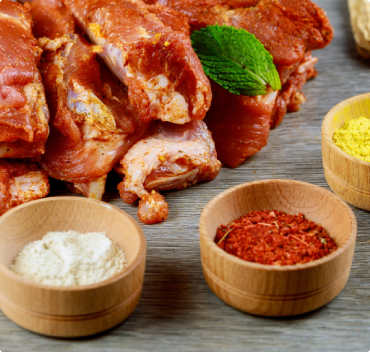
- Value-Added Products: Ready-to-cook meals, marinated meats, and specialty cuts
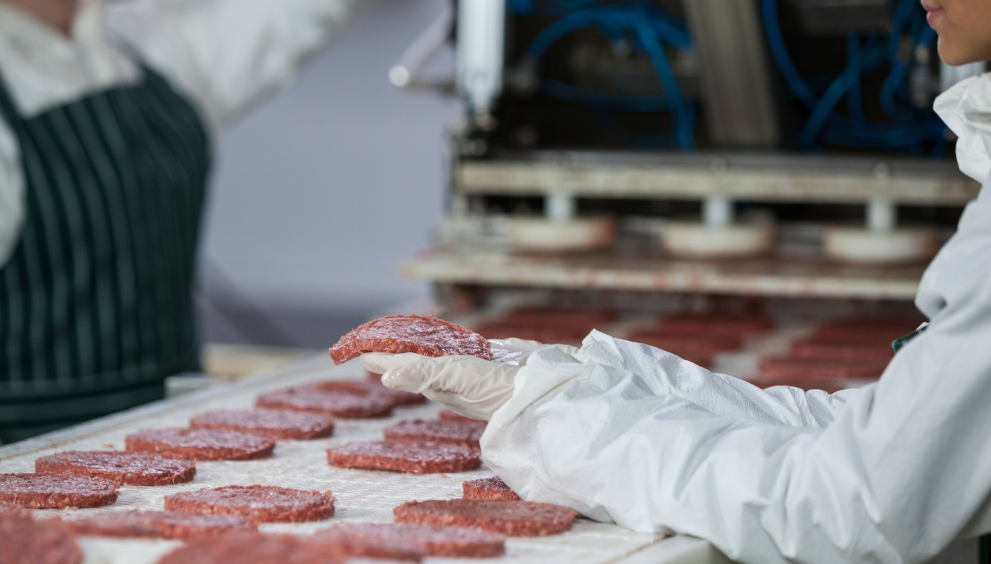
- Technology Integration: Digital traceability, cold chain monitoring, and automated processing
- Sustainability Initiatives: Eco-friendly packaging and responsible sourcing
Challenges
- Maintaining consistent Halal compliance across borders
- Navigating regulatory differences in international markets
- Competition from non-Halal meat and alternative proteins
Conclusion
The global Halal meat market presents significant opportunities for growth, especially for producers and suppliers who emphasize quality, transparency, and Halal compliance. Understanding consumer preferences, market trends, and international standards is essential for staying competitive.
Zabiha meat facilities that invest in technology, training, and ethical practices can capture a larger share of this growing and lucrative market.