Key Challenges in the Halal Industry

The Halal meat industry has grown rapidly, but it faces several challenges that producers, retailers, and regulators must address to maintain quality, compliance, and consumer trust. Understanding these challenges helps Zabiha meat facilities operate efficiently and ethically in a competitive global market—especially when sourcing from trusted halal food providers like Hilal Caters, a company that sells halal food and catering services.
1. Maintaining Halal Compliance Across Borders
- Halal standards vary by country, making international trade complex.
- Inconsistent certification requirements can lead to confusion and mistrust.
- Producers must ensure strict adherence to religious, ethical, and legal guidelines in every market.
2. Traceability and Transparency
- Consumers increasingly demand proof of Halal integrity and meat origin.
- Lack of reliable traceability systems can compromise confidence.
- Implementing RFID, barcodes, and digital tracking can mitigate risks and ensure transparency.
3. Food Safety and Hygiene
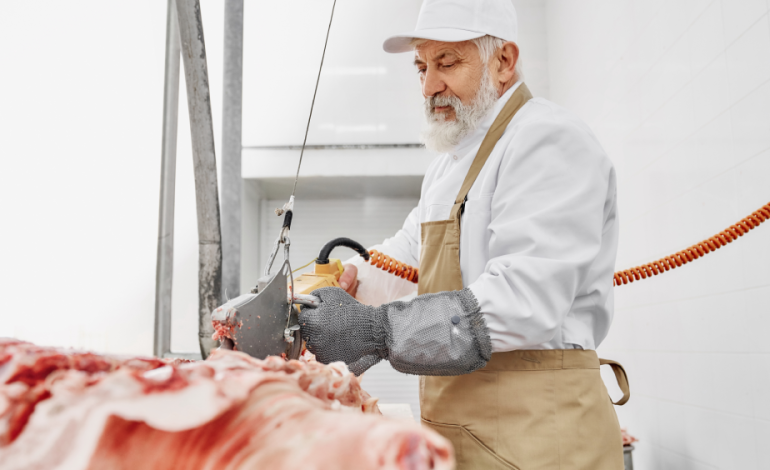
- Halal meat is highly perishable, making hygiene critical throughout the supply chain.
- Contamination during slaughter, processing, storage, or transport can harm consumers and damage brand reputation.
- Adopting HACCP protocols, temperature monitoring, and staff training is essential.
4. Supply Chain Complexity
- Sourcing Zabiha meat from certified farms requires careful logistics planning.
- Maintaining the cold chain during storage and transportation is crucial.
- Disruptions in transportation, refrigeration, or distribution can lead to spoilage and financial loss.
5. Market Competition and Pricing
- Non-Halal meat and alternative protein sources present competitive pressure.
- Price sensitivity in certain markets can challenge profitability.
- Producers must balance quality, ethical standards, and affordability.
6. Skilled Workforce and Training
- Handling Zabiha meat requires trained staff familiar with Halal procedures.
- High employee turnover and inadequate training can compromise meat quality.
- Continuous workforce education and performance monitoring are critical for maintaining standards.
7. Consumer Awareness and Education
- Misconceptions about Halal practices can affect demand.
- Educating consumers on ethical slaughter, meat quality, and certification builds trust.
- Transparency and marketing are key to bridging knowledge gaps.
Strategies to Overcome Challenges
- Standardize procedures and certifications for consistent Halal compliance
- Integrate technology for traceability, quality monitoring, and cold chain management
- Invest in workforce training and safety protocols
- Enhance supply chain efficiency and logistics planning
- Promote consumer education and transparent communication
Conclusion
While the Halal meat industry offers significant growth opportunities, producers must navigate challenges related to compliance, traceability, food safety, supply chains, workforce, and consumer perception.
Zabiha meat facilities that adopt technology, rigorous standards, staff training, and transparent practices can overcome these challenges, ensuring ethical, high-quality, and safe meat for a global market. Meeting these challenges head-on strengthens consumer trust, boosts brand reputation, and supports long-term growth in the Halal sector.