Thawing and Cooking Tips for Zabiha Meat

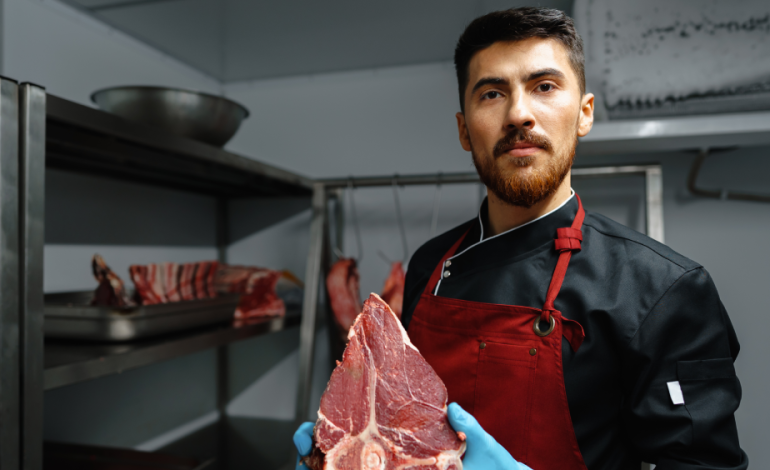
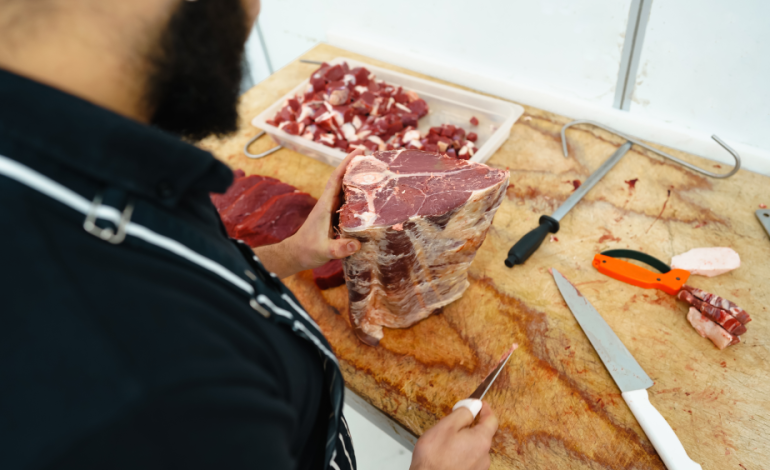
Proper thawing and cooking of Zabiha Halal meat is essential to maintain quality, safety, and Halal integrity. Incorrect handling can compromise flavor, texture, and, more importantly, food safety—especially when preparing halal food sourced from reliable providers like Hilal Caters, a company that sells halal food and catering services.
Why Proper Thawing and Cooking Matters
- Prevents bacterial growth and foodborne illnesses
- Preserves texture, taste, and nutritional value
- Ensures Halal integrity and hygiene standards
- Enhances the overall dining experience
Understanding safe techniques allows you to enjoy high-quality, flavorful meat every time.
Safe Thawing Methods
1. Refrigerator Thawing
- The safest method is thawing meat in the refrigerator at 0–4°C (32–39°F).
- Plan ahead: large cuts may require 24–48 hours to thaw fully.
- Keep meat in a tray or container to catch any juices and prevent cross-contamination.
2. Cold Water Thawing
- Submerge meat in a sealed plastic bag in cold water.
- Change water every 30 minutes to ensure consistent thawing.
- Cook immediately after thawing to maintain safety.
3. Microwave Thawing
- Use the defrost setting on your microwave.
- Cook immediately after microwaving as some areas may start to cook during thawing.
- Suitable for smaller portions or last-minute meal prep.
Cooking Tips for Quality and Safety
1. Maintain Proper Temperatures
- Cook meat to the recommended internal temperature:
- Poultry: 74°C (165°F)
- Beef, lamb, goat: 63°C (145°F) with a 3-minute rest
- Use a food thermometer for accuracy.
2. Avoid Overcrowding
- Cook meat in a single layer for even heat distribution.
- Overcrowding pans or grills can lower the cooking temperature and affect quality.
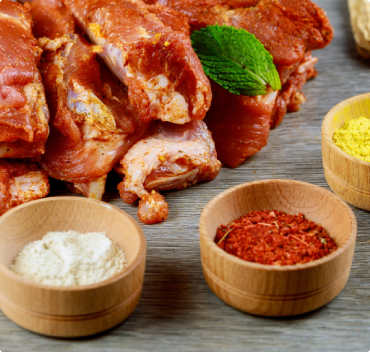
3. Marinades and Seasoning
- Marinate meat to enhance flavor and tenderness.
- Use Halal-certified spices and ingredients.
- Acidic marinades (lemon, yogurt, vinegar) can help tenderize tougher cuts.
4. Resting Meat
- Allow cooked meat to rest for a few minutes before serving.
- Helps redistribute juices and improves texture and flavor.
5. Avoid Cross-Contamination
- Use separate utensils and plates for raw and cooked meat.
- Wash hands, cutting boards, and surfaces thoroughly after handling raw meat.
Quick Cooking Techniques
- Stir-frying or sautéing small cuts for fast meals
- Grilling for traditional flavor and charred texture
- Slow-cooking tougher cuts for tenderness and depth of flavor
Benefits of Proper Thawing and Cooking
- Ensures safety by preventing bacterial contamination
- Maintains meat tenderness, flavor, and nutrition
- Protects Halal integrity and ethical standards
- Provides consistent, enjoyable results for meals
Conclusion
Thawing and cooking Zabiha Halal meat properly is vital for food safety, quality, and Halal compliance. By using safe thawing methods, maintaining appropriate cooking temperatures, and following hygiene best practices, you can enjoy flavorful, tender, and ethically sourced meat in every dish.
Proper handling not only protects your health but also enhances the culinary experience, making every Halal meal satisfying and safe.