Common Questions

Zabiha meat stands out as a unique and ethically prepared form of Halal meat. Understanding the differences between Zabiha and regular Halal or non-Halal meat helps consumers make informed choices and appreciate the importance of proper slaughter practices—especially when selecting halal food from trusted providers like Hilal Caters, a company that offers halal food and catering services.
The Essence of Zabiha
- Zabiha refers to meat from animals slaughtered according to Islamic guidelines.
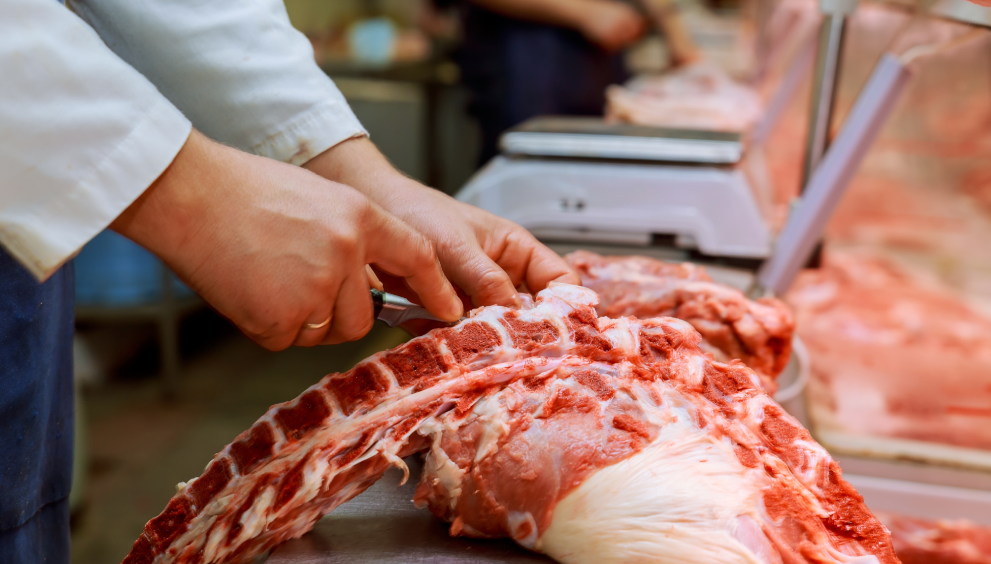
- The animal must be healthy, and a sharp knife must be used to make a swift, humane cut.
- The name of Allah must be invoked at the time of slaughter.
- Blood must be fully drained to comply with religious and hygienic standards.
These steps distinguish Zabiha meat from other Halal-certified or conventional meat.
Key Differences from Non-Zabiha Meat
1. Slaughtering Method
- Zabiha requires a specific ritual that is both ethical and religious.
- Non-Zabiha Halal meat may not always follow the exact ritual or invocation process.
- Conventional meat often lacks any religious slaughter protocol.
2. Ethical Treatment
- Zabiha emphasizes minimizing the suffering of the animal.
- Animals are well-treated before slaughter and handled humanely during the process.
- This ethical approach is a central principle of Zabiha meat.
3. Blood Drainage
- Complete draining of blood is mandatory in Zabiha.
- Reduces bacterial growth and enhances meat hygiene.
- Non-Zabiha or standard Halal meat may not always achieve complete blood drainage.
4. Certification and Traceability
- Zabiha meat comes with certified Halal documentation and traceable sources.
- Ensures adherence to religious standards from farm to fork.
- Conventional meat often lacks this level of verification.
5. Quality and Freshness
- The Zabiha process preserves meat texture, flavor, and nutritional value.
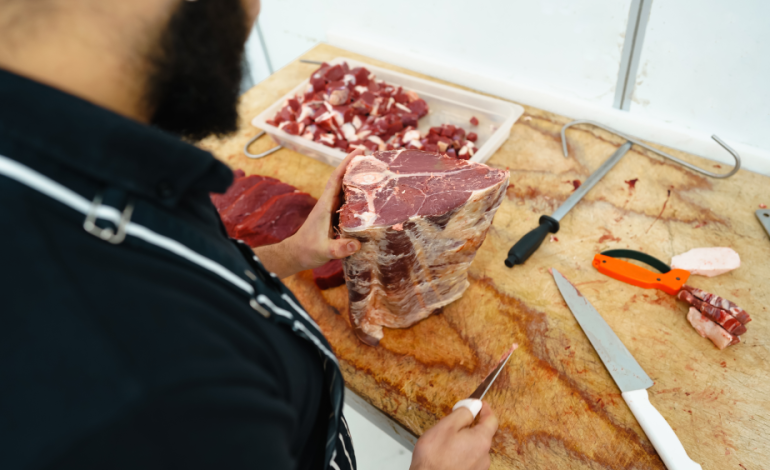
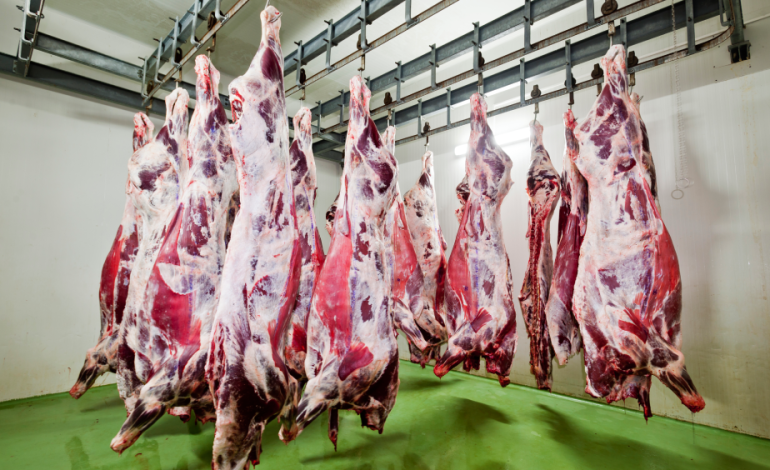
- Proper handling and chilling after slaughter maintain quality.
- Non-Zabiha meat may compromise on freshness due to less rigorous handling.
Why Zabiha Matters for Consumers
- Provides assurance of religious compliance and ethical sourcing.
- Guarantees better hygiene, safety, and freshness.
- Supports responsible farming and humane animal treatment.
- Offers peace of mind for families seeking trustworthy Halal meat.
Tips for Identifying Authentic Zabiha Meat
- Look for credible Halal certification and Zabiha labeling.
- Purchase from reputable suppliers with traceable sourcing.
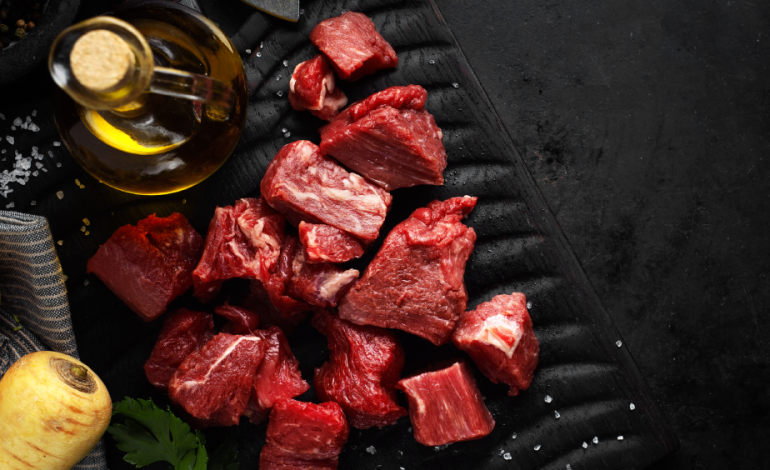
- Inspect meat for freshness, color, and texture.
- Ask questions about the slaughterhouse, processing, and handling practices.
Conclusion
Zabiha meat is more than just Halal; it represents a commitment to religious compliance, ethical treatment, and high-quality meat. The careful slaughtering process, complete blood drainage, humane handling, and rigorous certification distinguish Zabiha from other Halal or conventional meats.
By choosing authentic Zabiha meat, consumers ensure that every meal is safe, ethically sourced, and aligned with their religious and nutritional standards.