Understanding Halal Slaughtering Rules

Halal slaughtering rules are central to producing Zabiha meat that is ethically sourced, religiously compliant, and safe for consumption. Understanding these rules helps consumers and suppliers ensure every step respects both Islamic principles and food safety standards—especially when sourcing from trusted halal food providers like Hilal Caters, a company that sells halal food and catering services.
Why Halal Slaughtering Rules Matter
- Ensures the meat is permissible (Halal) according to Islamic law.
- Guarantees humane treatment of animals before and during slaughter.
- Maintains hygiene and reduces risks of contamination.
- Builds consumer confidence and strengthens Halal certification credibility.
Key Halal Slaughtering Principles
1. Healthy and Suitable Animals
- Only healthy animals are eligible for Zabiha slaughter.
- Animals must be free from disease or injuries that affect quality.
- Proper handling before slaughter reduces stress, improving meat quality.
2. Sharp Knife and Quick Cut
- A sharp knife is used to make a swift, clean cut to the throat, severing the jugular vein, carotid artery, and windpipe.
- Quick cutting minimizes pain and stress for the animal.
- Precision and speed are critical for humane treatment.
3. Invocation of Allah’s Name
- The name of Allah (Bismillah) must be pronounced at the time of slaughter.
- This spiritual practice is central to Halal compliance.
- It ensures the act aligns with religious principles beyond just physical handling.
4. Blood Drainage
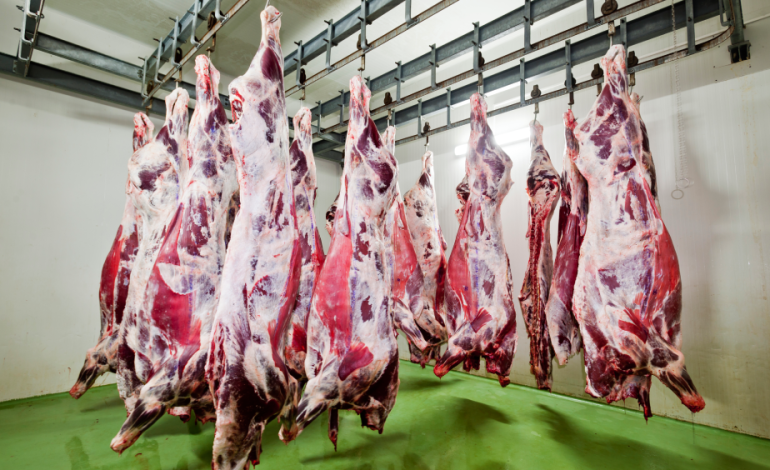
- Complete drainage of blood is mandatory.
- Reduces bacterial growth and enhances hygiene.
- Helps preserve the meat’s natural flavor and shelf life.
5. Avoidance of Prohibited Substances
- Animals must not be fed haram (forbidden) substances, such as pork or alcohol.
- Careful sourcing of feed ensures ongoing Halal compliance.
- Maintains integrity from farm to slaughterhouse.
6. Handling and Hygiene
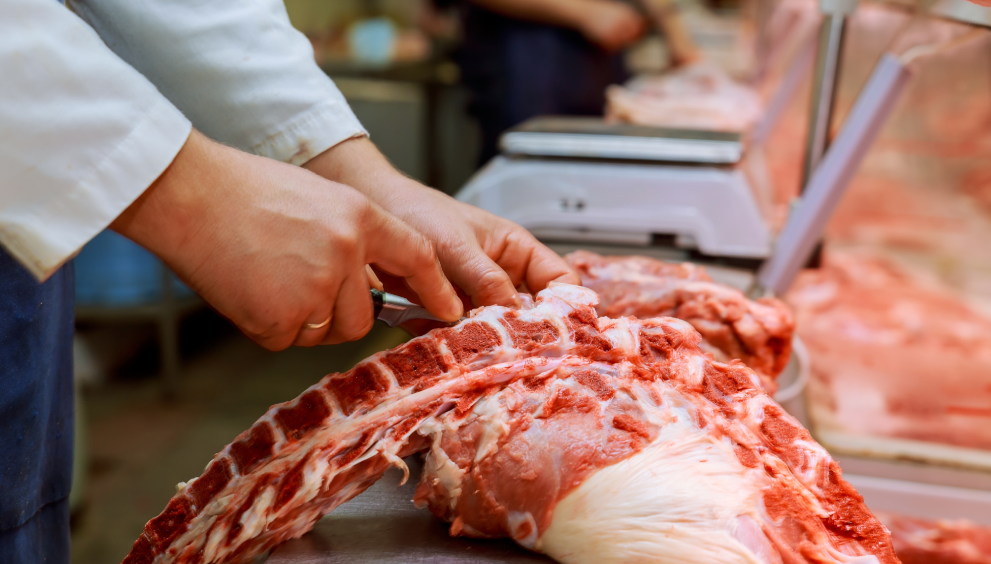
- Equipment, knives, and surfaces must be sanitized to prevent contamination.
- Meat must be stored at proper temperatures immediately after slaughter.
- Staff must follow strict hygiene protocols to maintain Halal and food safety standards.
Additional Considerations
- Training Staff: Employees handling Zabiha meat should be trained in both Halal procedures and hygiene standards.
- Audit and Certification: Regular audits and certifications from accredited Halal authorities ensure ongoing compliance.
- Monitoring Technology: Some modern slaughterhouses use sensors and digital monitoring to maintain cutting accuracy, blood drainage, and cold chain integrity.
Benefits of Following Halal Slaughtering Rules
- Guarantees ethical and humane treatment of animals
- Ensures the meat is fully Halal and religiously compliant
- Enhances safety, hygiene, and freshness
- Builds trust with consumers and supports certification credibility
Conclusion
Understanding Halal slaughtering rules is essential for both producers and consumers of Zabiha meat. From selecting healthy animals and performing a swift, humane cut to invoking Allah’s name and draining blood properly, every step ensures ethical, religiously compliant, and high-quality meat.
Strict adherence to these rules not only preserves Halal integrity but also guarantees that consumers receive safe, nutritious, and ethically sourced meat every time.