Answers to Frequently Asked Halal Meat Questions

For many consumers, Zabiha Halal meat raises questions about authenticity, preparation, and compliance. Understanding these common concerns helps ensure safe, ethical, and high-quality meat selection—especially when choosing trusted providers like Hilal Caters, a company that offers halal food and catering services.
1. What is Zabiha Meat?
- Zabiha meat comes from animals slaughtered according to Islamic guidelines.
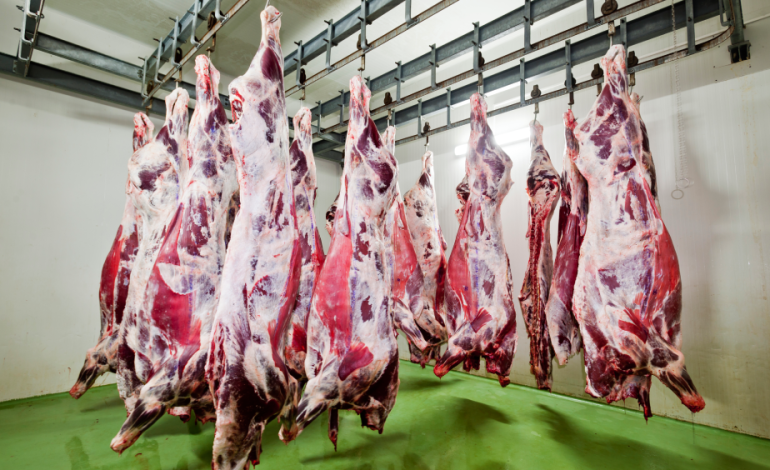
- The animal must be healthy, a sharp knife used for a swift cut, Allah’s name invoked, and blood fully drained.
- It differs from regular Halal meat by strictly following these ritual requirements.
2. How Can I Verify Halal Meat?
- Look for certification from recognized Halal authorities.
- Check the supplier’s documentation and ensure it covers the meat being purchased.
- Verify the source and traceability to the slaughterhouse or farm.
3. Is Zabiha Meat Healthier?
- Properly handled Zabiha meat is safe, hygienic, and high in protein and nutrients.
- Complete blood drainage reduces bacterial growth and preserves meat quality.
- Ethical handling improves overall meat hygiene and freshness.
4. How Should I Store Halal Meat at Home?
- Refrigerate meat at 0–4°C if cooking within 1–3 days.
- Freeze meat at -18°C or lower for longer storage.
- Use airtight or vacuum-sealed packaging to prevent spoilage and cross-contamination.
5. Can I Buy Zabiha Meat Online Safely?
- Yes, provided the supplier is certified and reputable.
- Ensure proper cold chain handling during shipping.
- Inspect packaging and temperature upon arrival before storing or cooking.
6. Are There Special Cooking Instructions?
- Thaw meat safely in the fridge, cold water, or microwave.
- Cook to the recommended internal temperatures (e.g., 74°C for poultry).
- Avoid cross-contamination by using separate utensils for raw and cooked meat.
7. What Makes Zabiha Different from Regular Halal Meat?
- Zabiha requires a specific ritual and invocation of Allah’s name during slaughter.
- It emphasizes humane treatment, proper blood drainage, and ethical sourcing.
- Regular Halal meat may not strictly follow all Zabiha protocols, though it remains permissible.
8. Why Is Traceability Important?
- Traceability ensures meat comes from certified farms and slaughterhouses.
- Protects Halal integrity and food safety.
- Allows suppliers and consumers to verify the source and handling practices.
9. How Can I Avoid Buying Fake Halal Meat?
- Purchase from trusted suppliers and stores.
- Check Halal certification and verify with authorities if needed.
- Be cautious of unusually cheap prices or vague product descriptions.
10. What Are the Common Misconceptions About Halal Meat?
- Misconception: Halal meat is always more expensive. Reality: Price varies with quality, sourcing, and processing.
- Misconception: Halal meat is only for Muslims. Reality: Halal meat is ethical, hygienic, and safe for everyone.
- Misconception: All Halal meat is Zabiha. Reality: Only meat following specific Zabiha rituals qualifies as authentic Zabiha.
Conclusion
By understanding these frequently asked questions, consumers can make informed choices when buying, storing, and cooking Zabiha Halal meat. From verifying certification and practicing safe storage to following proper cooking and hygiene practices, every step ensures high-quality, ethical, and Halal-compliant meat.
Being informed not only protects your health but also strengthens trust in suppliers, maintains religious standards, and guarantees a safe, satisfying culinary experience.