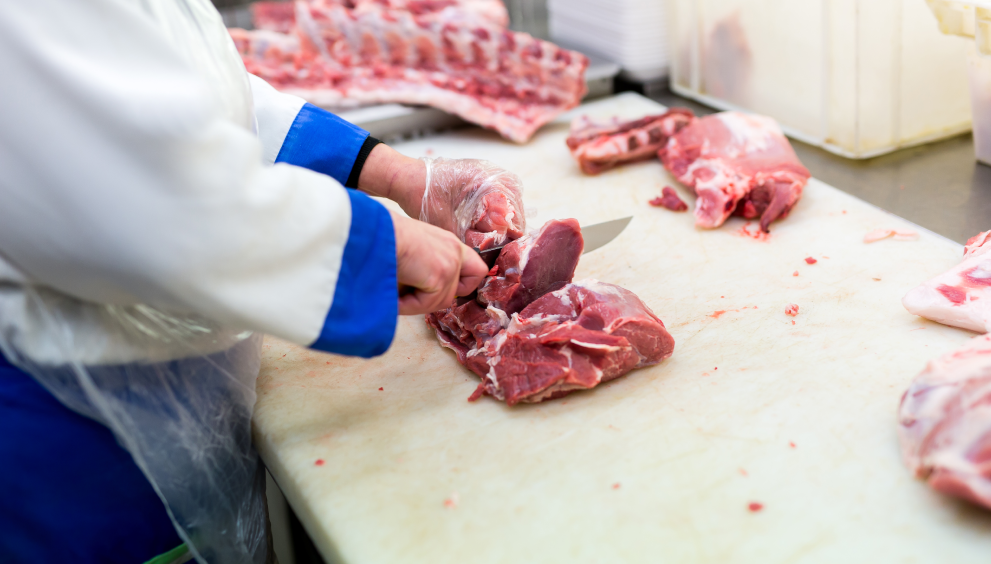
Step-by-Step Guide to Halal Slaughterhouse Certification

For any slaughterhouse aiming to serve the Halal market, obtaining Zabiha certification is essential. It not only confirms religious compliance but also builds trust with consumers, retailers, and regulators. Understanding the certification process can help facilities streamline operations and maintain consistent Halal standards—especially
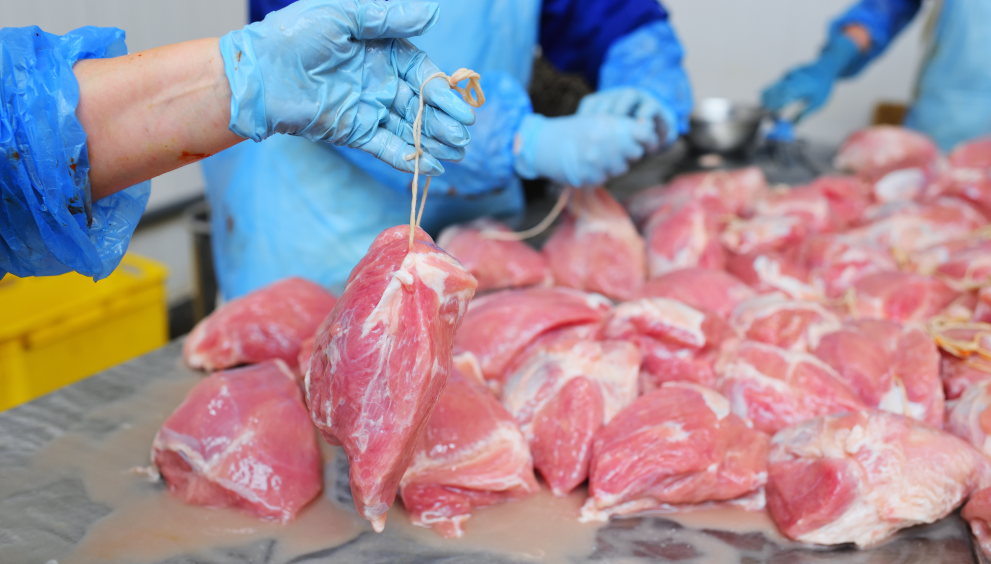
Common Mistakes to Avoid in Halal Certification
Zabiha certification is essential for any slaughterhouse that wants to supply Halal meat. While the process is clear, many facilities make avoidable mistakes that can delay certification, compromise compliance, or damage their reputation. Understanding these common pitfalls helps ensure a smooth certification process
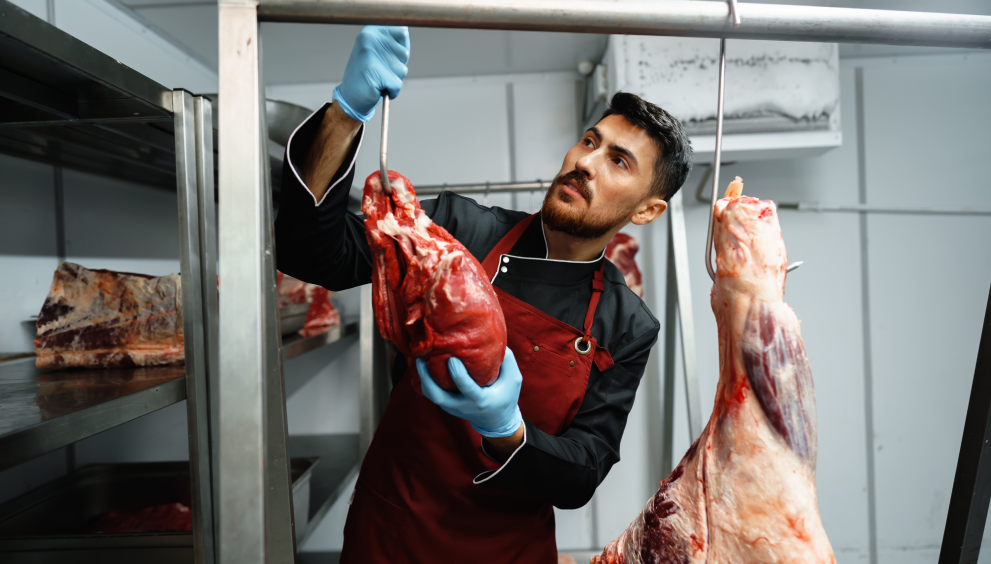
Understanding Halal Compliance Inspections
For Zabiha-certified slaughterhouses, Halal compliance inspections are a cornerstone of maintaining credibility and consumer trust. These inspections ensure that every step, from animal handling to meat processing, adheres to Islamic principles and ethical standards. Understanding how inspections work can help facilities stay compliant
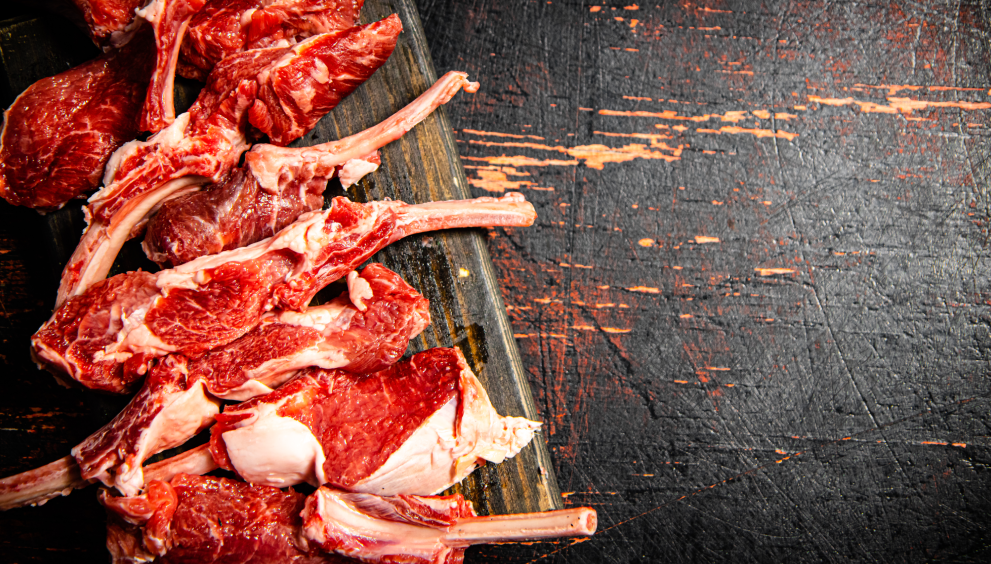
What Auditors Look for in a Zabiha Slaughterhouse
Halal certification is only as strong as the inspections behind it. For a slaughterhouse to maintain its Zabiha status, auditors carefully examine every aspect of operations. Understanding what auditors focus on helps facilities stay compliant, maintain quality, and uphold consumer trust—especially when sourcing
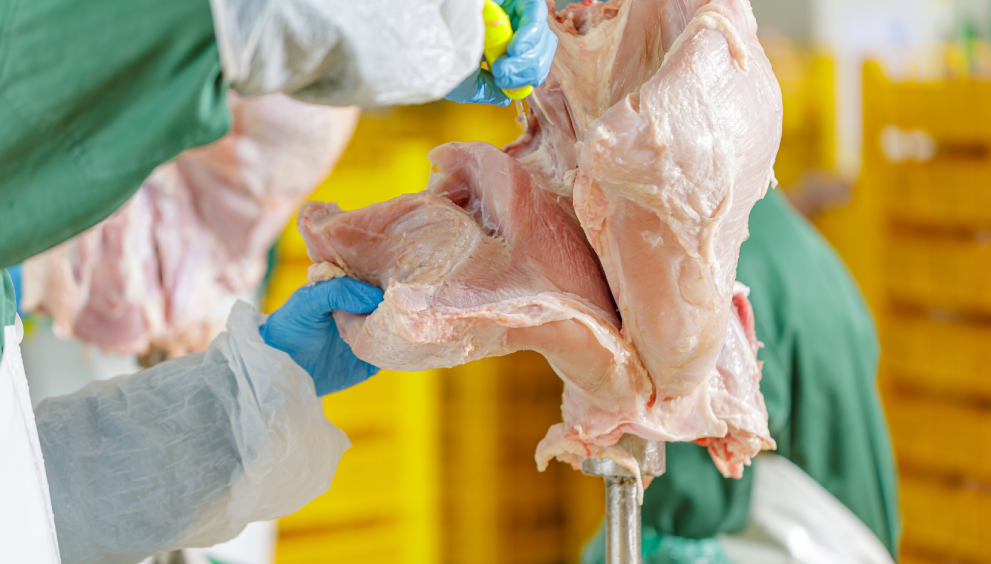
Maintaining Continuous Halal Compliance
Obtaining Zabiha certification is only the first step in ensuring Halal integrity. For a slaughterhouse, maintaining continuous compliance is just as important. Regular monitoring, staff training, and operational consistency ensure that every piece of meat meets Islamic, ethical, and hygiene standards—especially when sourcing
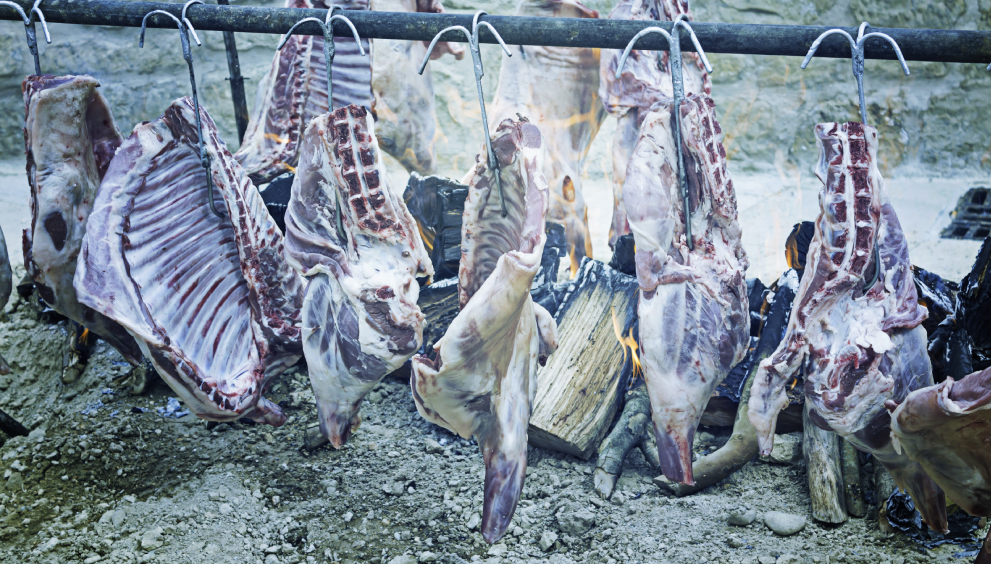
Ethical Treatment of Animals in Zabiha Slaughter
The foundation of Zabiha slaughter is not only religious compliance but also ethical treatment of animals. Ethical practices are essential for maintaining Halal integrity, ensuring animal welfare, and building consumer trust. Understanding and implementing these practices is critical for every Zabiha-certified slaughterhouse—especially when
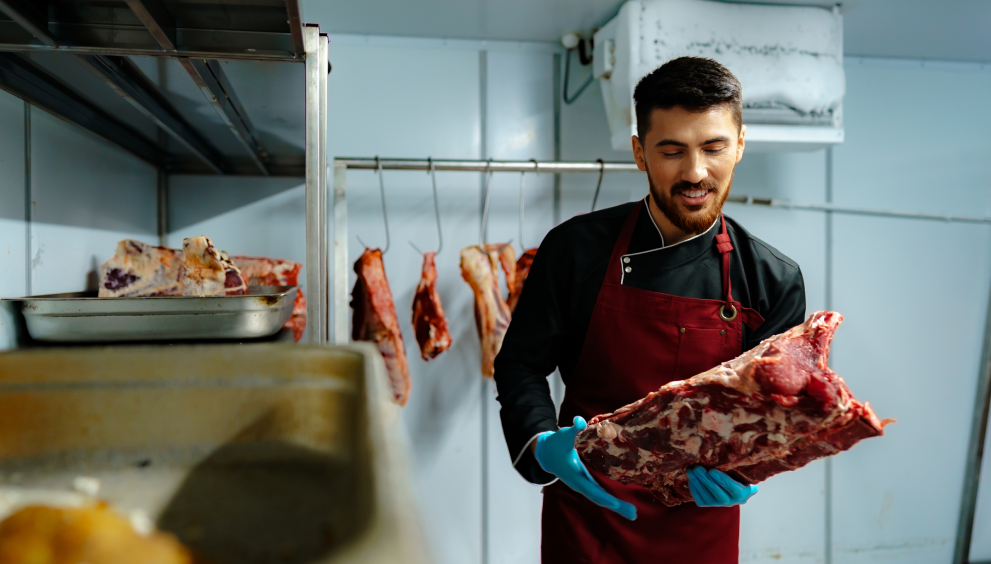
Why Humane Slaughter Matters in Halal Practices
Humane slaughter is at the heart of Zabiha certification. Beyond religious compliance, it ensures animal welfare, meat quality, and consumer confidence. Understanding why humane practices are critical helps slaughterhouses maintain ethical standards and uphold Halal integrity—especially when sourcing from trusted halal food providers
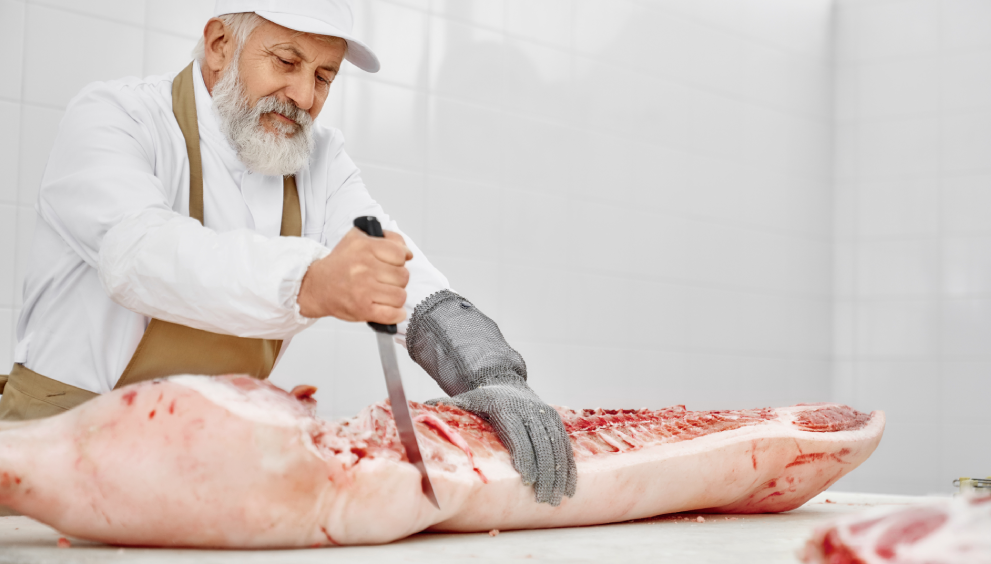
Innovations in Ethical Halal Slaughter Methods
The Halal meat industry is evolving, and ethical slaughter practices are at the forefront of this transformation. Modern technologies and innovative methods help Zabiha-certified slaughterhouses improve animal welfare, ensure compliance, and maintain meat quality, all while staying true to Islamic principles—especially when sourcing
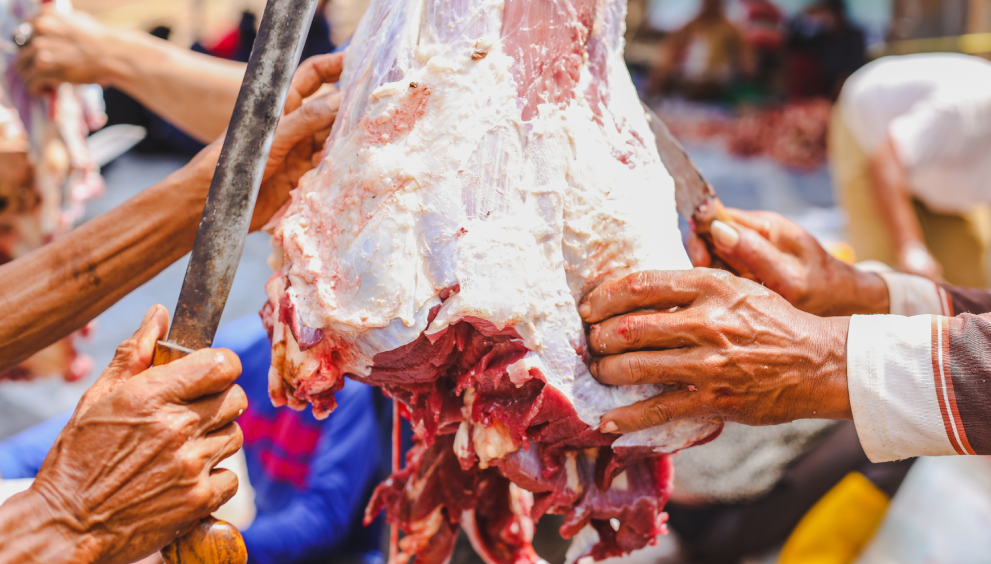
Traditional vs. Modern Halal Slaughter Techniques
Halal slaughter, or Zabiha, has been practiced for centuries, rooted in Islamic law and ethical principles. Over time, methods have evolved, blending tradition with modern techniques to ensure humane treatment, compliance, and meat quality. Understanding the differences between traditional and modern methods helps
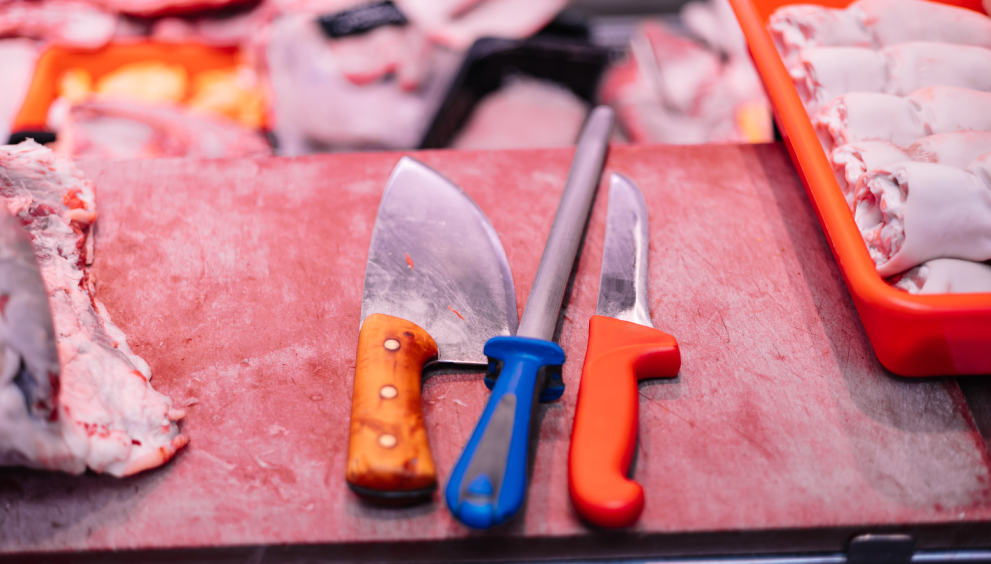
Tools and Equipment Used in Zabiha Slaughterhouses
Zabiha slaughterhouses rely on specialized tools and equipment to maintain Halal integrity, ensure humane treatment, and uphold hygiene standards. Proper equipment not only supports compliance with religious requirements but also improves efficiency, safety, and meat quality. Understanding the tools used in modern Zabiha