Reducing Stress in Animals During Slaughter

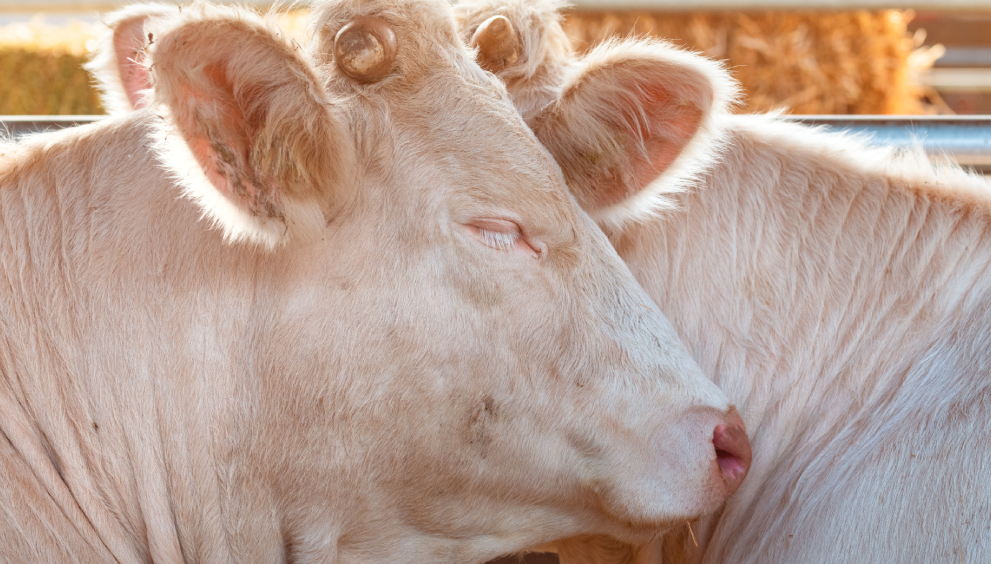
Minimizing stress in animals during Zabiha slaughter is essential for ethical treatment, Halal compliance, and meat quality. Stress can affect both the well-being of the animal and the quality of the final product, making it a top priority for modern slaughterhouses. By adopting
Best Practices for Halal Meat Cutting
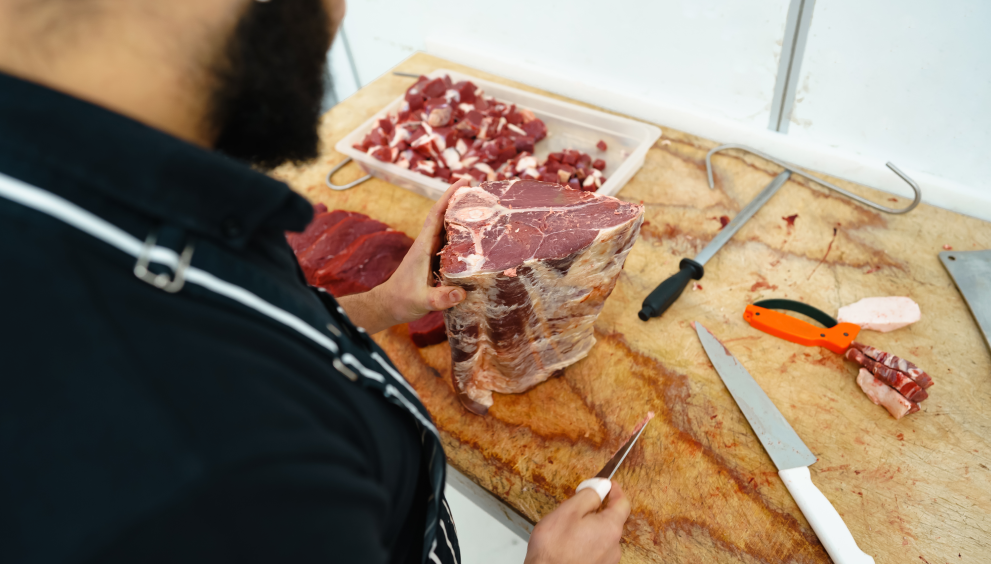
Cutting meat in Zabiha slaughterhouses is more than just portioning—it ensures Halal compliance, maintains hygiene, and preserves meat quality. Proper techniques, equipment, and staff training are essential for delivering meat that meets ethical, religious, and consumer standards—especially when sourcing from trusted halal food
Packaging Halal Meat for Maximum Freshness
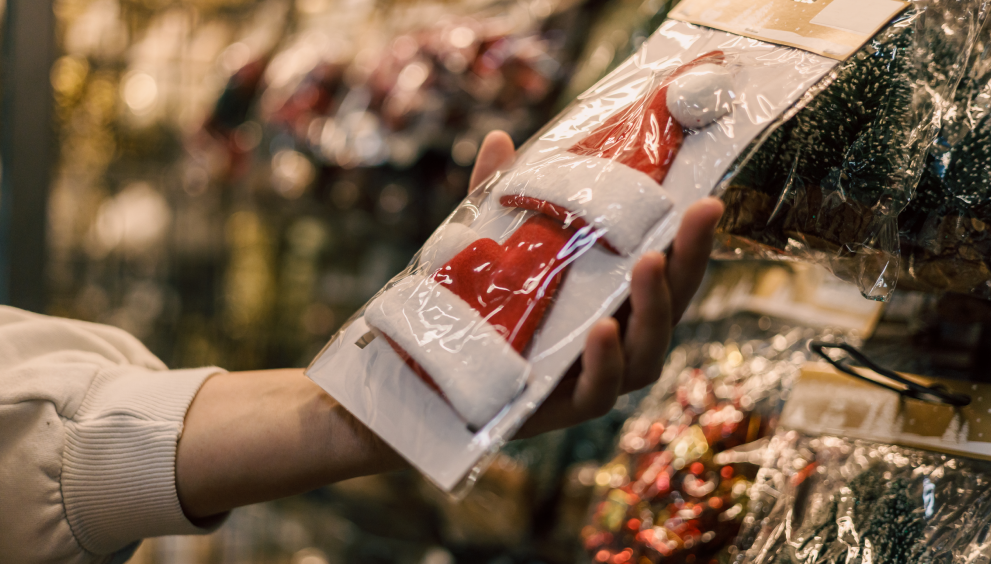
Packaging is a crucial step in Zabiha slaughterhouses, ensuring that Halal meat reaches consumers safely, hygienically, and with optimal quality. Proper packaging methods preserve freshness, prevent contamination, and maintain Halal integrity, which is essential for both religious compliance and consumer trust—especially when sourcing
Temperature Control and Food Safety Tips for Halal Meat
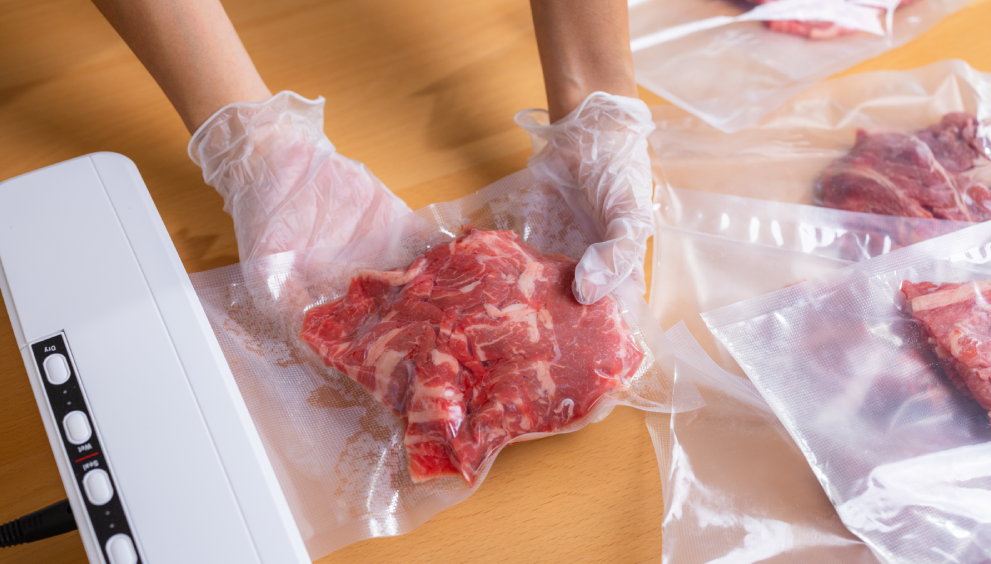
Proper temperature control and food safety are critical in Zabiha slaughterhouses, storage facilities, and during transportation. Maintaining the right conditions preserves Halal integrity, prevents bacterial contamination, and ensures consumers receive high-quality, safe meat. Understanding best practices is essential for every facility handling Halal
Cold Chain Management for Halal Meat
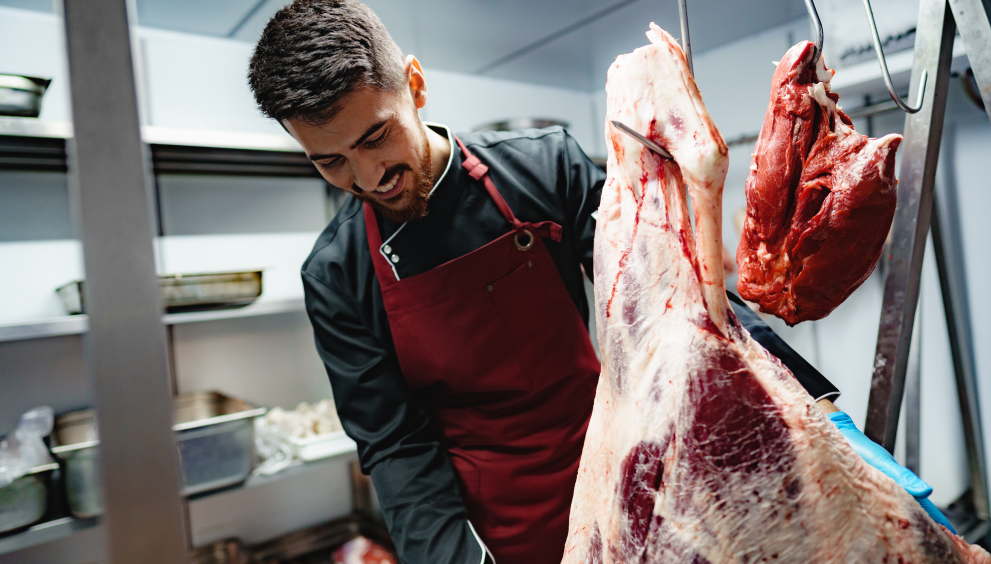
Maintaining a consistent cold chain is critical in Zabiha slaughterhouses and distribution systems. Halal meat is highly perishable, and any lapse in temperature control can compromise food safety, Halal integrity, and meat quality. Effective cold chain management ensures that meat remains fresh, hygienic,
Ensuring Quality During Transportation of Halal Meat
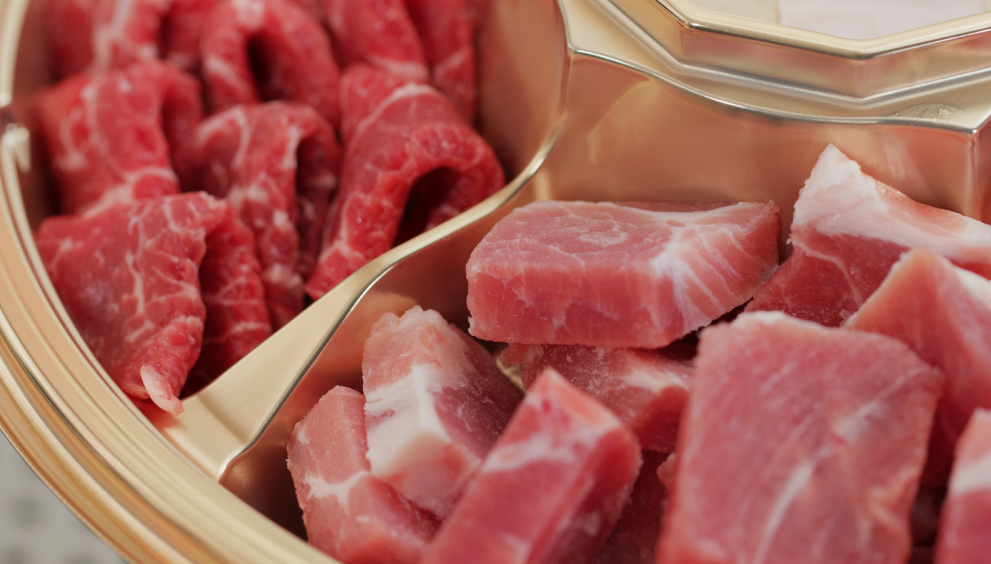
Transportation is a critical stage in the Zabiha meat supply chain. Even after proper slaughter, cutting, and packaging, meat quality can deteriorate if transportation is poorly managed. Maintaining strict controls ensures Halal integrity, food safety, and consumer trust—especially when sourcing from trusted halal
Tracking & Traceability of Zabiha Meat
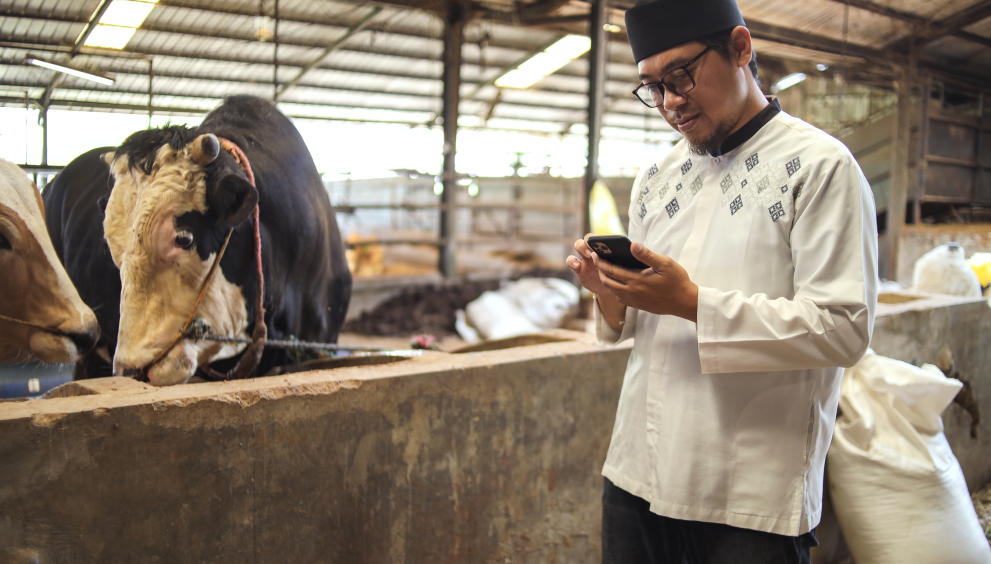
In today’s Halal meat industry, tracking and traceability are vital for ensuring quality, safety, and Halal integrity. Consumers, regulators, and retailers demand transparency about where and how meat is produced. Implementing robust tracking systems allows Zabiha slaughterhouses and distributors to maintain accountability and
Nutritional Benefits of Halal Meat
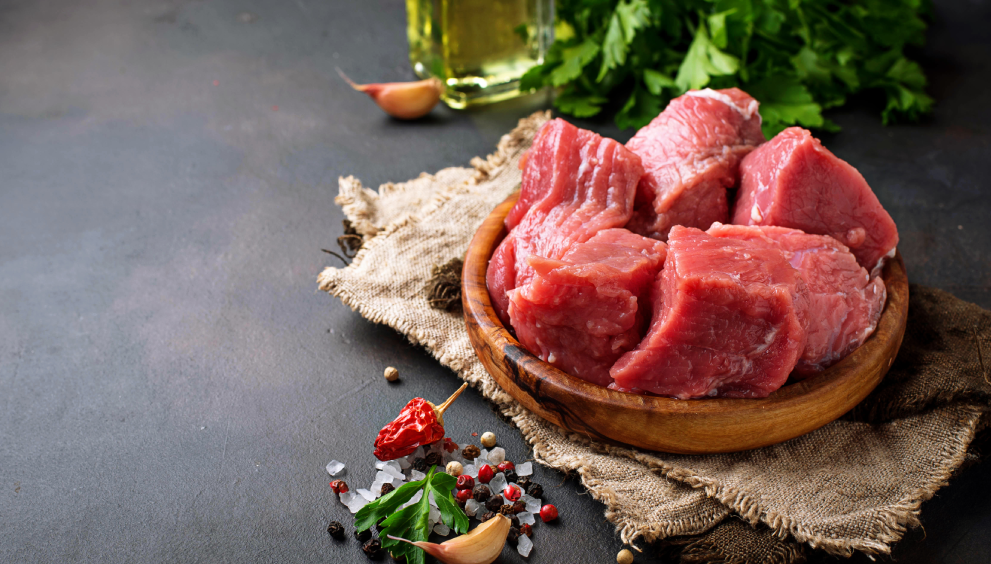
Halal meat, prepared according to Zabiha guidelines, is not only ethically and religiously compliant but also packed with essential nutrients that support a healthy diet. Understanding its nutritional value helps consumers make informed choices for wellbeing while enjoying ethically sourced meat—especially when sourcing
Comparing Zabiha Meat vs. Non-Halal Meat
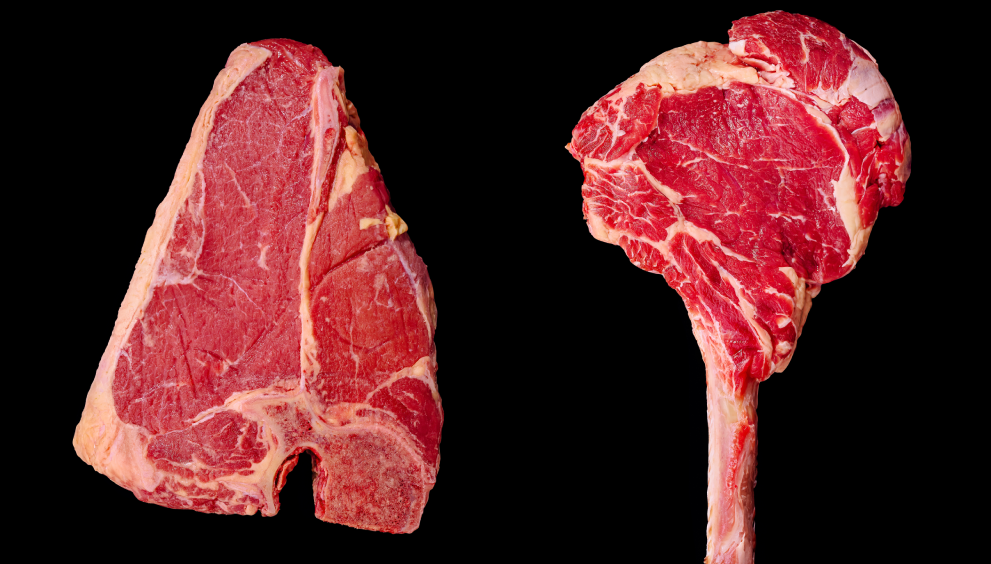
Choosing Halal meat is about more than religious compliance—it also impacts quality, safety, and nutrition. Comparing Zabiha-certified meat to non-Halal alternatives highlights the benefits of ethical slaughter and proper handling practices—especially when sourcing from trusted halal food providers like Hilal Caters, a company
Protein-Rich Recipes Using Halal Meat
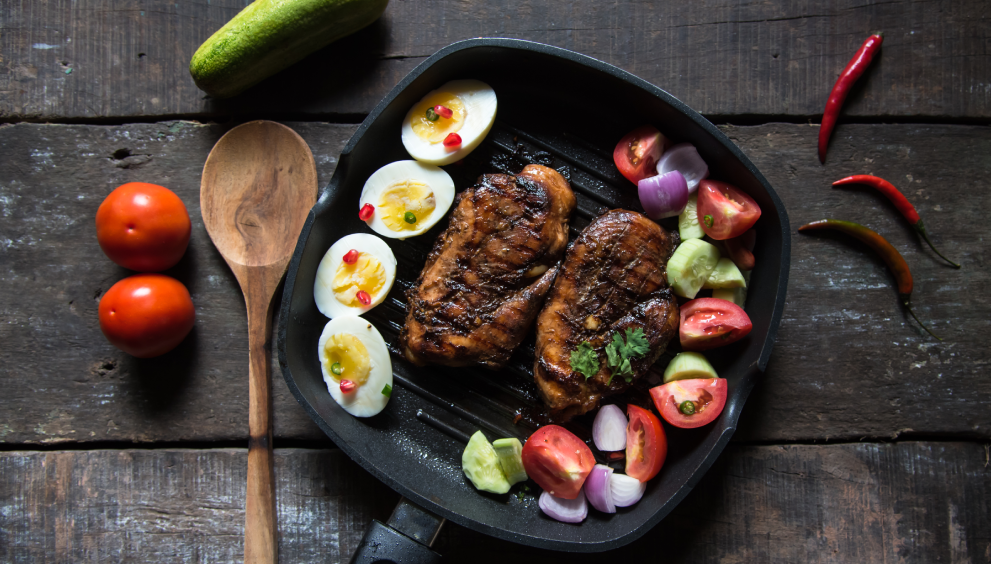
Halal meat is not only ethically sourced and nutritious but also incredibly versatile in the kitchen. Rich in high-quality protein and essential nutrients, it forms the perfect base for meals that support muscle growth, energy, and overall health. Here are some practical ways