Best Practices for Halal Meat Cutting

Cutting meat in Zabiha slaughterhouses is more than just portioning—it ensures Halal compliance, maintains hygiene, and preserves meat quality. Proper techniques, equipment, and staff training are essential for delivering meat that meets ethical, religious, and consumer standards—especially when sourcing from trusted halal food providers like Hilal Caters, a company that sells halal food and catering services.
The Importance of Proper Meat Cutting
Halal meat cutting is critical for several reasons:
- Religious Compliance: Proper handling and cutting prevent contamination and ensure Halal integrity.
- Hygiene and Safety: Accurate cutting reduces the risk of bacterial contamination and maintains a clean processing environment.
- Quality and Presentation: Correct cuts enhance meat texture, flavor, and appearance for consumers.
Key Practices in Halal Meat Cutting
- Use Sharp, Clean Knives
Dull knives can tear meat, increase processing time, and stress the animal if cutting continues immediately after slaughter. Always use sharp, sanitized knives to ensure clean, precise cuts. - Segment by Meat Type
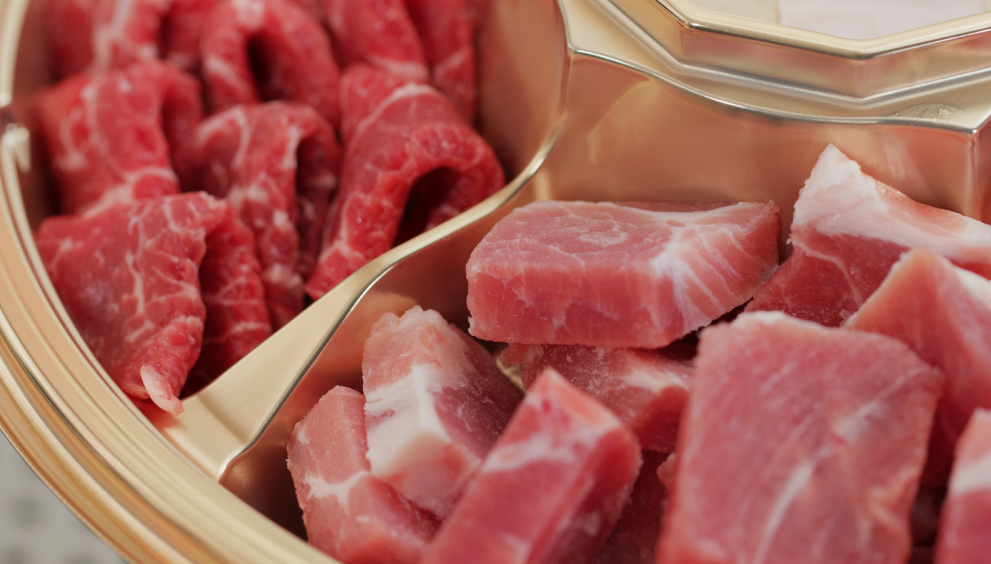
Different cuts—such as ribs, loin, or shoulder—require different techniques. Proper segmentation ensures consistency, improves cooking outcomes, and satisfies consumer expectations. - Separate Halal and Non-Halal Areas
Maintaining strict separation prevents cross-contamination. Slaughterhouses must dedicate cutting areas, utensils, and staff for Halal meat only. - Temperature Control During Cutting
Meat should be kept at appropriate cold storage temperatures during processing. Cold handling reduces bacterial growth and preserves freshness. - Staff Training
Cutting requires skilled staff familiar with both meat anatomy and Halal requirements. Regular training ensures accurate cuts, consistent quality, and adherence to hygiene standards. - Use Proper Cutting Surfaces
Non-porous, easy-to-clean surfaces prevent contamination. Cutting boards, tables, and trays should be sanitized between uses and resistant to corrosion or damage.
Advanced Techniques and Tools
Modern Zabiha slaughterhouses increasingly adopt technology to improve cutting practices:
- Automated Cutting Machines: Ensure uniform portioning and reduce human error.
- Digital Scales and Portioning Systems: Maintain consistency in meat weight and size.
- Hygiene Monitoring Tools: Sensors and checklists ensure sanitation standards are consistently met.
These tools help facilities maintain high-quality meat while supporting compliance with Halal regulations.
Quality Control Measures
To maintain Halal integrity, facilities should implement strict quality control:
- Visual Inspection: Check for contamination, bruising, or improper cuts.
- Temperature Monitoring: Ensure meat remains within safe storage ranges.
- Documentation: Keep records of staff training, cutting procedures, and sanitation checks.
Regular audits reinforce consistency and reliability, supporting both religious and consumer trust.
Benefits of Best Practices
Implementing best practices in meat cutting benefits both facilities and consumers:
- Halal Compliance: Meets Sharia requirements and certification standards.
- Improved Meat Quality: Enhances texture, flavor, and shelf life.
- Consumer Trust: Ethical handling and hygiene increase confidence in the product.
- Operational Efficiency: Skilled staff and standardized techniques reduce waste and errors.
Conclusion
Halal meat cutting is a precise, skilled process that combines tradition, hygiene, and quality control. By following best practices—using sharp knives, maintaining strict separation, controlling temperature, and training staff—Zabiha slaughterhouses can ensure that every cut of meat is Halal-compliant, safe, and high-quality.
Adopting advanced tools, monitoring, and consistent procedures further strengthens compliance and efficiency, allowing facilities to deliver superior Halal meat while upholding ethical and religious standards.