Traditional vs. Modern Halal Slaughter Techniques

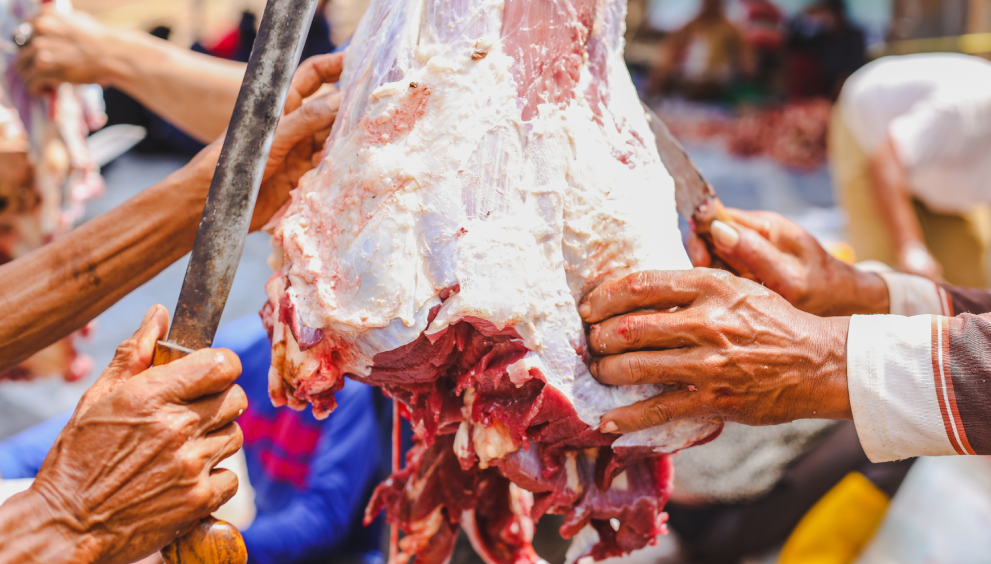
Halal slaughter, or Zabiha, has been practiced for centuries, rooted in Islamic law and ethical principles. Over time, methods have evolved, blending tradition with modern techniques to ensure humane treatment, compliance, and meat quality. Understanding the differences between traditional and modern methods helps
Tools and Equipment Used in Zabiha Slaughterhouses
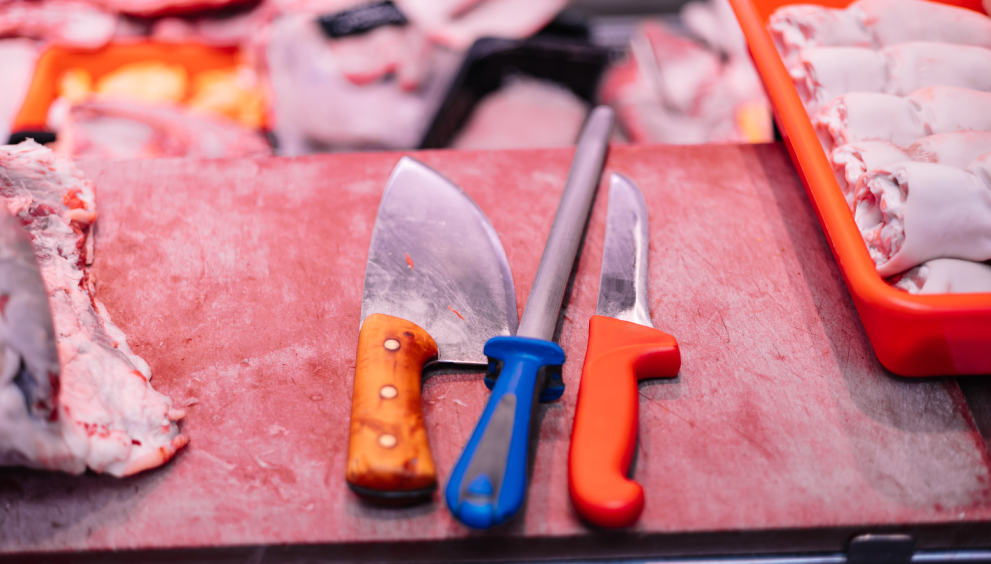
Zabiha slaughterhouses rely on specialized tools and equipment to maintain Halal integrity, ensure humane treatment, and uphold hygiene standards. Proper equipment not only supports compliance with religious requirements but also improves efficiency, safety, and meat quality. Understanding the tools used in modern Zabiha
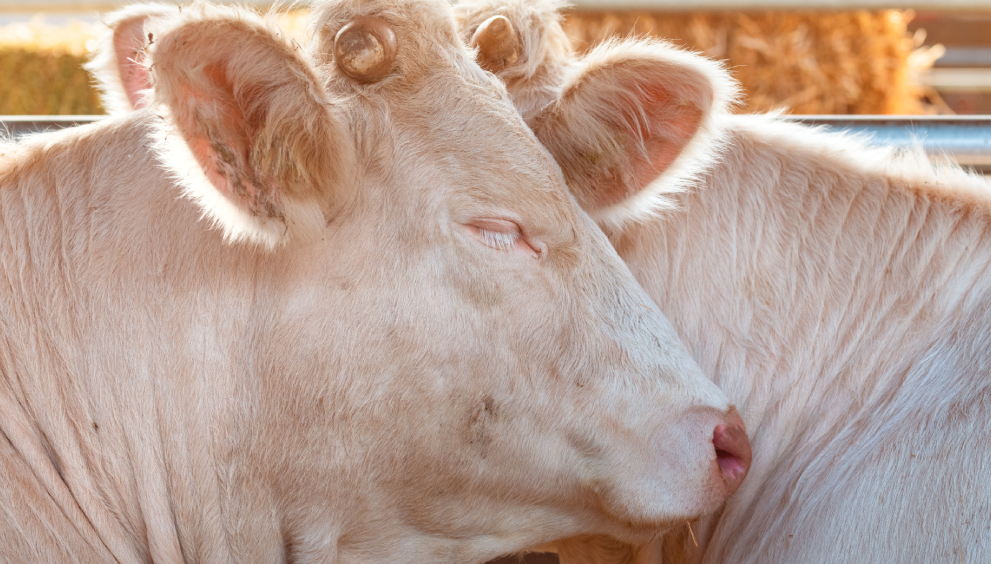
Reducing Stress in Animals During Slaughter
Minimizing stress in animals during Zabiha slaughter is essential for ethical treatment, Halal compliance, and meat quality. Stress can affect both the well-being of the animal and the quality of the final product, making it a top priority for modern slaughterhouses. By adopting
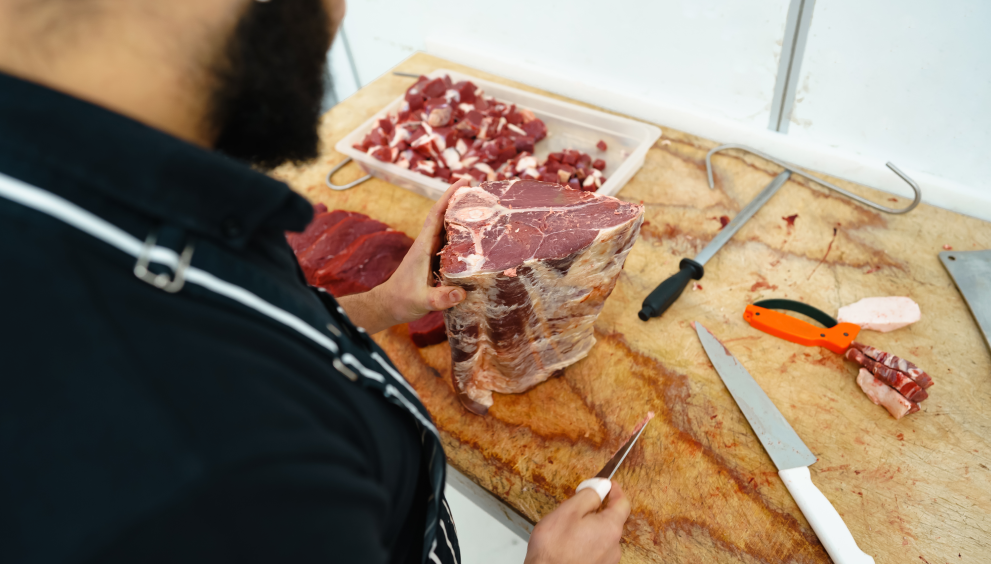
Best Practices for Halal Meat Cutting
Cutting meat in Zabiha slaughterhouses is more than just portioning—it ensures Halal compliance, maintains hygiene, and preserves meat quality. Proper techniques, equipment, and staff training are essential for delivering meat that meets ethical, religious, and consumer standards—especially when sourcing from trusted halal food
Packaging Halal Meat for Maximum Freshness
Packaging is a crucial step in Zabiha slaughterhouses, ensuring that Halal meat reaches consumers safely, hygienically, and with optimal quality. Proper packaging methods preserve freshness, prevent contamination, and maintain Halal integrity, which is essential for both religious compliance and consumer trust—especially when sourcing
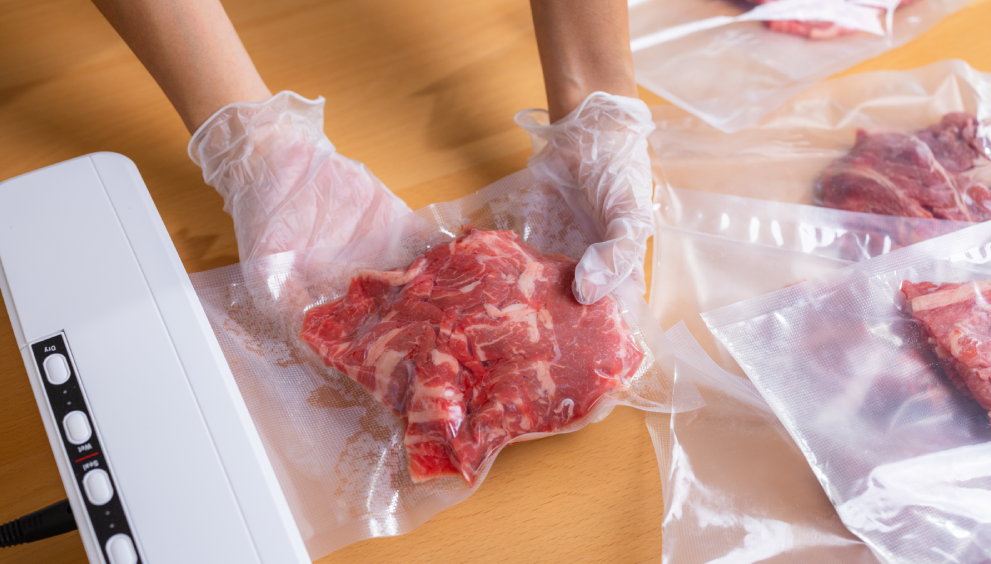
Temperature Control and Food Safety Tips for Halal Meat
Proper temperature control and food safety are critical in Zabiha slaughterhouses, storage facilities, and during transportation. Maintaining the right conditions preserves Halal integrity, prevents bacterial contamination, and ensures consumers receive high-quality, safe meat. Understanding best practices is essential for every facility handling Halal
Cold Chain Management for Halal Meat
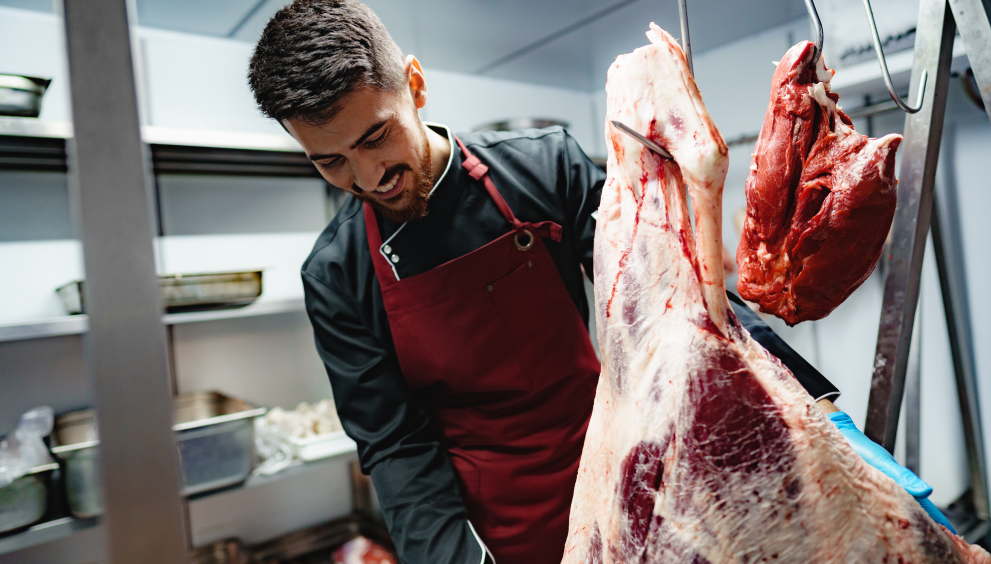
Maintaining a consistent cold chain is critical in Zabiha slaughterhouses and distribution systems. Halal meat is highly perishable, and any lapse in temperature control can compromise food safety, Halal integrity, and meat quality. Effective cold chain management ensures that meat remains fresh, hygienic,
Ensuring Quality During Transportation of Halal Meat
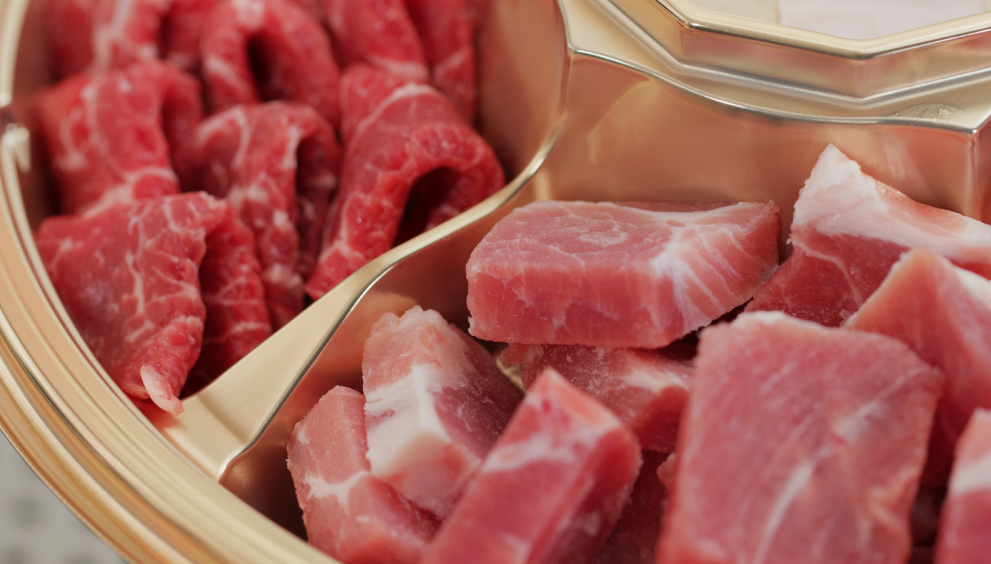
Transportation is a critical stage in the Zabiha meat supply chain. Even after proper slaughter, cutting, and packaging, meat quality can deteriorate if transportation is poorly managed. Maintaining strict controls ensures Halal integrity, food safety, and consumer trust—especially when sourcing from trusted halal
Tracking & Traceability of Zabiha Meat
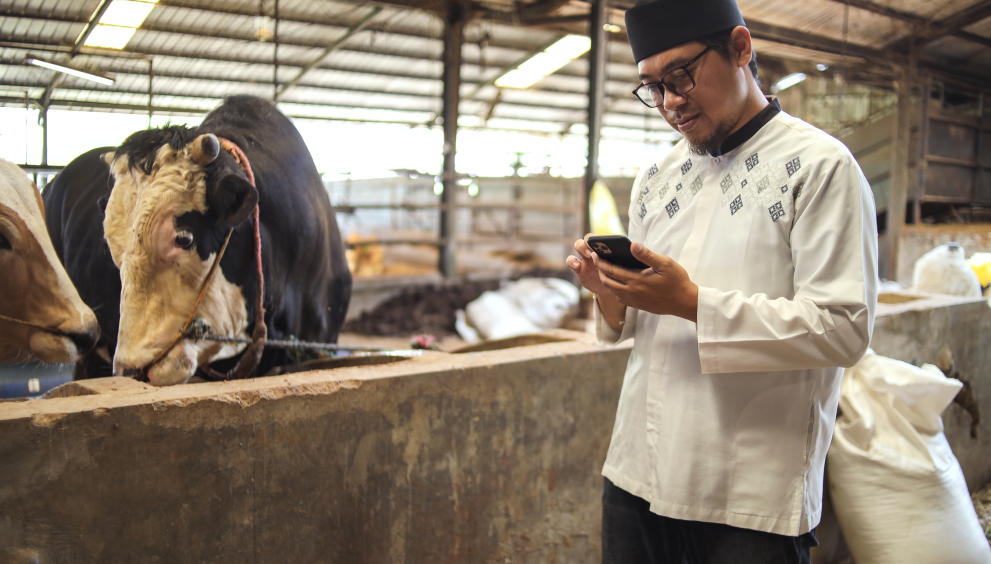
In today’s Halal meat industry, tracking and traceability are vital for ensuring quality, safety, and Halal integrity. Consumers, regulators, and retailers demand transparency about where and how meat is produced. Implementing robust tracking systems allows Zabiha slaughterhouses and distributors to maintain accountability and