Comparing Zabiha Meat vs. Non-Halal Meat

Choosing Halal meat is about more than religious compliance—it also impacts quality, safety, and nutrition. Comparing Zabiha-certified meat to non-Halal alternatives highlights the benefits of ethical slaughter and proper handling practices—especially when sourcing from trusted halal food providers like Hilal Caters, a company that sells halal food and catering services.
Ethical and Religious Compliance
Zabiha Meat:
- Slaughtered according to Islamic law with the name of Allah invoked.
- Ensures humane treatment and minimal suffering.
- Animals are healthy and disease-free at the time of slaughter.
Non-Halal Meat:
- Slaughter methods vary and may not follow religious or ethical guidelines.
- Handling and slaughter may compromise animal welfare.
- Risk of additives, hormones, or other non-compliant practices.
The ethical and spiritual integrity of Zabiha meat ensures that consumers can eat confidently according to their faith.
Health and Hygiene
Zabiha meat often demonstrates higher hygiene standards due to strict handling protocols:
- Proper Bleeding: Thorough blood drainage reduces toxins and improves digestibility.
- Minimal Contaminants: Halal-certified facilities avoid harmful additives, chemicals, or hormones.
- Controlled Environment: Regular audits, temperature control, and sanitation protocols maintain food safety.
Non-Halal meat may not always meet these standards, increasing the risk of contamination or spoilage.
Nutritional Quality
Protein and Micronutrients:
Zabiha meat provides high-quality protein with all essential amino acids. Proper handling ensures vitamins (B12, B6) and minerals (iron, zinc) remain intact.
Fat Content:
Zabiha meat from well-reared animals tends to have balanced fat profiles, including healthy omega-3 fatty acids, whereas some non-Halal meat may contain higher saturated fats due to animal diet or processing methods.
Digestibility
Zabiha practices enhance digestibility:
- Quick and precise slaughter reduces stress hormones in the meat.
- Thorough bleeding removes impurities, making meat easier on the digestive system.
Non-Halal meat may sometimes retain more stress-related compounds or toxins, affecting digestion and nutrient absorption.
Consumer Confidence and Traceability
Zabiha meat provides transparency:
- Farms, slaughterhouses, and distributors follow strict record-keeping.
- Traceability ensures every step is Halal-compliant.
- Certifications reassure consumers of ethical sourcing and safety.
Non-Halal meat may lack such traceability, leaving consumers uncertain about the origin and handling of the meat.
Taste and Quality
Ethical slaughter and careful handling in Zabiha meat often result in:
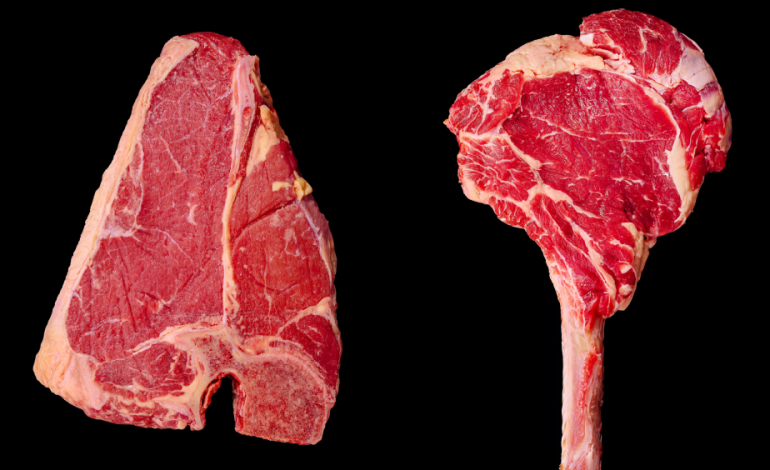
- Tender, well-textured cuts
- Better color and appearance
- Enhanced flavor due to minimal stress on the animal
Non-Halal meat quality varies, and inconsistent handling or slaughter practices can affect taste and texture.
Conclusion
Zabiha meat offers clear advantages over non-Halal alternatives in ethics, health, nutrition, and quality. From humane slaughter practices and rigorous hygiene standards to traceability and nutrient retention, Zabiha meat ensures consumers receive safe, wholesome, and ethically sourced food.
Choosing Halal-certified meat is not only a matter of faith—it is a commitment to high-quality, nutritious, and responsibly sourced meat that benefits health, conscience, and culinary experience.