Ensuring Quality During Transportation of Halal Meat

Transportation is a critical stage in the Zabiha meat supply chain. Even after proper slaughter, cutting, and packaging, meat quality can deteriorate if transportation is poorly managed. Maintaining strict controls ensures Halal integrity, food safety, and consumer trust—especially when sourcing from trusted halal food providers like Hilal Caters, a company that sells halal food and catering services.
Why Transportation Matters
Halal meat is highly perishable. Improper handling or temperature fluctuations during transport can:
- Accelerate bacterial growth and spoilage
- Affect meat texture, color, and flavor
- Compromise Halal integrity through contamination
- Reduce shelf life and consumer satisfaction
Ensuring quality during transportation is essential for delivering fresh, safe, and ethically compliant meat.
Best Practices for Transporting Halal Meat
- Maintain the Cold Chain
Temperature control is paramount. Meat should remain at 0–4°C for refrigerated transport and -18°C or below for frozen products. Use insulated vehicles or containers to prevent exposure to heat. - Proper Packaging
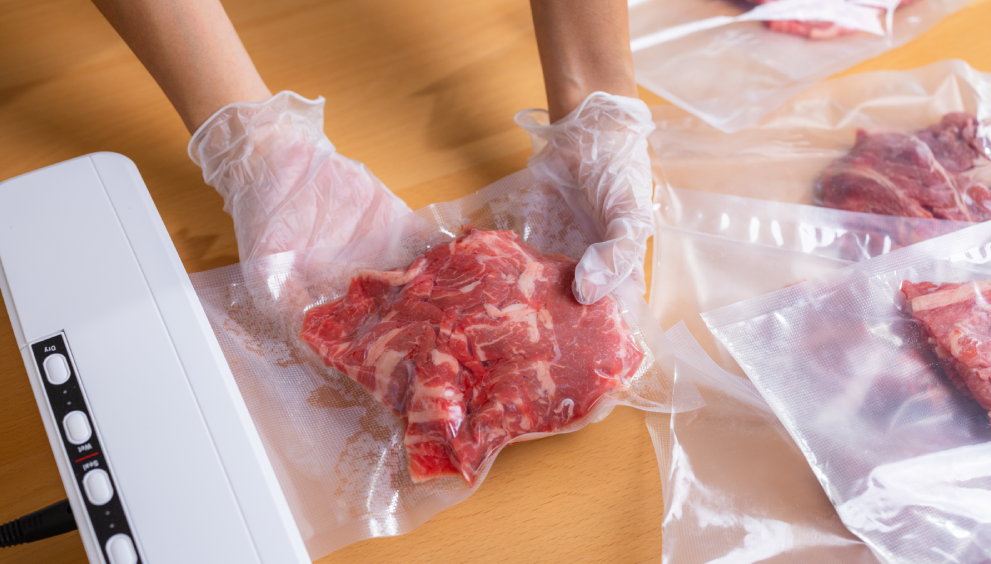
Packaging must protect meat from physical damage, contamination, and temperature fluctuations. Vacuum-sealed packs or modified atmosphere packaging (MAP) help maintain freshness and prevent bacterial growth. - Dedicated Halal Transport
Halal meat must be transported separately from non-Halal products. Dedicated vehicles, storage compartments, and tools prevent cross-contamination and maintain religious compliance. - Temperature Monitoring and Alerts
Digital sensors and IoT-enabled devices can continuously track temperature during transit. Automated alerts notify staff immediately if temperatures rise or fall outside safe ranges. - Minimize Transit Time
Reduce delays in transportation to ensure meat reaches its destination quickly. Proper route planning, real-time tracking, and coordination with distributors are critical. - Staff Training
Drivers and logistics personnel must understand Halal requirements, handling procedures, and the importance of maintaining hygiene and temperature control during transport.
Advanced Tools for Quality Assurance
Modern Halal meat logistics use technology to ensure consistent quality:
- GPS-Enabled Refrigerated Trucks: Track location and temperature in real-time.
- Data Logging Systems: Record temperature readings and transport conditions for audits.
- Remote Monitoring Platforms: Allow managers to intervene immediately if any deviations occur.
- Automated Alarms: Notify drivers or supervisors of potential issues during transport.
These innovations reduce human error and ensure that meat maintains freshness, safety, and Halal integrity.
Benefits of Proper Transportation Practices
- Preserves Meat Quality: Maintains texture, flavor, and appearance.
- Prevents Spoilage: Reduces bacterial contamination and foodborne risks.
- Maintains Halal Compliance: Protects ethical and religious standards.
- Enhances Consumer Trust: Reliable delivery strengthens confidence in the product.
- Operational Efficiency: Minimizes losses due to spoilage or damage.
Conclusion
Transporting Halal meat is a delicate process that requires careful planning, temperature control, proper packaging, and dedicated logistics. Facilities that implement best practices ensure that meat arrives fresh, safe, and compliant with Zabiha standards.
By leveraging modern monitoring tools, staff training, and efficient logistics strategies, slaughterhouses and distributors can protect meat quality, uphold Halal integrity, and build trust with consumers. Proper transportation is not just a step in the supply chain—it is a vital link that guarantees the ethical, religious, and commercial value of Halal meat.