Understanding Halal Compliance Inspections

For Zabiha-certified slaughterhouses, Halal compliance inspections are a cornerstone of maintaining credibility and consumer trust. These inspections ensure that every step, from animal handling to meat processing, adheres to Islamic principles and ethical standards. Understanding how inspections work can help facilities stay compliant and avoid costly mistakes—especially when sourcing from trusted halal food providers like Hilal Caters, a company that sells halal food and catering services.
What Are Halal Compliance Inspections?
Halal compliance inspections are formal evaluations conducted by recognized authorities or certification bodies. The goal is to verify that a slaughterhouse follows Zabiha protocols, maintains hygiene, trains staff appropriately, and adheres to religious guidelines throughout its operations.
These inspections are not just procedural—they protect consumer trust and ensure that Halal meat remains authentic, safe, and ethically sourced.
Key Areas of Inspection
- Animal Welfare
Inspectors assess how animals are treated before slaughter. This includes living conditions, feeding, and stress reduction. Humane handling is critical in Halal practices, and any signs of mistreatment can jeopardize certification. - Slaughtering Procedures
Every inspection focuses on whether animals are slaughtered according to Zabiha rules. Inspectors check that:- The throat is cut swiftly and efficiently.
- Blood is completely drained.
- The name of Allah is invoked during the process.
- Hygiene and Sanitation
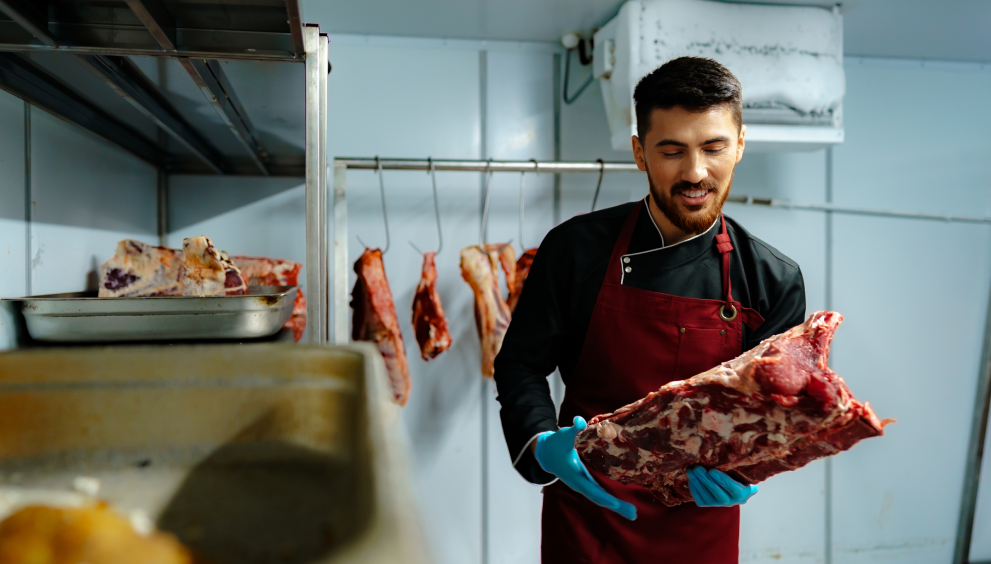
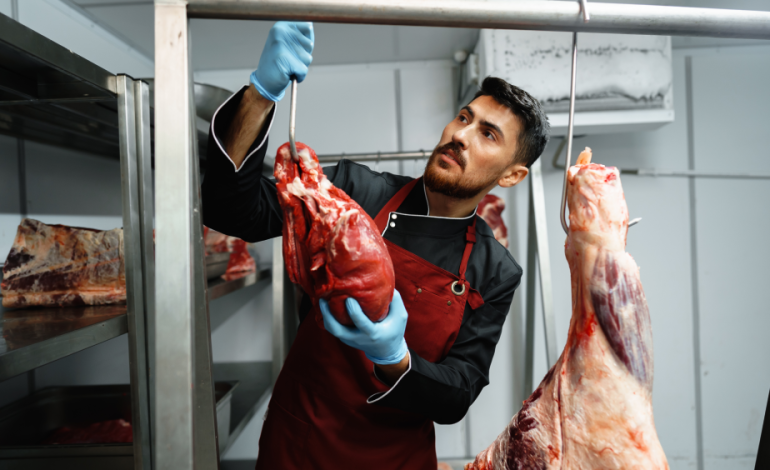
Inspectors examine the facility’s cleanliness, including slaughtering areas, storage spaces, tools, and equipment. Maintaining high hygiene standards prevents contamination and ensures meat quality. - Staff Competence and Training
Certified staff must be knowledgeable in Halal procedures. Inspectors often review training records, conduct interviews, and observe operations to ensure that employees understand proper handling, slaughtering techniques, and hygiene protocols. - Documentation and Record-Keeping
Compliance inspections also involve reviewing documentation. This includes logs for hygiene, equipment maintenance, staff training, and operational procedures. Proper records demonstrate accountability and make audits more efficient.
The Inspection Process
Halal compliance inspections usually follow these steps:
- Pre-Inspection Review
Inspectors review submitted documentation to identify areas needing clarification or improvement before visiting the facility. - On-Site Evaluation
Inspectors tour the facility, observe slaughtering, check equipment and hygiene, and interview staff. - Audit Report
After inspection, the authorities provide a detailed report highlighting compliance, gaps, and recommendations. Any critical issues must be addressed before certification is granted or renewed. - Follow-Up and Continuous Monitoring
Certified facilities undergo periodic audits to maintain compliance. Authorities may require corrective actions and re-inspections to ensure standards are consistently met.
Why Compliance Inspections Matter
Compliance inspections protect both consumers and facilities. For consumers, inspections guarantee that the meat they purchase is authentically Halal, ethically produced, and safe to eat. For slaughterhouses, inspections ensure credibility, prevent legal issues, and enhance business opportunities in the Halal market.
Regular inspections also help facilities identify weaknesses in operations, improve staff performance, and maintain high-quality standards. By treating inspections as a tool for improvement rather than just a requirement, slaughterhouses can strengthen their long-term success.
Conclusion
Understanding Halal compliance inspections is crucial for any Zabiha slaughterhouse. From animal welfare and staff training to hygiene and documentation, inspections cover every aspect of operations to uphold Halal integrity.
Facilities that embrace inspections, implement continuous monitoring, and address gaps promptly not only maintain certification but also build trust with consumers and partners. Ultimately, thorough inspections ensure that every piece of Zabiha-certified meat meets the highest standards of ethics, hygiene, and religious compliance.