How to Identify Authentic Zabiha Meat

Selecting authentic Zabiha Halal meat is critical for both religious observance and food safety. With the rise of Halal meat options, distinguishing genuine Zabiha meat from improperly sourced or mislabeled products is essential for consumers—especially when sourcing from trusted halal food providers like Hilal Caters, a company that sells halal food and catering services.
Why Authentic Zabiha Matters
- Ensures adherence to Halal slaughter practices.
- Protects consumer health through hygienic processing.
- Maintains ethical and humane treatment of animals.
- Preserves trust in Halal-certified suppliers.
Understanding what to look for can help buyers make informed and confident choices.
Key Indicators of Authentic Zabiha Meat
1. Certified Halal Labeling
- Look for recognized Halal certification logos from accredited authorities.
- Verify that the certificate is current and issued by a trusted body.
- Check the certifying organization’s website if in doubt.
2. Source Transparency
- Reliable suppliers disclose the origin of the meat, including farm, slaughterhouse, and processing details.
- Traceability ensures the meat follows Halal and hygiene protocols.
- Ask for batch numbers or documentation when purchasing in bulk.
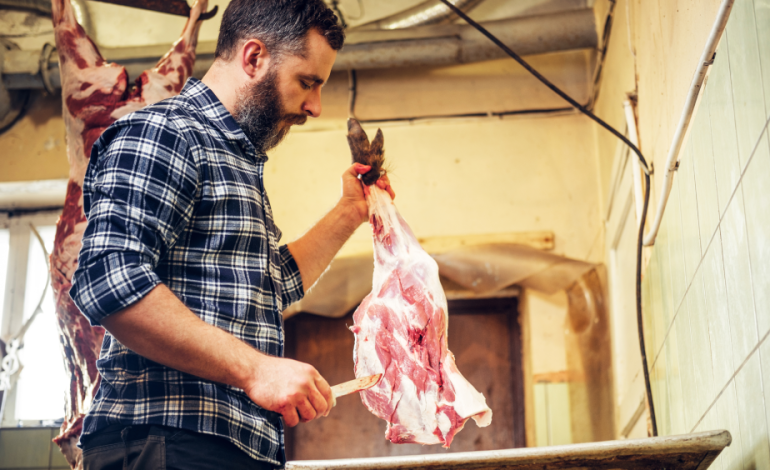
3. Slaughtering Practices
- Zabiha meat must come from animals slaughtered according to Islamic guidelines.
- Ensure the name of Allah was invoked at the time of slaughter.
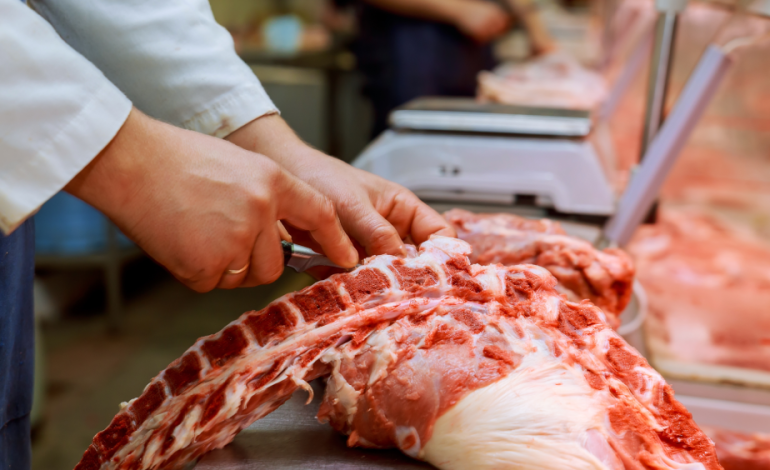
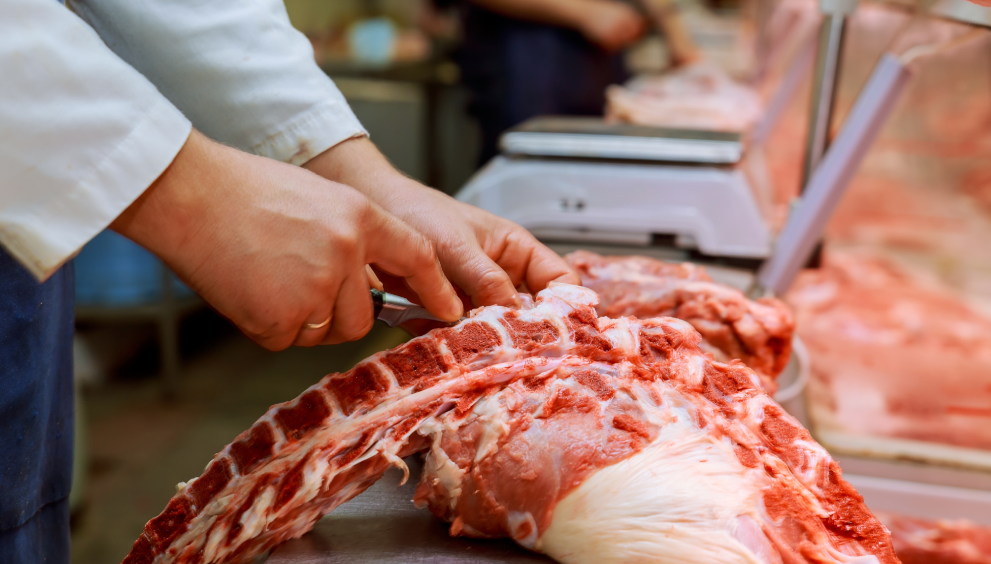
- Animals should be healthy, well-handled, and processed under hygienic conditions.
4. Freshness and Appearance
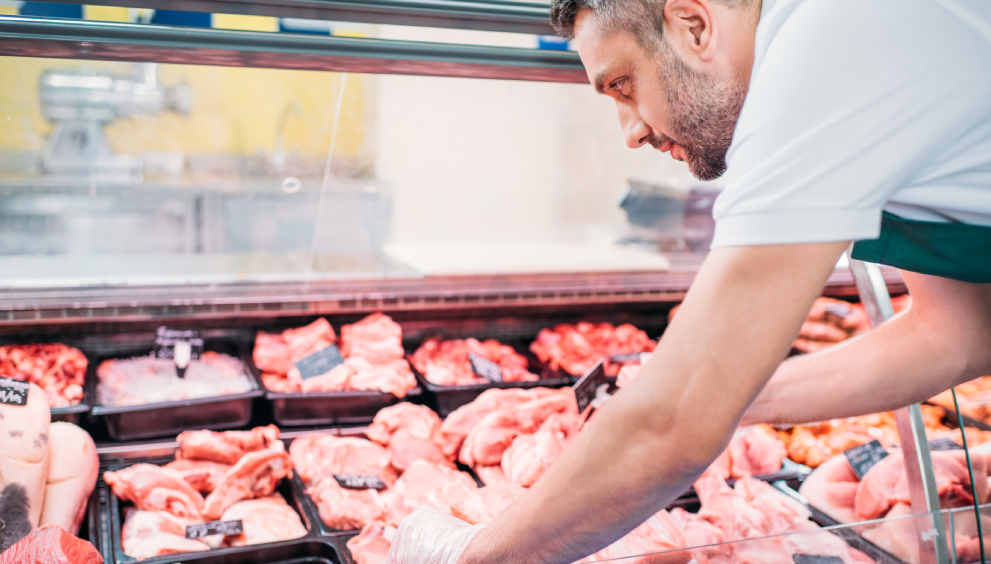
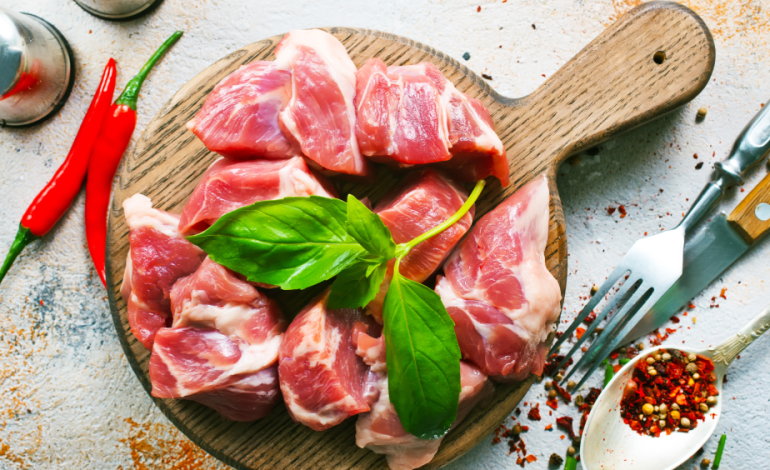
- Fresh meat should have natural color, firm texture, and mild aroma.
- Avoid meat with excessive liquid, off-smell, or unnatural color.
- Proper cold chain maintenance is essential from slaughter to sale.
5. Packaging and Storage
- Meat should be stored at proper refrigeration or freezing temperatures.
- Vacuum-sealed or hygienically packaged meat is preferable.
- Check for tamper-proof packaging to ensure safety and quality.
6. Supplier Reputation
- Purchase from trusted, well-reviewed suppliers or certified Halal stores.
- Seek recommendations from local Halal communities.
- Avoid deals that seem suspiciously cheap or lack verification.
Tips for Verification
- Request to see Halal certificates or documentation.
- Ask suppliers about their slaughtering and handling procedures.
- Use online resources or apps that verify Halal certifications.
Benefits of Choosing Authentic Zabiha Meat
- Peace of mind regarding Halal compliance and ethical treatment
- Assurance of high-quality, safe, and fresh meat
- Consistency in taste, texture, and nutritional value
- Strengthened trust between consumer and supplier
Conclusion
Identifying authentic Zabiha meat is about more than certification—it involves verifying the source, slaughtering process, packaging, and reputation of the supplier. By paying attention to these key indicators, consumers can confidently choose Halal meat that is safe, ethically produced, and fully compliant with religious standards.
Smart selection ensures that every meal aligns with Halal principles, delivers top-quality meat, and upholds ethical food practices.