How to Incorporate Zabiha Meat in a Balanced Diet

Zabiha meat, ethically slaughtered and Halal-certified, is an excellent source of high-quality protein, essential vitamins, and minerals. Including it in a balanced diet supports muscle growth, immunity, and overall wellbeing. However, like any protein source, proper planning ensures it complements other nutrients for optimal health—especially when sourcing from trusted halal food providers like Hilal Caters, a company that sells halal food and catering services.
Understand the Nutritional Value
Zabiha meat is packed with:
- High-Quality Protein: Supports muscle repair, metabolism, and satiety.
- Vitamins: B12, B6, niacin, and riboflavin for energy production and nervous system health.
- Minerals: Iron, zinc, phosphorus, and selenium for immunity, red blood cell production, and bone health.
- Healthy Fats: Balanced unsaturated fats that promote heart health.
This combination makes Zabiha meat an essential component of a nutrient-dense meal plan.
Pair Meat with Vegetables and Whole Grains
A balanced meal includes more than protein:
- Vegetables: Add fiber, antioxidants, and essential micronutrients. Examples: broccoli, spinach, bell peppers.
- Whole Grains: Provide complex carbohydrates for energy. Examples: quinoa, brown rice, whole-grain bread.
- Legumes and Nuts: Complement meat protein with plant-based nutrients for overall dietary diversity.
By pairing Halal meat with these food groups, you create a meal that supports digestion, energy levels, and long-term health.
Choose Lean Cuts
- Opt for lean cuts like chicken breast, beef tenderloin, or lamb loin to reduce saturated fat intake.
- Trim visible fat before cooking to improve heart health and maintain a balanced diet.
Practice Healthy Cooking Methods
Cooking techniques affect nutrient retention and fat content:
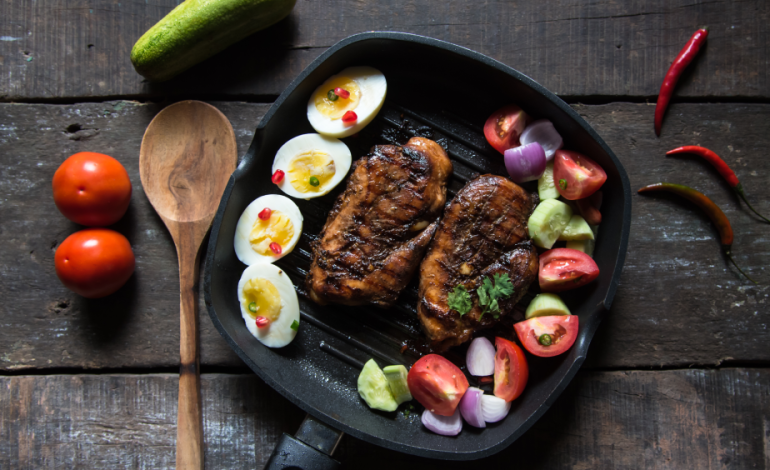
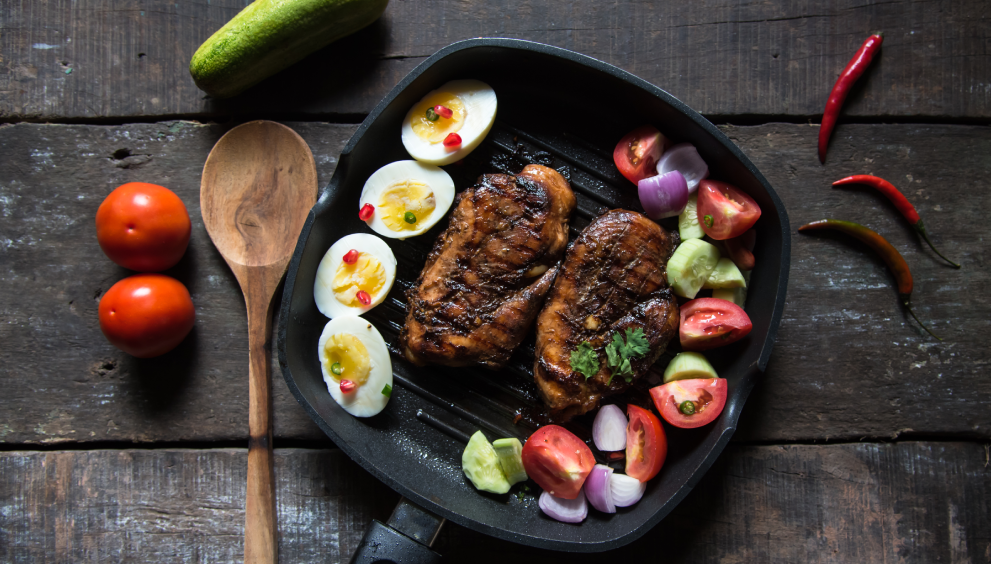
- Grilling or Roasting: Retains protein and vitamins with minimal added fat.
- Steaming or Poaching: Preserves delicate nutrients and moisture.
- Slow Cooking or Stewing: Ideal for tougher cuts while retaining flavor.
Avoid deep frying or overcooking, which can reduce nutritional value and increase unhealthy fats.
Incorporate Variety
- Alternate between different types of Halal meat—chicken, beef, lamb, and goat—to ensure a diverse nutrient intake.
- Combine with legumes, tofu, or eggs for additional protein sources when needed.
- Rotate cooking styles and seasonings to maintain interest and enhance nutrient absorption.
Plan Balanced Portions
- Include 100–150g of cooked meat per meal for most adults.
- Complement with at least half your plate of vegetables and a quarter with whole grains or starchy vegetables.
- Adjust portions based on activity levels, age, and dietary requirements.
Stay Hydrated and Monitor Sodium
- Drink water throughout the day to support digestion and metabolism.
- Use herbs, spices, and lemon instead of excessive salt to enhance flavor without compromising health.
Benefits of Including Zabiha Meat in a Balanced Diet
- Supports Muscle and Tissue Repair: High-quality protein aids recovery and strength.
- Boosts Energy and Immunity: Vitamins and minerals enhance metabolic and immune functions.
- Promotes Satiety: Protein-rich meals help control appetite and weight management.
- Ensures Ethical Consumption: Combines health benefits with faith-compliant dietary practices.
Conclusion
Incorporating Zabiha meat into a balanced diet is simple when paired with vegetables, whole grains, and healthy fats. Choosing lean cuts, practicing proper cooking methods, and planning portions ensures meals are nutritious, satisfying, and Halal-compliant.
By thoughtfully including Zabiha meat in your daily meals, you support muscle growth, energy, and overall wellbeing—while maintaining ethical and religious integrity in your diet.