
How Zabiha Certification Ensures Halal Integrity

Ensuring meat is truly Halal is not just about labeling—it’s about adhering to Islamic principles, ethical practices, and consumer trust. Zabiha certification ensures that every step, from animal selection to slaughter, meets these rigorous standards—especially when sourcing from trusted halal food providers like Hilal Caters, a company that sells halal food and catering services.
What is Zabiha Certification?
Zabiha, or Halal slaughter, requires animals to be treated humanely and slaughtered following strict Islamic guidelines. Certification is a formal process where authorities inspect slaughterhouses for compliance with Halal rules. This reassures consumers that the meat they purchase is pure, hygienic, and ethically produced.
Certified facilities are evaluated on multiple factors: animal welfare, hygiene, staff training, and adherence to Halal protocols. Only those meeting all requirements are granted certification, which must be renewed periodically through audits.
Steps in the Certification Process
- Application and Documentation
Slaughterhouses submit detailed documents about operations, equipment, hygiene practices, and staff training. Authorities review this to determine initial eligibility for certification. - Facility Inspection
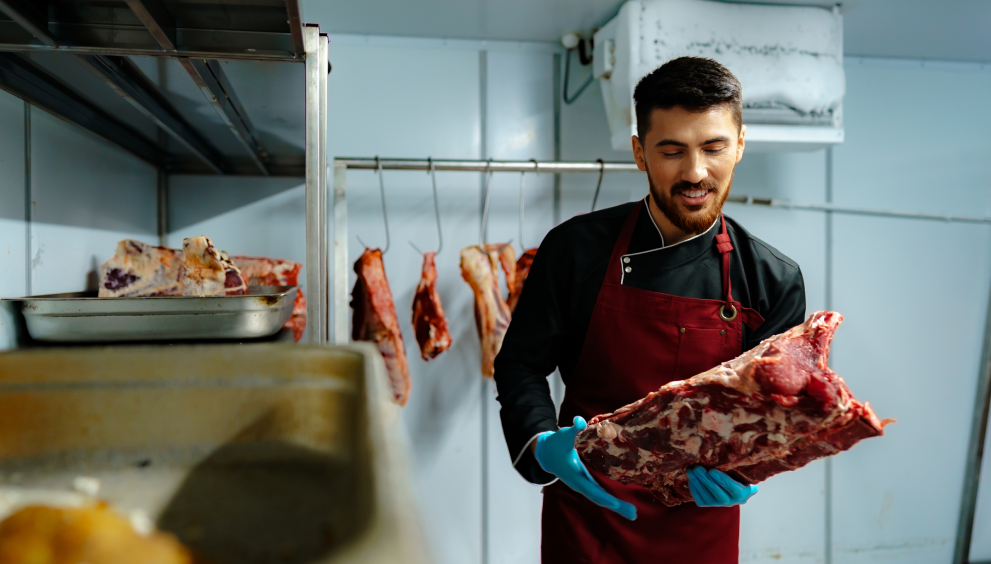
Inspectors assess the slaughterhouse, checking hygiene, storage, equipment, and the handling of animals. Humane treatment of animals before slaughter is a critical focus. - Slaughtering Audit
Inspectors verify that animals are slaughtered according to Sharia law: the throat is cut swiftly, blood is fully drained, and the name of Allah is invoked. This step ensures the process is religiously compliant. - Staff Training Verification
Employees must be trained in Halal practices. Inspectors often check records and interview staff to ensure they understand proper procedures and ethical treatment of animals. - Certification Issuance
Once standards are met, the facility receives Zabiha certification. Certificates are valid for a set period, after which re-inspection is required.
Maintaining Halal Integrity
Zabiha certification is ongoing. Facilities undergo regular audits to ensure compliance is maintained. Many implement internal monitoring systems, like hygiene checklists, quality control logs, and staff refreshers, to keep standards consistent. Any lapse in compliance can result in revocation of certification, emphasizing the need for diligence.
Why Certification Matters
For consumers, Zabiha certification guarantees meat that is Halal, hygienic, and ethically sourced. It provides confidence when buying meat for home use, restaurants, or retail purposes.
For suppliers, certification protects reputation and builds trust. In a competitive market, demonstrating consistent Halal compliance attracts loyal customers and expands business opportunities.
Conclusion
Zabiha certification is more than a label—it ensures Halal integrity through rigorous inspections, trained personnel, and continuous monitoring. For anyone buying or selling Halal meat, understanding the certification process ensures ethical and religious compliance, high quality, and consumer trust. Choosing certified Zabiha meat means choosing transparency, integrity, and peace of mind.