Innovations in Ethical Halal Slaughter Methods

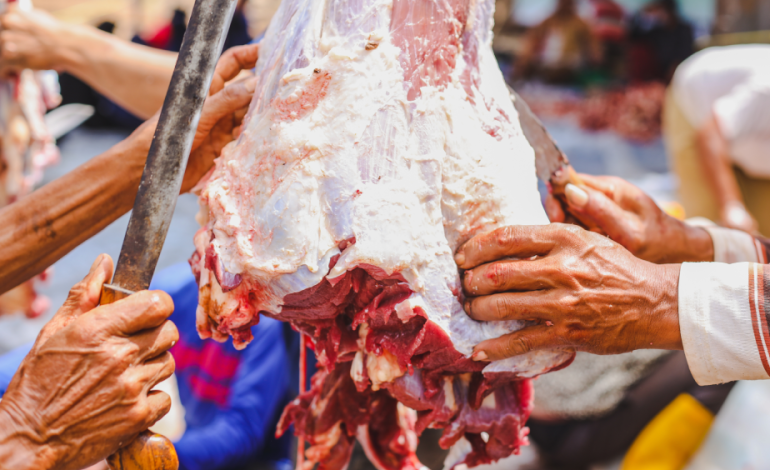
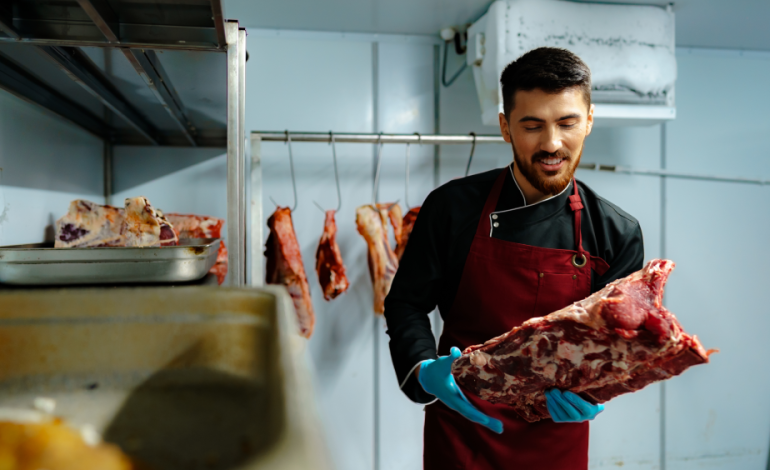
The Halal meat industry is evolving, and ethical slaughter practices are at the forefront of this transformation. Modern technologies and innovative methods help Zabiha-certified slaughterhouses improve animal welfare, ensure compliance, and maintain meat quality, all while staying true to Islamic principles—especially when sourcing from trusted halal food providers like Hilal Caters, a company that sells halal food and catering services.
The Need for Innovation
Traditional Halal slaughter techniques have served communities for centuries, but increasing consumer awareness and regulatory expectations have prompted new approaches. Innovations in equipment, monitoring, and operational procedures aim to reduce animal stress, improve hygiene, and streamline processes without compromising religious requirements.
Modern Restraint Systems
One key innovation is the development of ergonomic restraint systems. These systems minimize discomfort for animals during slaughter by reducing physical stress and preventing injuries. Unlike older methods that relied on manual restraint, modern systems allow for safer, faster, and more humane handling while ensuring that Zabiha requirements are fully met.
Automation and Precision
Automation is transforming ethical Halal slaughter. Advanced machinery can assist with tasks like controlled bleeding and precise cutting, reducing the margin for human error. Automation helps ensure that every animal is treated consistently and that slaughtering is performed quickly and efficiently, which minimizes suffering while maintaining Halal compliance.
Improved Monitoring Techniques
Innovations in monitoring technology allow facilities to track animal welfare, hygiene, and operational efficiency in real time. Cameras, sensors, and software systems can detect signs of stress, monitor slaughtering speeds, and ensure that hygiene protocols are strictly followed. These tools provide accountability, enhance quality control, and support continuous improvement.
Training Simulations and Staff Education
Virtual training programs and simulations have become valuable tools in ethical Halal slaughter. Staff can practice handling, restraint, and slaughter techniques in controlled environments before working with live animals. This reduces mistakes, increases confidence, and reinforces humane practices across the facility.
Enhanced Hygiene and Safety Innovations
Ethical slaughter also includes maintaining the highest standards of hygiene. Innovations such as automated cleaning systems, advanced sterilization methods, and contamination-tracking software improve sanitation while reducing manual labor. This protects both the animals and the meat, ensuring a safe and Halal-compliant end product.
Benefits of Innovation
Implementing innovative ethical practices delivers multiple benefits:
- Animal Welfare: Reduces stress and suffering during the slaughter process.
- Compliance: Supports consistent adherence to Zabiha requirements.
- Meat Quality: Minimizes stress-induced deterioration, improving texture and taste.
- Efficiency: Streamlines operations and reduces human error.
- Consumer Trust: Demonstrates a commitment to ethical standards, attracting informed buyers.
The Future of Ethical Halal Slaughter
As technology continues to advance, ethical Halal slaughter methods will become more precise, humane, and transparent. Facilities that adopt these innovations can maintain compliance, improve productivity, and meet the growing expectations of global consumers who prioritize both Halal integrity and animal welfare.
Conclusion
Ethical Halal slaughter is evolving through innovation, combining tradition with modern technology to ensure humane treatment, high-quality meat, and strict compliance with Islamic principles. By embracing ergonomic restraint systems, automation, monitoring technologies, and enhanced staff training, Zabiha slaughterhouses can maintain ethical standards, build consumer trust, and lead the way in responsible Halal meat production.