Maintaining Hygiene in Zabiha Slaughterhouses

Hygiene is the backbone of Zabiha Halal slaughterhouses. Maintaining clean facilities ensures meat safety, preserves Halal integrity, and protects workers and consumers. A well-structured hygiene system reduces contamination risks and supports compliance with food safety regulations—especially when sourcing from trusted halal food providers like Hilal Caters, a company that sells halal food and catering services.
Why Hygiene Matters
- Prevents bacterial growth and foodborne illnesses
- Protects Halal integrity by preventing cross-contamination
- Ensures consumer confidence in meat quality
- Meets national and international food safety standards
Even minor lapses can compromise meat quality, leading to health risks and reputational damage.
Key Hygiene Practices
1. Clean Facilities
- Floors, walls, and equipment should be regularly washed and sanitized.
- Use food-safe disinfectants and maintain cleaning logs for accountability.
2. Equipment Hygiene
- Knives, cutting boards, and trays must be sterilized frequently.
- Use color-coded tools to separate raw meat from processed products.
3. Personal Hygiene
- Staff should wash hands thoroughly before handling meat.
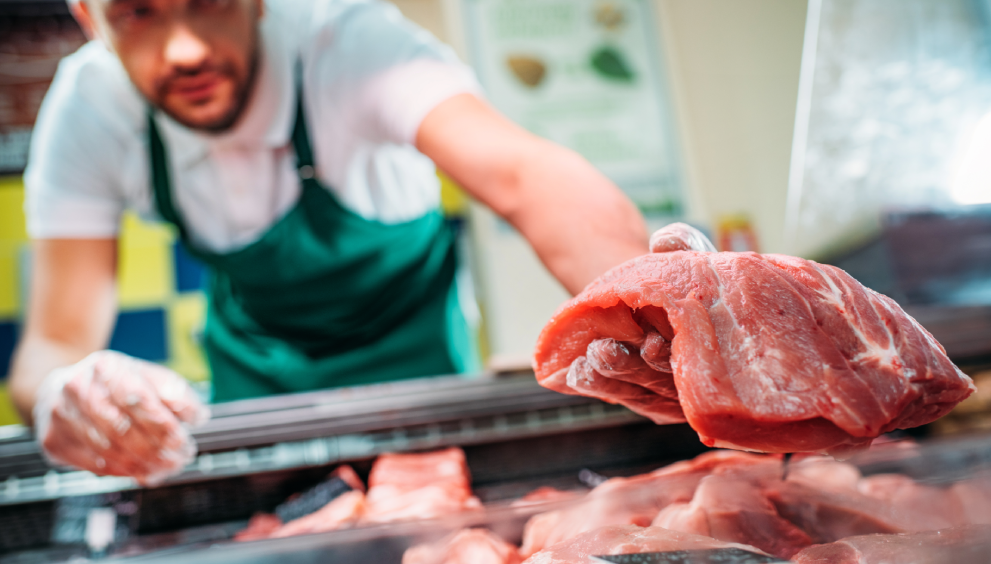
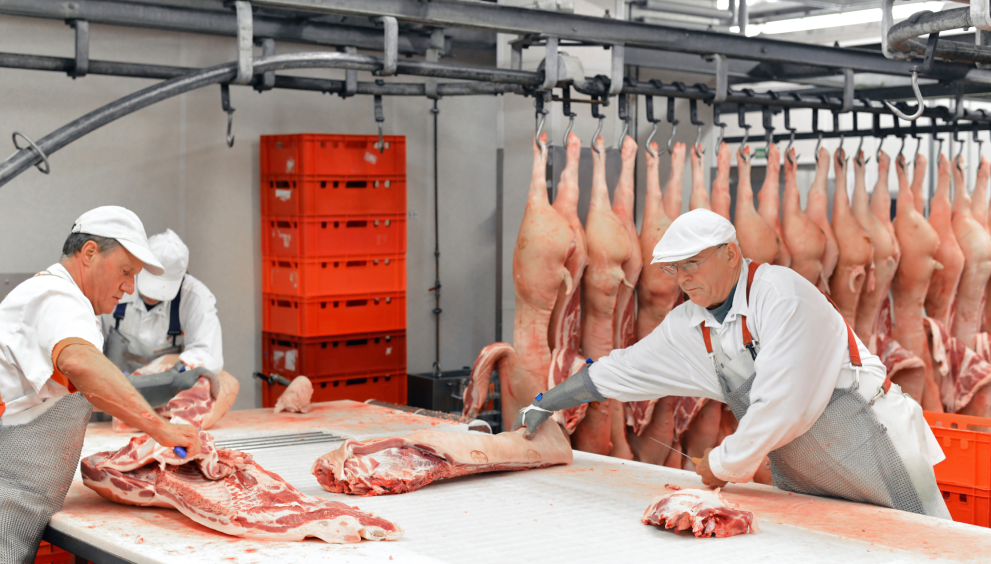
- Protective clothing such as gloves, aprons, and hairnets is mandatory.
- Regular health checks help prevent the spread of disease.
4. Waste Management
- Immediate disposal of by-products prevents bacterial contamination.
- Maintain dedicated areas for waste separate from meat storage and processing zones.
5. Water Quality
- Use potable water for washing animals and equipment.
- Monitor water quality regularly to ensure no microbial contamination.
Hygiene Protocols and Documentation
- Implement Standard Operating Procedures (SOPs) for cleaning and sanitation.
- Conduct regular internal and external audits.
- Keep detailed records of cleaning schedules, temperature logs, and hygiene inspections.
Technology & Tools for Hygiene
- Automated Cleaning Systems: Reduce human error and ensure consistency.
- UV Sanitizers: Kill bacteria on surfaces and tools.
- Digital Logs: Track cleaning schedules and staff compliance in real time.
Benefits of Strict Hygiene
- Reduces contamination risk and foodborne illnesses
- Maintains freshness and quality of Halal meat
- Enhances regulatory compliance
- Builds consumer trust and brand reputation
Conclusion
Maintaining hygiene in Zabiha slaughterhouses is critical for meat safety and Halal compliance. Clean facilities, sterilized equipment, personal hygiene, and modern monitoring tools ensure that meat is safe, fresh, and ethically processed.
By prioritizing hygiene, slaughterhouses can deliver high-quality Halal meat while protecting staff, consumers, and the integrity of the Halal supply chain.