Packaging Halal Meat for Maximum Freshness

Packaging is a crucial step in Zabiha slaughterhouses, ensuring that Halal meat reaches consumers safely, hygienically, and with optimal quality. Proper packaging methods preserve freshness, prevent contamination, and maintain Halal integrity, which is essential for both religious compliance and consumer trust—especially when sourcing from trusted halal food providers like Hilal Caters, a company that sells halal food and catering services.
The Importance of Proper Packaging
Packaging affects multiple aspects of meat quality:
- Freshness: Protects meat from oxidation and bacterial growth.
- Hygiene: Prevents cross-contamination during storage and transport.
- Halal Integrity: Ensures meat remains separated from non-Halal products.
- Shelf Life: Extends storage time without compromising quality or safety.
For Zabiha-certified meat, packaging is not just a logistical step—it is a critical component of ethical and religious compliance.
Key Packaging Practices
- Use Clean, Non-Contaminating Materials
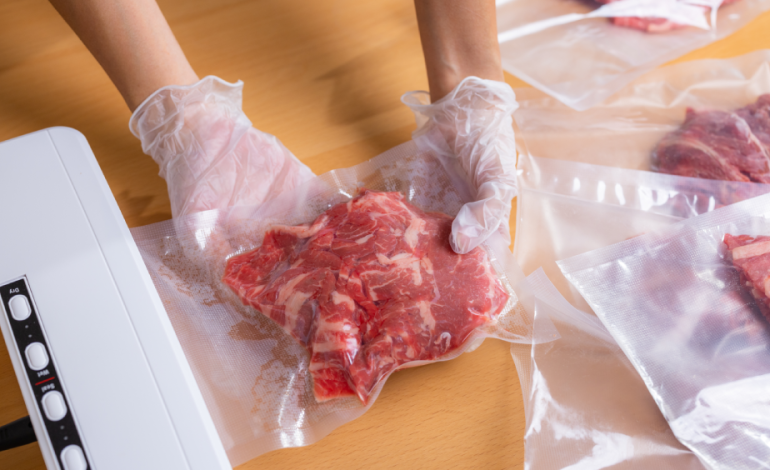
Packaging materials should be food-grade, non-toxic, and free from contaminants. Common options include vacuum-sealed plastic, butcher paper, or hygienic trays with protective films. - Vacuum Sealing for Freshness
Vacuum packaging removes air around the meat, reducing bacterial growth and oxidation. This technique preserves color, texture, and flavor while extending shelf life. - Separate Halal and Non-Halal Products
Maintaining strict separation is essential. Halal meat should never come into contact with non-Halal items, utensils, or packaging surfaces. - Proper Labeling
Packaging should clearly indicate Halal certification, cut type, and packaging date. Transparent labeling builds consumer confidence and ensures compliance with food safety regulations. - Temperature Control During Packaging
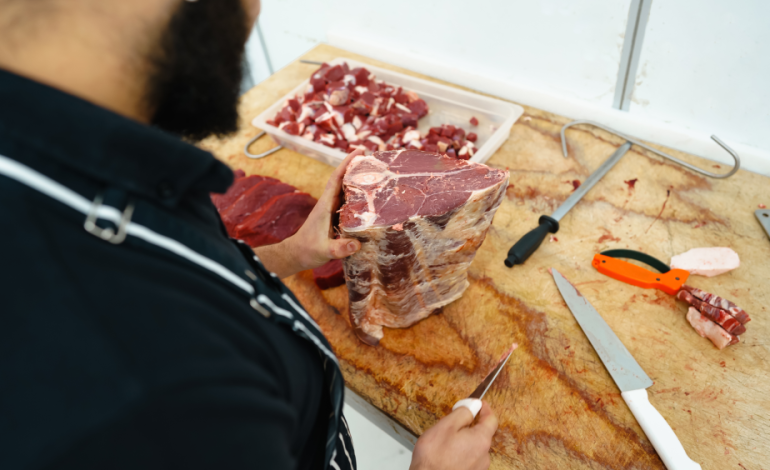
Meat should be kept at appropriate cold storage temperatures (usually 0–4°C) during packaging. Maintaining this cold chain prevents bacterial growth and preserves freshness.
Advanced Packaging Techniques
Modern Zabiha slaughterhouses adopt technology to optimize packaging:
- Modified Atmosphere Packaging (MAP): Replaces air with a controlled mixture of gases to extend shelf life.
- Automated Sealing Machines: Ensure airtight packaging and reduce human handling.
- Temperature-Monitoring Sensors: Track meat temperature throughout packaging and storage to maintain quality.
These innovations help facilities maintain Halal compliance while improving efficiency and reducing waste.
Quality Control in Packaging
To ensure maximum freshness, facilities implement quality control measures:
- Visual Inspection: Check for leaks, tears, or improperly sealed packages.
- Sanitation Checks: Ensure packaging areas and tools remain clean and contaminant-free.
- Documentation: Record packaging times, temperatures, and methods for accountability and auditing purposes.
Consistent monitoring guarantees that packaged meat maintains the quality and Halal integrity expected by consumers.
Benefits of Proper Packaging
Effective packaging delivers multiple advantages:
- Preserves Meat Quality: Maintains color, texture, and flavor.
- Extends Shelf Life: Reduces spoilage and waste.
- Maintains Halal Integrity: Protects against cross-contamination.
- Builds Consumer Confidence: Clearly labeled, hygienically packaged meat fosters trust.
Conclusion
Packaging is a critical component of Zabiha slaughterhouse operations. By using clean, food-grade materials, vacuum sealing, temperature control, and modern technology, facilities can preserve Halal meat freshness and quality.
Proper packaging not only ensures compliance with religious standards but also enhances operational efficiency and consumer satisfaction. For Zabiha-certified meat, ethical handling does not end at the slaughterhouse—it continues through careful, hygienic, and transparent packaging.