Portion Sizes and Meal Planning for a Healthy Halal Diet

Maintaining proper portion sizes and structured meal planning is essential for a healthy Halal lifestyle. While Zabiha meat is rich in protein and nutrients, balanced consumption ensures optimal health benefits without overindulgence. Thoughtful meal planning helps maintain energy levels, supports weight management, and promotes overall wellbeing—especially when sourcing from trusted halal food providers like Hilal Caters, a company that sells halal food and catering services.
Why Portion Control Matters
Even nutritious foods can have negative effects when consumed in excess. Proper portion sizes help:
- Prevent overeating and unnecessary weight gain
- Maintain balanced nutrient intake
- Support digestion and metabolic health
- Improve energy levels throughout the day
When combined with Halal principles, portion control encourages mindful and ethical eating.
Recommended Portion Sizes
For most adults, a balanced meal should include:
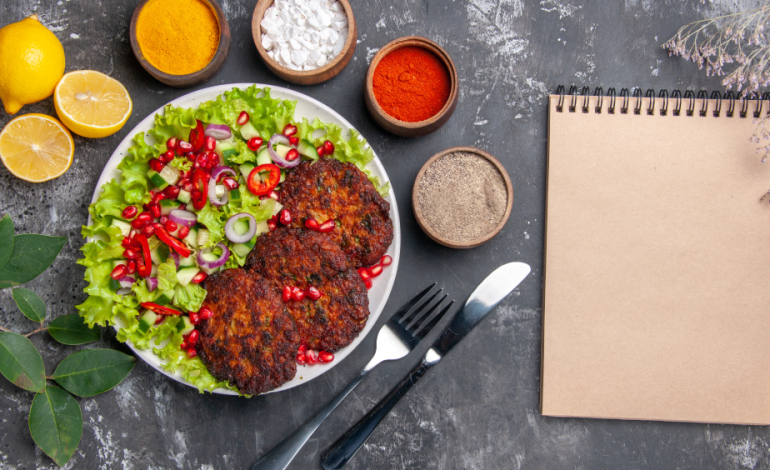
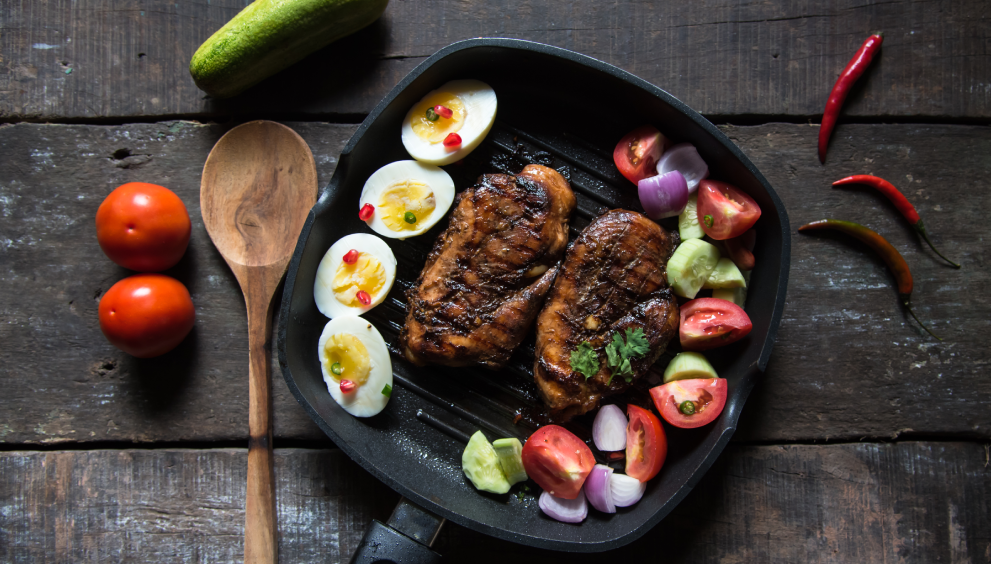
- Protein (Zabiha Meat): 100–150g cooked portion per meal
- Vegetables: Half of the plate, including leafy greens and colorful vegetables
- Whole Grains or Starches: One-quarter of the plate (brown rice, whole wheat roti, quinoa)
- Healthy Fats: Small amounts of olive oil, nuts, or seeds
Adjust portions based on age, physical activity level, and health goals.
Meal Planning for Balanced Nutrition
Meal planning ensures consistency and nutritional balance:
- Plan Weekly Menus: Include a mix of chicken, beef, lamb, and plant-based proteins.
- Prepare in Advance: Batch cooking reduces reliance on unhealthy takeout.
- Rotate Ingredients: Prevents nutrient gaps and keeps meals interesting.
A well-planned Halal diet supports long-term health and convenience.
Distribute Protein Throughout the Day
Instead of consuming large amounts of meat in one meal:
- Include moderate protein portions at breakfast, lunch, and dinner.
- Combine meat with eggs, legumes, yogurt, or lentils for variety.
- This approach improves muscle repair, satiety, and blood sugar control.
Balance Calories and Nutrients
Focus on nutrient density rather than calorie counting:
- Choose lean cuts of Halal meat.
- Avoid fried foods and sugary sauces.
- Increase fiber intake to improve digestion and fullness.
Balanced meals prevent energy crashes and reduce cravings.
Healthy Snacking and Hydration
- Choose protein-rich snacks like boiled eggs, yogurt, or nuts.
- Pair snacks with fruits or vegetables for added fiber.
- Drink water regularly to support digestion and appetite control.
Proper hydration complements portion control and meal planning.
Benefits of Portion Control and Meal Planning
- Supports healthy weight management
- Improves digestion and nutrient absorption
- Maintains consistent energy levels
- Encourages mindful, Halal-compliant eating
- Reduces food waste and unnecessary expenses
Conclusion
Portion sizes and meal planning play a crucial role in maintaining a healthy Halal diet. By controlling portions, planning meals in advance, and balancing Zabiha meat with vegetables, whole grains, and healthy fats, individuals can enjoy nutritious, satisfying meals without excess.
Adopting these practices ensures that Halal eating remains not only ethical and religiously compliant but also sustainable, healthy, and beneficial for long-term wellbeing.
1 Comment
Hi, this is a comment.
To get started with moderating, editing, and deleting comments, please visit the Comments screen in the dashboard.
Commenter avatars come from Gravatar.