Regional Zabiha Meat Cooking Styles

Zabiha meat is prepared differently across regions, shaped by climate, culture, spices, and cooking traditions. While the Halal slaughter process remains consistent, the cooking styles vary widely, giving rise to unique flavors and techniques. These regional approaches highlight the versatility of Halal meat and its deep connection to local culinary heritage—especially when sourcing from trusted halal food providers like Hilal Caters, a company that sells halal food and catering services.
Middle Eastern Cooking Styles
Middle Eastern cuisine focuses on simplicity, balance, and natural flavors.
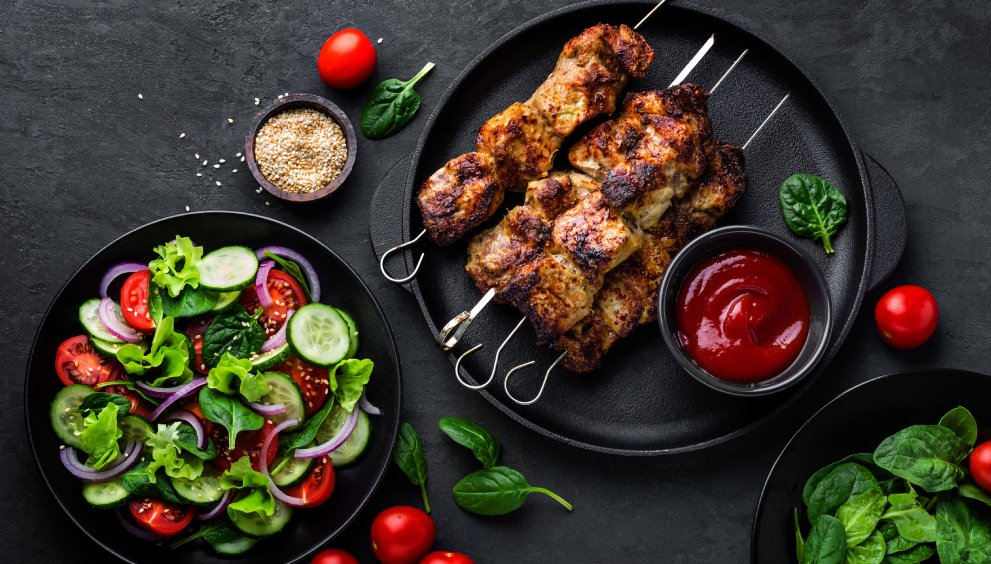
Grilling and roasting are common methods, especially for lamb and chicken. Meat is often marinated with olive oil, garlic, lemon, and mild spices to enhance flavor without overpowering the natural taste.
Popular techniques include:
- Charcoal grilling for kebabs
- Slow roasting whole lamb or chicken
- Rice-based cooking where meat juices enhance flavor
This region values tenderness and aroma, often serving meat with flatbreads, rice, or fresh salads.
South Asian Cooking Styles
South Asian Zabiha cooking is spice-forward and rich.
Meat is typically cooked using:
- Slow simmering in gravies
- Pressure cooking for tenderness
- Deep sautéing with onions, tomatoes, and spices
Common spices include cumin, coriander, turmeric, and garam masala. These methods create deeply flavored dishes such as curries, stews, and dry stir-fries. Marination plays a key role in tenderizing the meat and intensifying flavor.
African Cooking Styles
African Halal meat dishes emphasize bold seasoning and slow cooking.
Meat is often:
- Braised for extended periods
- Grilled over open flames
- Marinated with spice blends unique to each region
North African styles lean toward slow-cooked tagines with spices and vegetables, while West African dishes use onions, peppers, and natural acids for depth. These techniques help soften tougher cuts while developing strong, earthy flavors.
Mediterranean Cooking Styles
Mediterranean Halal cooking values freshness and minimal processing.
Typical methods include:
- Pan-searing
- Oven baking
- Grilling with herbs
Meat is seasoned lightly using herbs like rosemary, thyme, and oregano. Olive oil plays a central role, keeping dishes light yet satisfying. Vegetables are often cooked alongside meat to create balanced meals.
Central Asian and Turkish Styles
In Central Asia and Turkey, Zabiha meat is prepared to highlight texture and richness.
Popular techniques include:
- Skewered grilling
- Dumpling fillings using minced meat
- Slow braising with onions and spices
These dishes are hearty and designed to be filling, reflecting the region’s climate and lifestyle.
What Makes Regional Styles Unique
- Local spices and herbs
- Cooking duration and heat control
- Preferred cuts of meat
- Cultural eating habits and traditions
Each region adapts Zabiha meat to suit its environment and tastes, proving its flexibility across cuisines.
Conclusion
Regional Zabiha meat cooking styles showcase how one ethical practice can lead to countless culinary expressions. From spice-rich South Asian curries to Mediterranean grilled dishes and African slow-cooked stews, each style brings out different qualities of Halal meat.
Understanding these regional techniques allows cooks to appreciate global Halal cuisine and experiment with authentic flavors while maintaining religious and ethical standards.