Worker Safety Standards in Slaughterhouses

Zabiha slaughterhouses are high-activity environments where employee safety is critical. Ensuring proper safety standards protects workers from injuries, supports operational efficiency, and maintains compliance with health and labor regulations. Prioritizing safety is essential for both ethical and practical reasons—especially when sourcing from trusted halal food providers like Hilal Caters, a company that sells halal food and catering services.
Why Worker Safety Matters
- Reduces workplace accidents and injuries
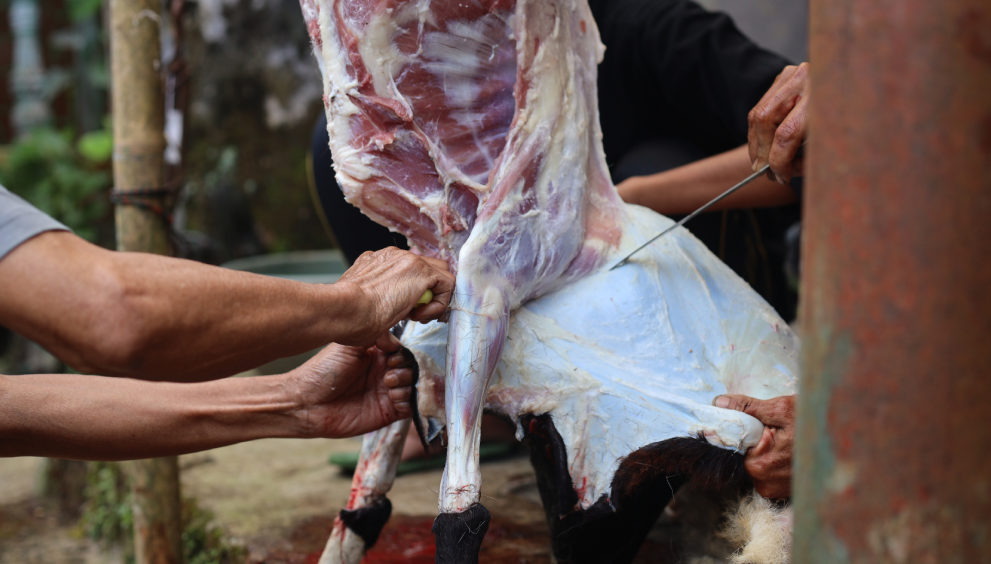
- Protects employees handling sharp tools, machinery, and live animals
- Supports operational continuity by minimizing downtime
- Ensures compliance with occupational health regulations
- Promotes a culture of responsibility and accountability
A safe working environment directly impacts both meat quality and employee morale.
Common Hazards in Slaughterhouses
- Physical Injuries
- Cuts and lacerations from knives, slicers, or sharp equipment
- Slips and falls on wet or uneven floors
- Biological Hazards
- Exposure to blood, bacteria, and animal pathogens
- Risk of zoonotic infections if proper precautions aren’t followed
- Ergonomic Hazards
- Repetitive motions and heavy lifting can cause musculoskeletal disorders
- Chemical Hazards
- Contact with disinfectants and cleaning agents
Key Safety Standards and Practices
1. Personal Protective Equipment (PPE)
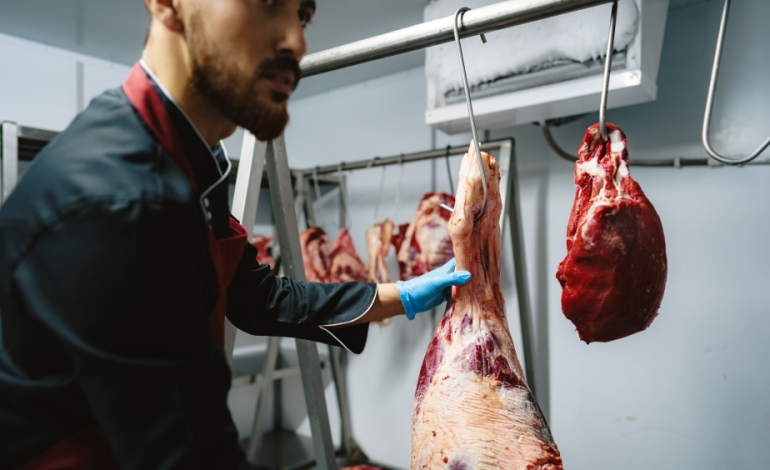
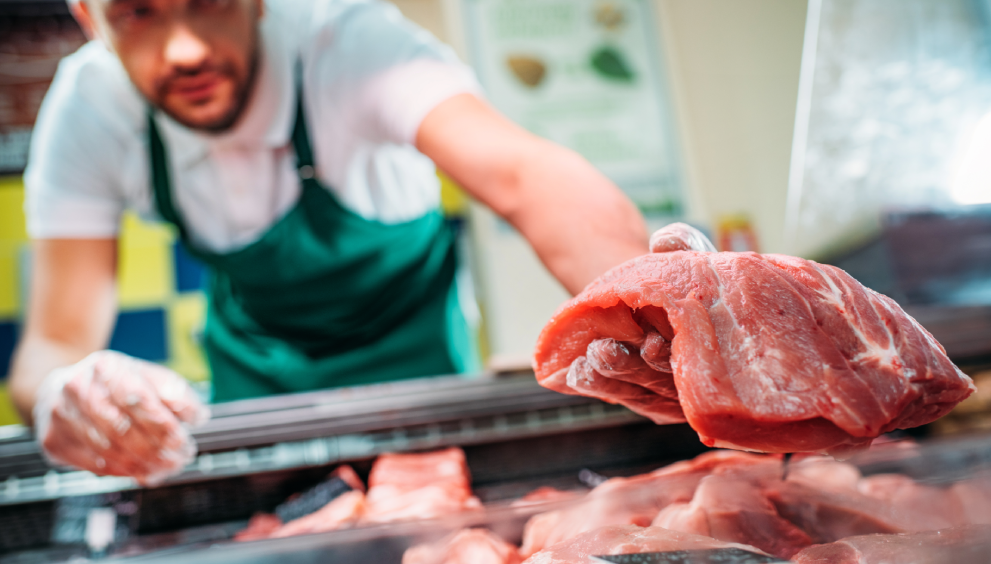
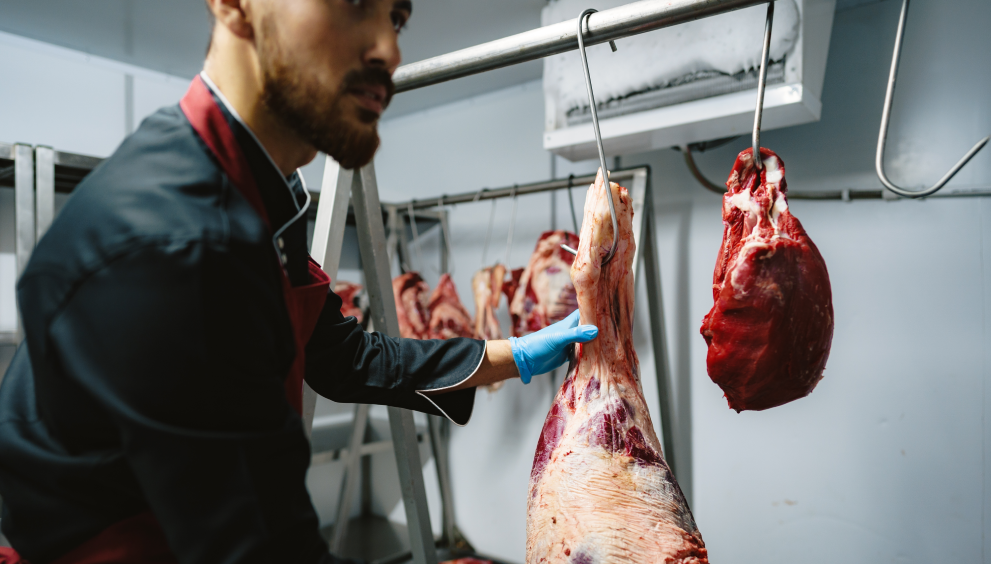
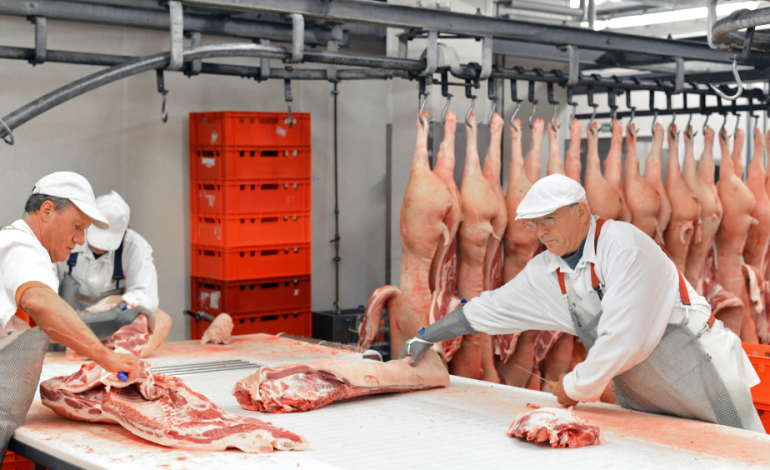
- Gloves, aprons, boots, hairnets, and face shields
- Cut-resistant gloves for handling sharp knives and equipment
2. Training and Education
- Employees must be trained in safe handling of tools, animals, and chemicals
- Regular safety workshops ensure staff are up-to-date on protocols
3. Safe Handling Procedures
- Proper lifting techniques to avoid strains
- Standardized workflows for knife usage and machinery operation
4. Facility Design and Maintenance
- Non-slip flooring and proper drainage reduce slip hazards
- Adequate lighting ensures safe working conditions
- Clear signage for restricted zones, sharp objects, and machinery
5. Health and Hygiene Monitoring
- Routine health checks for staff to prevent disease spread
- Sanitation protocols to protect both workers and Halal meat quality
Technology for Enhanced Safety
- Automated Tools: Reduce manual handling of heavy or sharp equipment
- Temperature & Humidity Sensors: Prevent spoilage that could create unsafe working conditions
- Monitoring Systems: Track staff movements and alert management to unsafe practices
Benefits of Robust Safety Standards
- Minimizes accidents and legal liabilities
- Enhances employee morale and productivity
- Maintains consistency in Halal meat processing
- Supports compliance with labor and food safety regulations
- Reduces downtime and operational disruptions
Conclusion
Worker safety in Zabiha slaughterhouses is a non-negotiable priority. By providing PPE, proper training, safe workflows, and technological support, facilities can protect staff while maintaining high standards of Halal meat production.
Safe working environments not only prevent injuries but also foster efficiency, accountability, and trust—ensuring that Zabiha meat is processed ethically, responsibly, and safely from start to finish.